Sunlight through the greenhouse glass always made me feel like I was standing inside a painting—vibrant, alive, and full of possibilities. My childhood was spent with my hands in the dirt, learning that plants don’t just grow; they *teach* you patience, resilience, and the quiet joy of watching something flourish from almost nothing. This site exists to share those lessons, whether you're a first-time gardener or someone who just wants to coax a little more life out of your backyard.
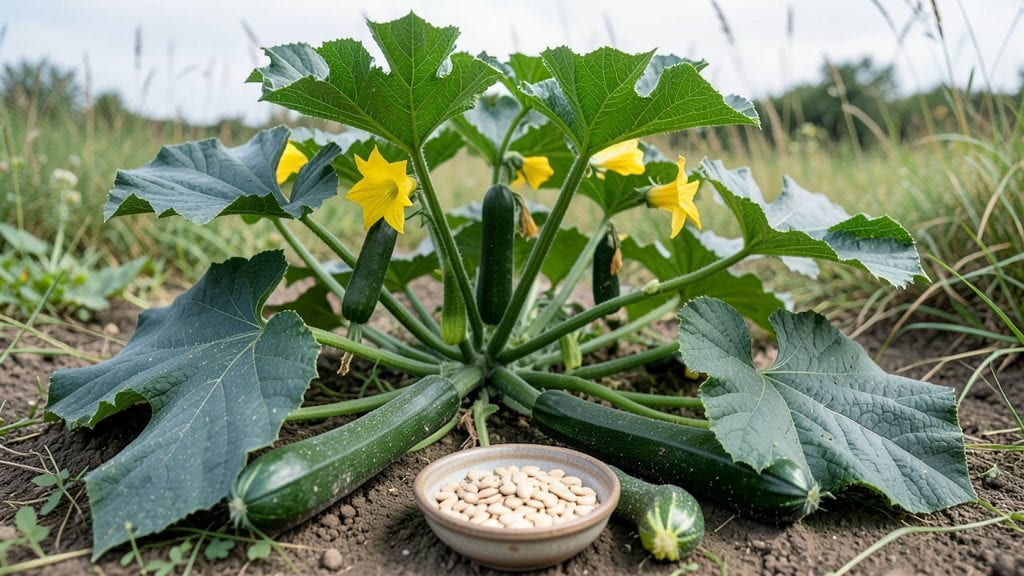
💥 Quick Answer Chickens can safely eat zucchini seeds in moderation, as they provide fiber and nutrients, but avoid feeding large quantities due to potential digestive upset or choking hazards from whole seeds. Zucchini…
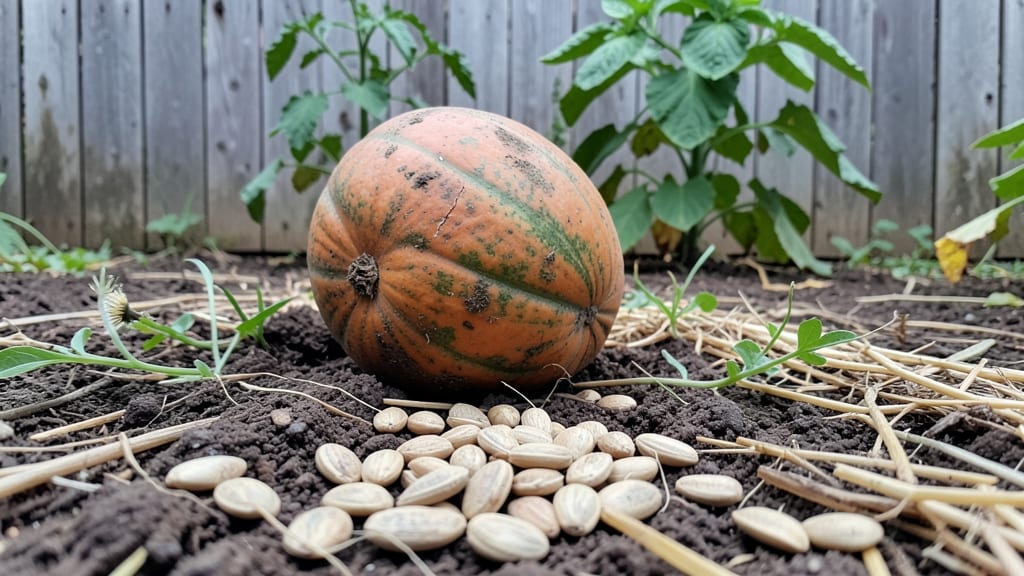
Can chickens have raw pumpkin seeds safely only if you first remove the outer shell and seeds—raw seeds contain cucurbitacin, a toxin that can cause digestive distress or neurological issues in poultry. Offer shelled…
💥 Quick Answer Can dogs eat bell pepper seeds? Yes, in very small amounts—but only from fresh, non-spoiled peppers, as large quantities or hot varieties can cause mild toxicity from solanine and capsaicin. Always remove…
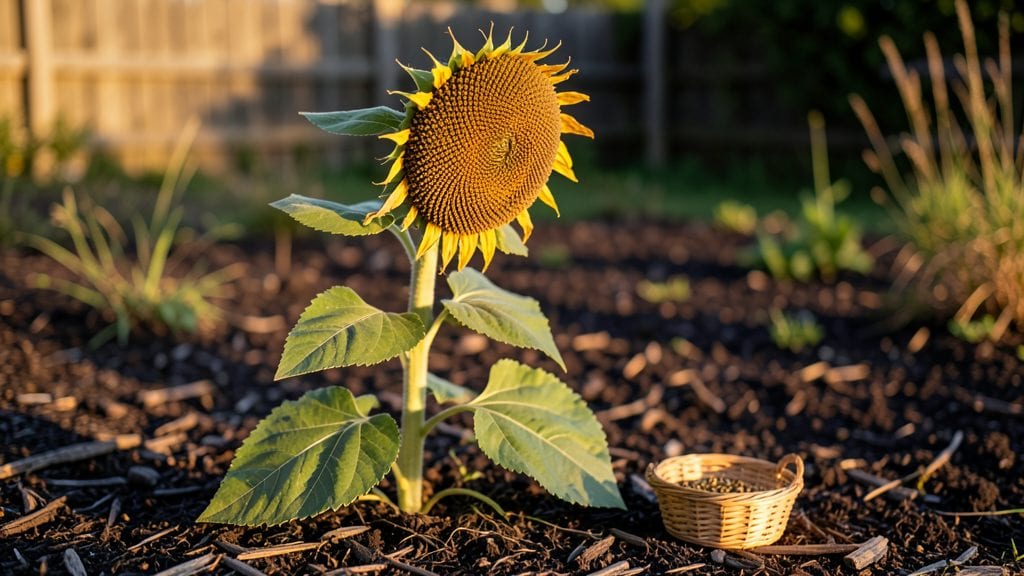
💥 Quick Answer Finches can eat sunflower seeds, but only in moderation and with caution—opt for unsalted, unflavored seeds, preferably shelled to avoid choking hazards, and avoid black oil sunflower seeds due to their…
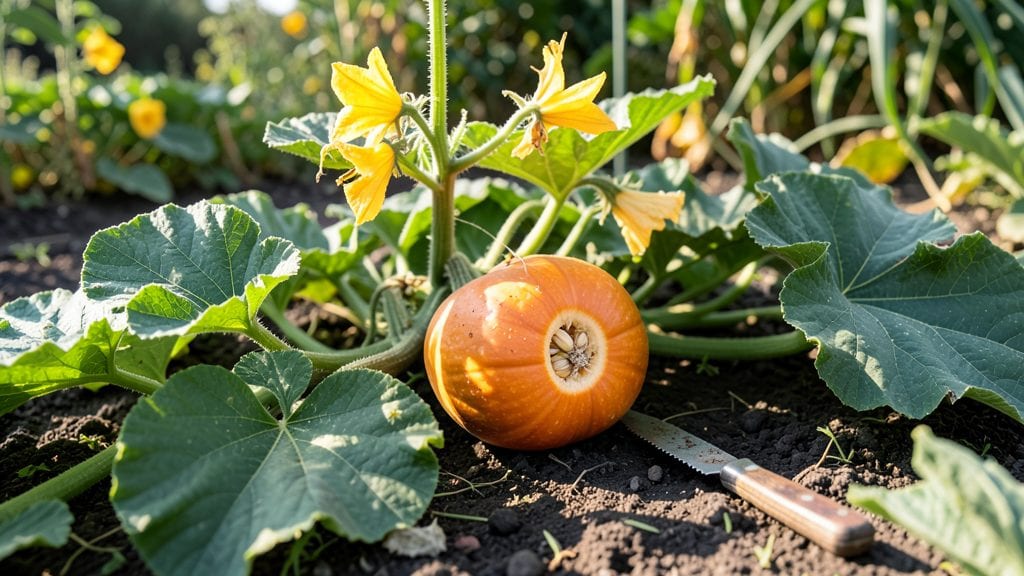
💥 Quick Answer You can eat pumpkin seeds while pregnant in moderation, as they provide magnesium, zinc, and healthy fats, but raw or undercooked seeds carry risks like salmonella. Opt for roasted or properly cooked…
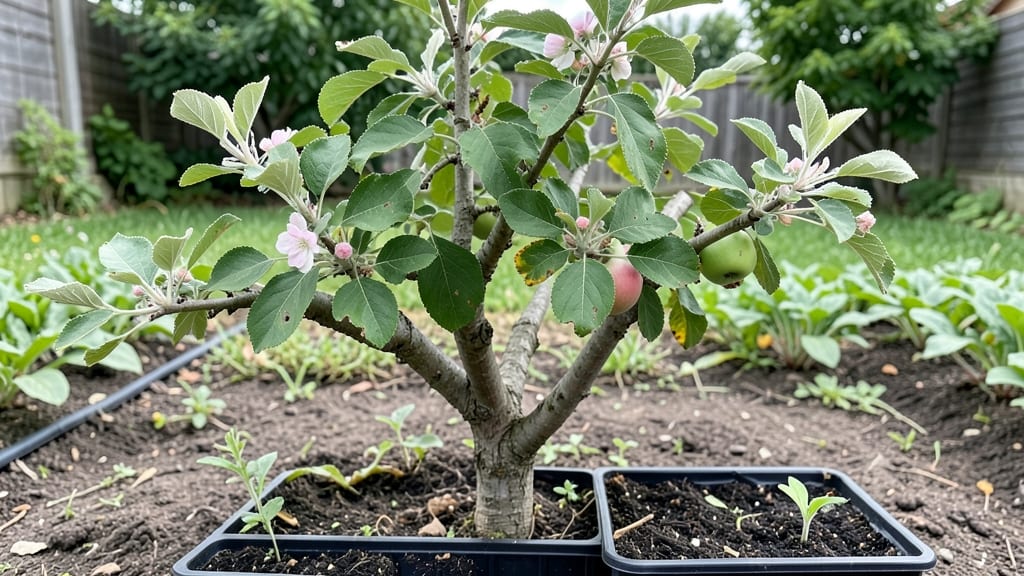
💥 Quick Answer You can plant an apple seed to grow a tree, but the resulting fruit won't match the parent apple—seeds produce unpredictable offspring due to genetic variation from cross-pollination. Fruit production may…
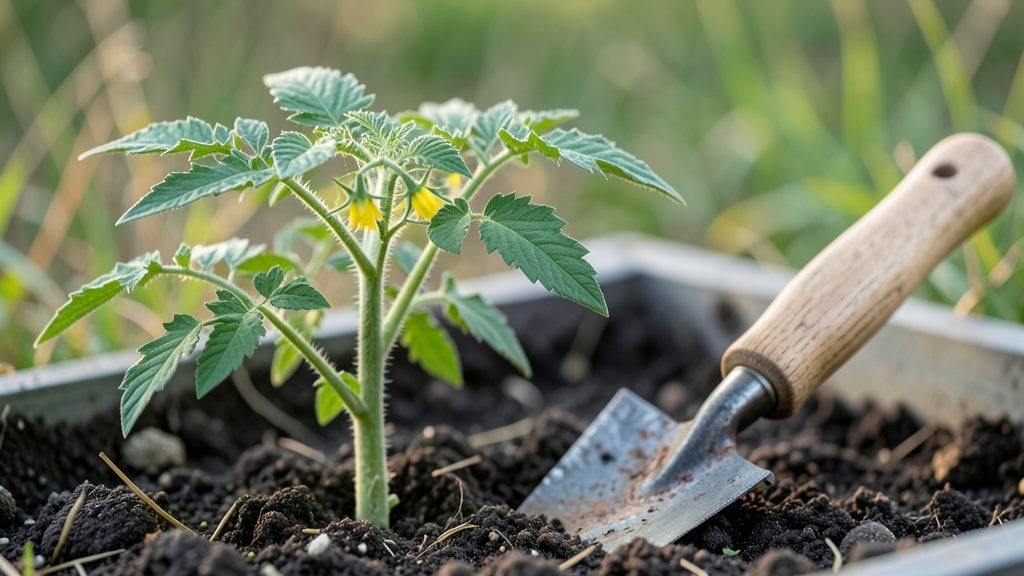
💥 Quick Answer You can plant tomato seeds directly in the ground, but your success hinges on warm soil, frost-free conditions, and protecting young sprouts. Time it after your last frost date when soil hits 60°F+ , and…
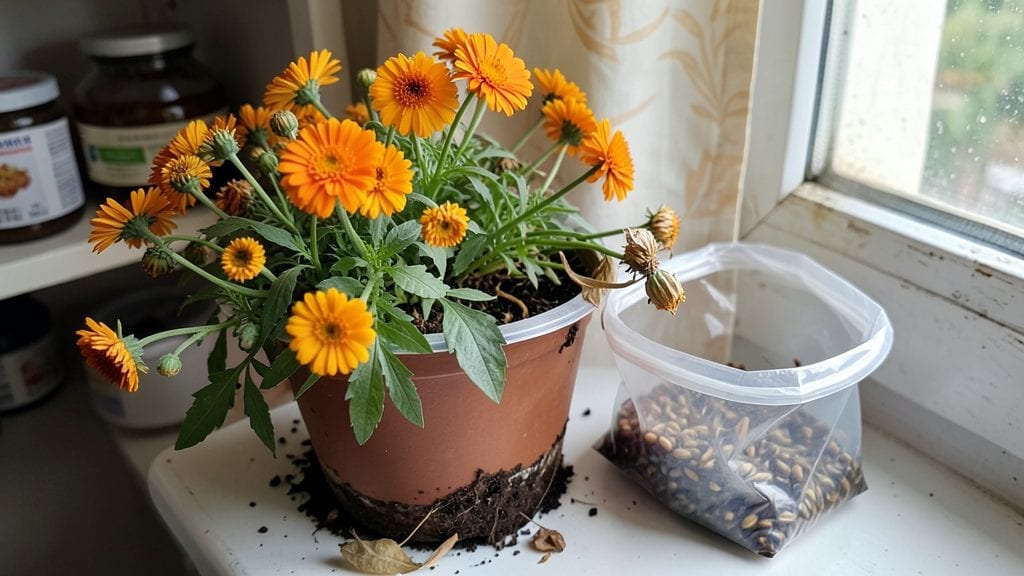
💥 Quick Answer Yes, you can freeze seeds to extend their shelf life for years, but success depends on controlling moisture levels, using the right packaging, and maintaining consistent cold temperatures to avoid mold or…
💥 Quick Answer Yes, seeds can reproduce naturally by sprouting into plants that flower, fruit, or produce cones, then releasing new seeds without human help. Most rely on wind, water, animals, or self-pollination to…
💥 Quick Answer You can broadcast sunflower seeds for large-scale plantings, but success depends on planting them 1/2 to 1 inch deep and spacing them 6 to 12 inches apart—thinning seedlings later prevents overcrowding…