Propagation
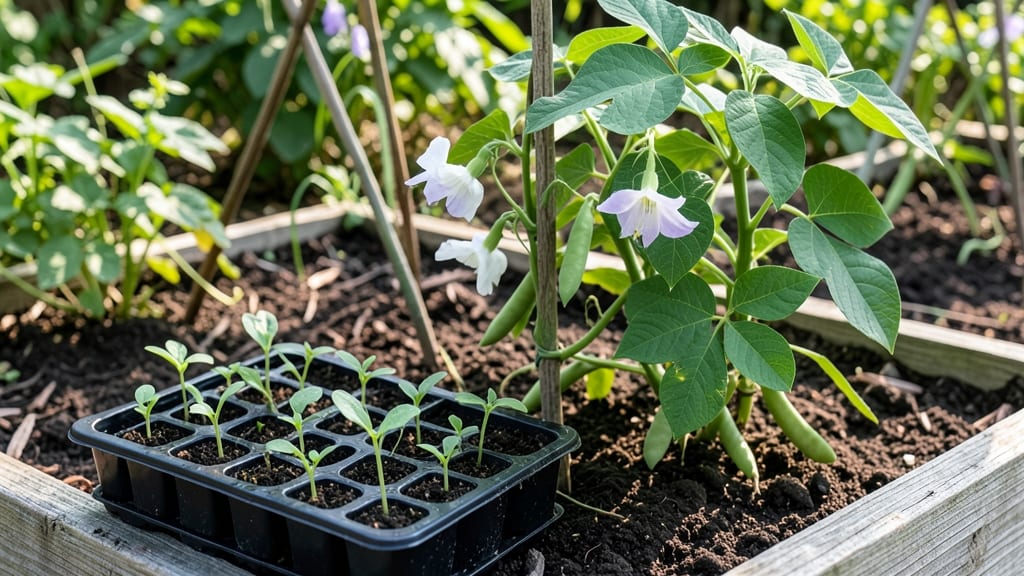
Yes, seeds can reproduce naturally by sprouting into plants that flower, fruit, or produce cones, then releasing new seeds without human help. Most rely on wind, water, animals, or self-pollination to spread their offspring.
Nature has perfected seed reproduction through a cycle of growth and dispersal that requires no human effort. 🌱 Once a seed lands in fertile soil, it absorbs moisture and swells, breaking its protective shell to send down roots while pushing a sprout upward.
This germination phase is the first step toward creating the next generation of plants—whether it's a towering oak or a delicate wildflower.
What's fascinating is how plants evolved such diverse strategies for spreading their seeds. Some hitch rides on animal fur or get eaten and excreted miles away, while others rely on wind currents or water flows to travel.
Even self-pollinating plants like tomatoes can produce thousands of seeds from a single flower, ensuring their genetic legacy continues without outside help.
💡 In This Article
- Seed Germination and Plant Reproduction Stages
- Natural Seed Dispersal Methods in Gardens
Seed germination and plant reproduction stages
The journey begins when a seed absorbs water, triggering enzymatic reactions that break dormancy. Inside the seed, stored nutrients like starches and proteins convert into sugars that fuel the emerging root (radicle) and shoot (plumule).
For example, a sunflower seed's radicle can penetrate 1-2 inches of soil within 3-7 days under ideal conditions, while larger seeds like maple trees may take 2-4 weeks to sprout due to their thicker seed coats.
This early stage relies heavily on temperature and moisture—most seeds germinate best at 60-85°F, though some alpine species thrive at 40°F or lower.
Once the shoot breaks through the soil, photosynthesis begins in the cotyledons (seed leaves), providing energy for the plant's rapid growth. The plant then enters the vegetative stage, developing leaves, stems, and roots through cell division in meristematic tissues.
For flowering plants, this phase lasts 4-12 weeks, depending on the species—tomatoes may flower in 6-8 weeks, while apple trees take 3-5 years to mature. The transition to reproductive maturity is marked by hormonal changes, particularly ethylene and gibberellins, which trigger flower bud formation.
Pollination methods vary dramatically by species. Wind-pollinated plants like corn release millions of pollen grains per flower, while animal-pollinated flowers produce nectar and bright colors to attract pollinators. Self-pollinating plants (e.g., peas) have flowers that contain both male and female parts, ensuring fertilization without external help.
The resulting fruit or cone then matures over 2-6 months, during which seeds develop inside—dandelions produce 200+ seeds per flower, while a single oak tree can yield 43,000 acorns in a good year.
Seed dispersal begins when fruits dry, split, or are consumed. Some seeds use explosive mechanisms—like the 100 mph ejection of witch hazel seeds—or rely on animals to transport them. Water-dispersed seeds (e.g., coconuts) can float 100+ miles before germinating.
The entire cycle from seed to seed often takes 1-5 years, with some plants (like century plants) taking decades to reproduce. This intricate process ensures genetic diversity and survival across generations, all without human intervention.
What's remarkable is how plants adapt their reproductive strategies to their environments. Desert plants like cacti store water in their seeds to survive arid conditions, while aquatic plants release seeds that float until they find suitable soil.
Even parasitic plants (e.g., dodder) have evolved to hijack other plants' reproductive systems. These adaptations explain why seeds can reproduce successfully in nearly every ecosystem on Earth—from rainforests to tundras.