Planting
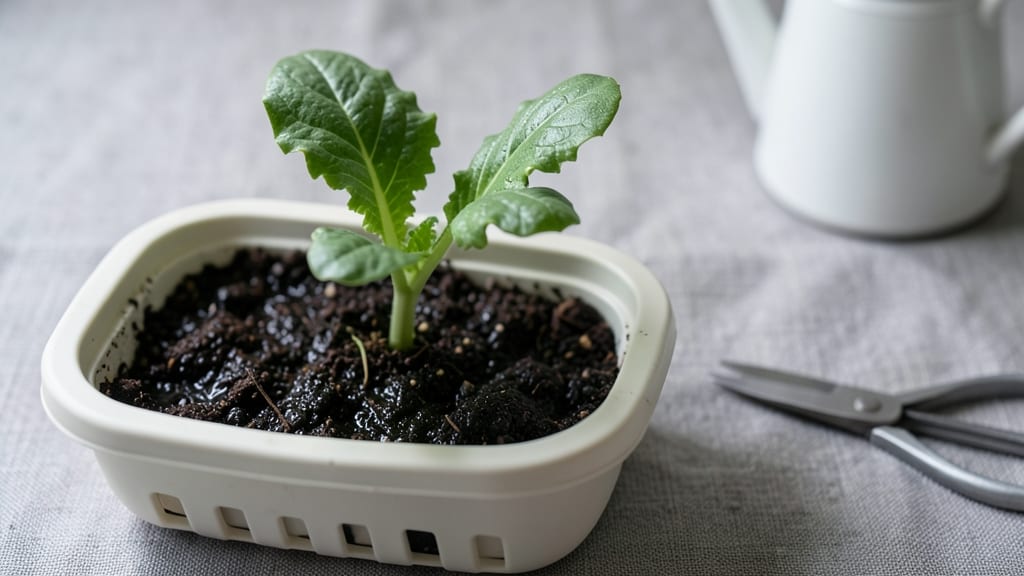
This method kickstarts the plant life cycle by triggering germination—the process where a seed transforms into a seedling. 🌱 The right conditions (like consistent moisture and proper temperature) make all the difference, especially for delicate seeds that need specific care.
I’ve seen beginners struggle with timing and depth, but mastering these basics unlocks endless gardening possibilities, whether you’re growing herbs on a windowsill or vegetables in a backyard plot.
What’s fascinating is how different seeds behave—some need light to sprout, while others require darkness. Understanding these quirks helps you choose the right approach for each plant type, from fast-sprouting lettuce to slow-starting tomatoes.
💡 In This Article
- Key Factors Affecting Seed Germination Success
- Step-by-Step Guide to Sowing Seeds Indoors and Outdoors
Key factors affecting seed germination success
Seed germination is a biochemical process where the embryo inside a seed resumes growth after a period of dormancy. The key trigger is imbibition—when water activates enzymes that break down stored nutrients like starches into sugars, providing energy for the seedling.
Temperature plays a critical role here: most seeds germinate best within a 50-85°F range, but some, like peppers, need 75-85°F, while cold-hardy varieties like spinach thrive at 50-65°F. This is why timing matters—planting too early in cold climates can stall germination entirely.
The soil's moisture content must stay consistently damp but not waterlogged, as excess water displaces oxygen, suffocating the seed. Think of it like a sponge: the soil should hold moisture like a wrung-out sponge—not dripping wet.
Light requirements vary drastically by species—dicots (like tomatoes) often need darkness to germinate, while monocots (like grasses) require light to trigger sprouting. This is why some gardeners cover seeds with soil while others press them lightly into the surface.
Soil composition also matters—seeds need aeration and organic matter for root development. A mix of 50% peat moss or coco coir and 50% perlite or vermiculite creates ideal porosity.
For example, bean seeds planted in dense clay soil may rot before sprouting, while the same seeds in loose, airy soil germinate within 5-10 days. pH levels matter too: most vegetables prefer a slightly acidic to neutral range (6.0-7.0), but blueberries need acidic soil (4.5-5.5) to break dormancy.
Some seeds have evolved dormancy mechanisms to survive harsh conditions. Stratification (exposing seeds to cold, like refrigerating them for 6-8 weeks) mimics winter and breaks dormancy in seeds like apples or hickories. Scarification (scratching the seed coat) helps water penetrate hard shells, as seen in maple or pecan seeds.
These techniques explain why some seeds sprout reliably while others seem stubborn—it’s not laziness, but biology!
Even after germination, light becomes crucial. Seedlings need 12-16 hours of light daily to prevent leggy growth, a condition called etiolation where they stretch toward light sources. This is why indoor growers use grow lights or rotate trays regularly.
The transition from heterotrophic (using seed reserves) to autotrophic (photosynthesis) growth happens here—when the first true leaves appear, the seedling can finally sustain itself independently.
Understanding these factors transforms sowing from guesswork to science. For instance, planting marigold seeds (which need light) too deep will fail, while tomato seeds (which prefer darkness) buried ½ inch deep thrive. The right conditions don’t just speed up germination—they ensure stronger, healthier seedlings ready for transplanting. 🌱