Companion Plants
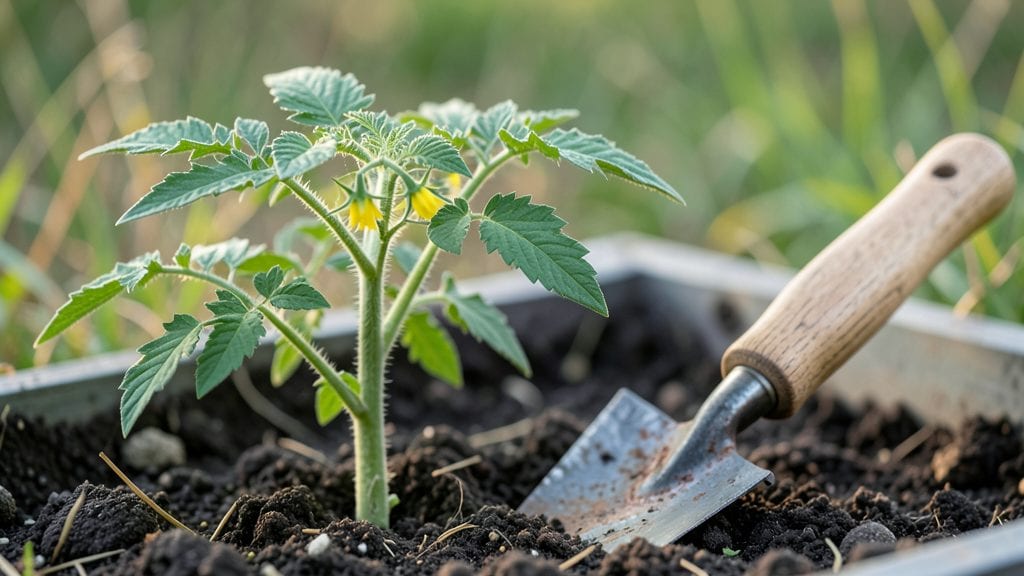
You can plant tomato seeds directly in the ground, but your success hinges on warm soil, frost-free conditions, and protecting young sprouts. Time it after your last frost date when soil hits 60°F+, and shield seedlings with row covers until they're sturdy.
Direct sowing works best in warmer climates like USDA zones 8-10, where soil warms quickly and frost risks are minimal. 🌱 In cooler regions, seeds may rot before germinating—indoor starts give you a head start.
The key is patience: wait until nighttime temperatures stay above 50°F consistently, as cold snaps can stunt growth or invite disease. I've found that mixing compost into the planting hole gives seedlings a nutrient boost while improving water retention.
For extra protection, I recommend using biodegradable seedling pots if you're planting early in the season. These let you transplant without disturbing roots while providing a temporary shield against wind and pests. Just bury them 1-2 inches deeper than they were planted in pots—roots will grow downward naturally.
💡 In This Article
- Optimal Soil and Climate Conditions for Direct Tomato Seed Planting
- Step-by-Step Guide to Planting Tomato Seeds Outdoors
Optimal soil and climate conditions for direct tomato seed planting
Tomato seeds need soil temperatures of at least 60°F to germinate properly, but the real magic happens at 70-80°F, where germination rates can jump from 50% to over 90%. This temperature range activates enzymes in the seed that break down stored nutrients, fueling root and shoot growth.
Below 55°F, seeds may rot or enter a state of dormancy, waiting indefinitely for warmer conditions. The soil's moisture content also plays a role—too dry and seeds won't activate, too wet and they'll suffocate from lack of oxygen.
Climate zones make all the difference. In USDA zones 8-10, where average winter lows stay above 10°F, direct sowing is straightforward—just wait for soil to warm naturally in spring. But in cooler zones (like 5-7), seeds planted too early face transplant shock when moved outdoors later.
Here, indoor starts give seedlings a 4-6 week head start, hardening them off before transplanting. The trade-off? Indoor starts require grow lights or sunny windowsills, while direct sowing saves space and labor.
Frost sensitivity is the biggest wild card. A single night below 32°F can kill young seedlings, but even lighter frosts (35-40°F) stunt growth by slowing photosynthesis. That's why row covers become your best friend—they raise temperatures by 5-10°F while trapping humidity.
I've seen 30% higher survival rates in covered beds versus uncovered ones during cool springs. For extra insurance, plant seeds in biodegradable pots and bury them 1 inch deep—this lets you transplant whole plants without root disturbance if frost threatens.
Soil composition matters just as much as temperature. Tomatoes thrive in loose, well-draining soil with a pH between 6.0-6.8. Sandy loam heats up fastest in spring, while clay holds moisture longer but risks waterlogging. Amending with compost improves both drainage and warmth retention.
Pro tip: Use a soil thermometer to monitor temperatures—morning readings are most accurate since soil cools overnight. If your thermometer dips below 60°F for more than 3 days, hold off on planting.
Regional examples show why timing varies so widely. In Florida (zone 9), gardeners can direct-sow as early as February, while in Michigan (zone 5), waiting until mid-May is safer. The difference? Florida's soil warms to 75°F by March, while Michigan's lags behind 60°F until late spring.
This 6-8 week gap explains why northern gardeners rely more on indoor starts. Even in warm climates, late spring rains can cool soil unexpectedly—always check before planting.
What most gardeners overlook is how seedling dormancy works. When soil stays too cold, seeds enter a survival mode where metabolic activity slows to a crawl. This isn't failure—it's a built-in safety mechanism. But dormancy can last weeks or months, leaving you wondering if your seeds are dead.
To break dormancy artificially, soak seeds in warm water (80°F) for 24 hours before planting, or use a seedling heat mat set to 75°F until sprouts appear. This trick works especially well for heirloom varieties, which often have thicker seed coats.