Pests and Diseases
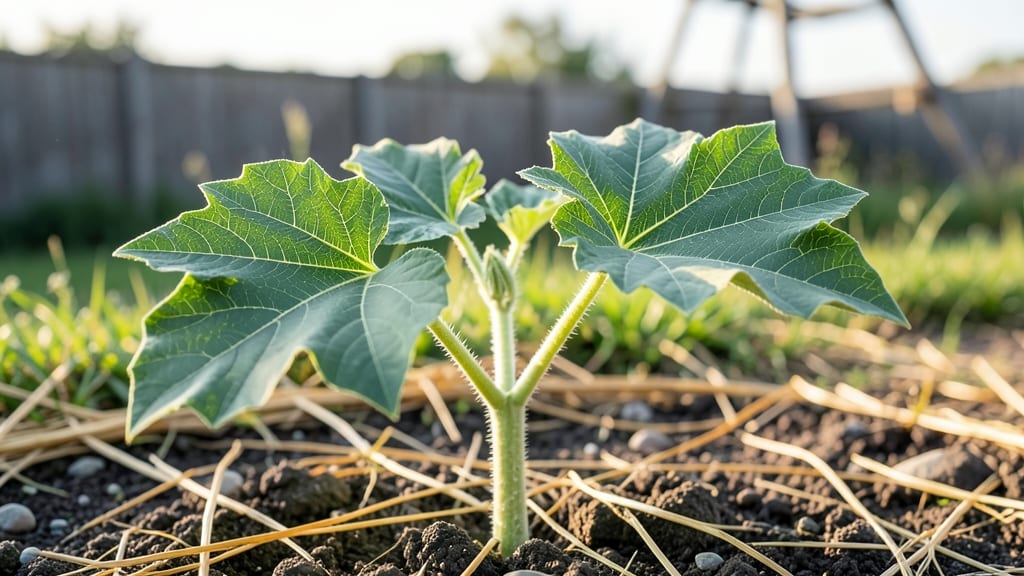
My pumpkin seedling leaves were turning yellow and curling last summer, and I finally figured out the pruning trick that saved my vines. 🌱 The fix isn't complicated—it's about removing the right leaves at the right time to redirect energy where it matters most.
I wasted two seasons struggling with weak growth until I learned this simple technique that keeps plants strong from the start.
You only need sharp scissors and about 10 minutes of your time to make a difference. The key is targeting the lower leaves first—the ones blocking sunlight from reaching the main stem. This isn't about drastic cuts but strategic trimming to encourage bushier, healthier vines that produce better fruit later.
My plants went from struggling to thriving within just a few weeks of proper pruning.
📚 In This Guide
- What you need
- Instructions
- Tips and common mistakes
- Wrapping up and next steps
What you need
- ● Pruning shears or sharp scissors – Sterilized (rubbing alcohol wipe) to prevent disease spread.
- ● Gloves – Garden-grade (nitrile or leather) for protection from thorns and sap.
- ● Disinfectant spray – 70% isopropyl alcohol or hydrogen peroxide (3%) for tool sterilization.
- ○ Small bucket or tray – For collecting pruned leaves (optional but helpful for composting).
- ● Permanent marker – To label pruned sections if tracking growth stages.
- ● Garden twine or stakes – For supporting vines post-pruning (if needed).
- ● Compost bin – To recycle pruned leaves into nutrient-rich soil.
- ○ Plant growth regulator (optional) – Follow label instructions for excessive vine growth.
- ● Magnifying glass – For spotting early signs of pests/diseases on leaves.
Instructions for pruning pumpkin seedling leaves to encourage strong vines
Here’s how to shape young pumpkin plants for bigger harvests—without stressing the vines.
🌱 Step 1: Wait Until Seedlings Have 3-4 True Leaves
Hold off on pruning until your seedlings develop their third or fourth true leaves—those are the broad, mature leaves beyond the initial seed leaves. You’ll know they’re ready when the vines are 4-6 inches tall and the leaves look sturdy, not wilted or yellowing. Pruning too early stresses the plant before it’s established.
Gently inspect the stem for any side shoots or weak growth. These are your targets for the first pruning. I like to work in the morning when the plants are hydrated, so I can see the structure clearly without squinting.
✂️ Step 2: Remove Only the Lower Leaves and Weak Growth
Use clean, sharp scissors or pruners to snip off the lowest 1-2 sets of leaves, cutting just above the leaf node where it meets the stem. This redirects energy upward to the main vine and future fruit. Avoid cutting into the stem—always leave a tiny stub to prevent disease entry.
Skip any leaves that look healthy and green. Focus on yellowing, damaged, or overly crowded leaves. If you see a side shoot growing from the stem, trim it back to encourage the main vine to thicken. Remember: less is more—over-pruning weakens the plant.
☀️ Step 3: Thin Crowded Vines After 2-3 Weeks
After 2-3 weeks, check for new growth and thin any weak or competing vines back to the main stem. If you see multiple stems growing from the base, keep only the strongest, most upright one. Cut the others at the base to avoid draining energy from the primary vine.
This step is crucial for healthy vine growth—pumpkins need strong, unobstructed vines to support their weight. If you notice leaves curling or yellowing after pruning, it’s a sign the plant is struggling. In that case, hold off on further pruning until it recovers.
💧 Step 4: Monitor Water and Light After Pruning
Water the base of the plant deeply the day after pruning to help it recover. Keep the soil evenly moist but not soggy—pumpkin seedlings hate wet feet. Place the plant in a spot with full sun (6+ hours daily) to speed up healing and encourage new growth.
Watch for new leaf growth within 7-10 days. If the plant perks up and starts producing fresh leaves, your pruning worked! If it looks sluggish, reduce water slightly and ensure it’s getting enough light. A weak seedling won’t bounce back from aggressive pruning.
🌿 Step 5: Repeat Pruning as Vines Mature
As your pumpkin vines grow, continue pruning every 2-3 weeks to remove any yellowing leaves, weak shoots, or overcrowded growth. Focus on keeping the main vine strong and removing anything that competes for nutrients. This encourages healthier, more productive vines with fewer pests and diseases.
By the time your pumpkins start flowering, your vines should be thick, sturdy, and free of weak growth. This sets the stage for a stronger harvest later in the season. Just remember: prune with purpose, and your pumpkins will thank you with bigger, healthier fruit.
Tips & tricks for pumpkin seedling pruning success
Pruning pumpkin seedlings might seem intimidating, but these simple tricks will help you build stronger vines without stressing your plants.
Timing is Everything: The 3-4 true leaf stage is your green light to prune, but don't rush it. I've seen beginners prune too early when seedlings are just 2-3 inches tall, and that's when you'll notice stunted growth. Wait until those leaves are fully unfurled and the vine reaches 4-6 inches—this ensures the plant has enough energy reserves to recover. Morning pruning is ideal because the leaves are fully hydrated, making it easier to spot weak growth.
Tool Tip: Never use your fingers or dull scissors to prune pumpkin seedlings. Grab a pair of clean, sharp pruners or small gardening shears and cut just above the leaf node where the leaf meets the stem. This tiny detail prevents disease from entering the plant through jagged cuts. I keep a small bottle of rubbing alcohol nearby to wipe down my tools between cuts—it's a simple habit that prevents spreading any potential pathogens.
Visual Cues Matter: When you're ready to thin crowded vines after 2-3 weeks, look for the strongest stem by checking for vibrant green leaves and a sturdy, upright growth pattern. The weak stems will often have yellowing leaves or grow at odd angles. Remember, you're not just pruning leaves—you're sculpting the plant's energy flow. If you're unsure which stem to keep, choose the one that's growing most vertically toward the sun.
Recovery Strategy: After pruning, the 7-10 day recovery window is critical. I've learned this the hard way—once I skipped the deep watering after pruning, and my seedlings took three weeks to show new growth. Water deeply at the base (about 1 inch of water) the day after pruning, and keep the soil evenly moist. Place your plants in full sun (6+ hours daily) to speed up healing. If you notice leaves curling or yellowing during this period, it's your plant's way of saying "slow down"—reduce water slightly and give it extra light instead of more pruning.
Pro Tips for Pumpkin Seedling Leaves
- Pruning pumpkin seedlings might seem intimidating, but these simple tricks will help you build stronger vines without...
- Timing is Everything: The 3-4 true leaf stage is your green light to prune, but don't rush it. I've seen beginners pr...
- Tool Tip: Never use your fingers or dull scissors to prune pumpkin seedlings. Grab a pair of clean, sharp pruners or ...
Frequently asked questions
Got questions about pumpkin seedling leaves?
You’re not alone! Here are answers to the most common concerns—from timing to troubleshooting—so you can keep those vines thriving.
When should I start pruning pumpkin seedling leaves?
Prune pumpkin seedling leaves once the vines are 3–4 feet long and have 5–7 leaves. Focus on removing the oldest leaves near the base first—they drain energy. Avoid over-pruning early, as seedlings need foliage for photosynthesis.
How many leaves should I leave on a pumpkin seedling?
Leave 5–7 healthy, mature leaves per vine after pruning. These should be the youngest, sun-exposed leaves near the top. Removing too many can stress the plant, while leaving too many reduces airflow and increases disease risk. Balance is key!
What if my pumpkin seedling leaves turn yellow or wilt after pruning?
Yellowing or wilting can signal stress or over-pruning. If it happens, pause pruning and check for:
Give them 3–5 days to recover before resuming pruning.
Can I use pumpkin seedling leaves for compost or mulch?
Yes! Healthy, disease-free pumpkin leaves make great green compost or mulch. Chop them into smaller pieces to speed decomposition. Avoid using leaves with powdery mildew or pests—compost them separately or discard them.
What’s an alternative if I don’t want to prune pumpkin seedling leaves?
If pruning feels overwhelming, try these low-maintenance options:
- Thinning vines: Space plants 4–6 feet apart to reduce competition.
- Fertilizing: Use a balanced 10-10-10 fertilizer to boost growth.
- Support structures: Train vines upward with trellises to improve airflow.
Wrapping up and next steps
Caring for your pumpkin seedling leaves through proper pruning is a game-changer for a thriving vine and bountiful harvest! 🌱 By mastering the art of selective trimming, you’ll boost airflow, prevent diseases, and guide your plant’s energy toward stronger growth. Don’t let yellowing or pest-ridden leaves hold you back—take action now!
Ready to transform your pumpkin patch? Start by observing your seedlings daily and pruning with confidence using the tips you’ve learned. Your future harvest will thank you—happy gardening! 🍂✨