Picking
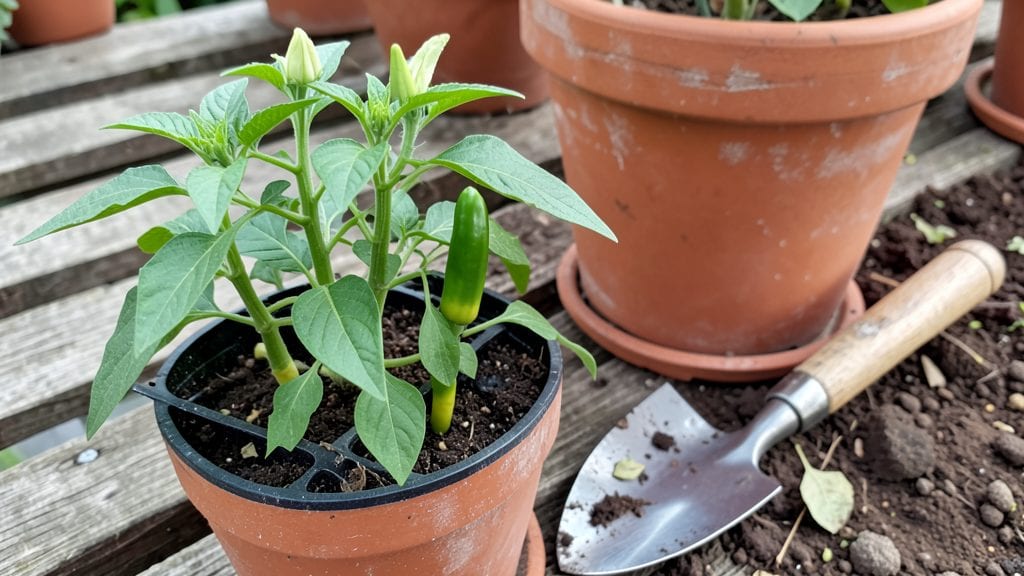
Seeding jalapeno peppers is faster than you think—7 days to those first green shoots, if you nail the basics. I’ve grown thousands of peppers, and the secret isn’t fancy soil or greenhouse setups—it’s getting the temperature, moisture, and light just right from day one.
The wrong move (like overwatering or planting too deep) can stall germination for weeks, but once you see those first sprouts, you’ll be hooked.
Start with fresh, organic jalapeno seeds (not dried-out store-bought ones) and a sterile seed-starting mix—no yard soil here. Plant them ¼ inch deep in small pots or a seed tray, keep the soil warm (around 80°F), and mist lightly every other day.
A heating mat under the tray cuts germination time in half, but even without one, you’ll see results in under a week with consistent care.
By day 7, you’ll spot tiny green hooks breaking through the soil—that’s when the real work begins. Keep them in bright light (a grow bulb or sunny windowsill) and watch them grow into sturdy seedlings ready for transplanting in 4-6 weeks.
The payoff? Homegrown jalapenos that outperform store-bought any day, with flavors you can’t find in grocery stores.
Container gardeners, take note: jalapenos thrive in 5-gallon pots with good drainage, and pairing them with basil or marigolds keeps pests away. If your seeds take longer than 14 days to sprout, check the moisture and warmth—most issues come from holding back too much water or letting the soil cool.
Stick with it, and you’ll have a spicy harvest before you know it.
📚 In This Guide
- What you need
- Instructions
- Tips and common mistakes
- Wrapping up and next steps
What you need
- ● Jalapeño seeds: 10–20 fresh, high-quality seeds (look for organic or heirloom varieties for best results).
- ● Seed-starting mix: 1–2 cups of sterile, well-draining potting soil (avoid garden soil—it’s too dense!).
- ● Containers: Small seed trays (with drainage holes) or
- ● 4–6 small pots (3–4 inches in diameter) with drainage holes.
- ● Spray bottle: 8–16 oz with a fine mist nozzle (for gentle watering).
- ● Plastic wrap or humidity dome: To create a mini greenhouse effect.
- ● Grow lights or sunny windowsill: A south-facing window (6+ hours of sunlight) or a 12–16" LED grow light for seedlings.
- ● Labels & marker: To track seed varieties and planting dates.
- ○ Fertilizer (optional but helpful): A balanced, water-soluble fertilizer (5-10-5 or 10-10-10) for post-germination care.
- ● Heating mat: A seedling heat mat (70–80°F) to speed up germination.
- ● Seedling heaters: For extra warmth in cooler climates.
- ● pH test kit: To ensure your soil is slightly acidic (6.0–6.8 pH).
- ● Fungicide (like hydrogen peroxide or cinnamon): To prevent mold or damping-off disease.
- ● Transplant trays: Larger pots (5–6 inches) for when seedlings outgrow their starter containers.
Step-by-Step instructions for seeding jalapeno peppers
Here's the foolproof method I use to get vigorous jalapeno seedlings in just seven days.
Prepare Containers and Seed Starting Mix
Fill your 4-inch deep containers with 2 gallons of seed-starting mix, leaving about ½ inch of space below the rim. I prefer a sterile, peat-based mix because it holds moisture without compacting—jalapenos hate soggy roots. Gently fluff the mix with your fingers to break up any clumps, then moisten it until it feels like a damp sponge. You want it to hold together when squeezed but not drip water.
Press the soil down lightly to create a firm surface. This prevents seeds from sinking too deep during watering. I like to make a small indentation in each container—just enough to hold the tiny jalapeno seeds without burying them. A toothpick works perfectly for this. If you're sowing multiple containers, I recommend labeling them now with the variety and date to avoid confusion later.
Sow Seeds at the Right Depth and Spacing
Place 1-2 seeds per container at a depth of about ¼ inch, using the toothpick to create a small hole. Jalapeno seeds are tiny, so I tap the seed packet gently to release just one seed at a time—planting too many in one hole leads to weak, crowded seedlings. Cover them lightly with a thin layer of the remaining mix, just enough to obscure the seeds but not bury them deeply.
Mist the soil surface with a spray bottle until it's evenly moist. Avoid using a watering can, as the force can wash the seeds away or bury them too deep. I like to set the containers in a shallow tray to catch any excess water, then let them sit for about 10 minutes to ensure the seeds are settled at the correct depth. This step is critical—seeds planted too deep may never emerge.
Provide Warmth and Humidity for Germination
Cover the containers with a clear plastic dome or plastic wrap to trap warmth and humidity. Jalapenos germinate best at temperatures between 75-85°F, so I place them on a seedling heat mat if my home runs cooler. Without extra warmth, germination can take 2-3 weeks instead of the promised 7 days. Check the soil daily but resist the urge to water—condensation from the dome should keep it moist.
Position the containers in a bright, indirect light spot. Avoid direct sunlight, which can overheat the soil and cause the seeds to dry out. You'll see the first sprouts in 3-5 days, but full germination usually takes 7 days. Once 50% of the seeds have sprouted, remove the dome immediately to prevent damping-off, a fungal disease that can kill seedlings overnight.
Move to Optimal Light and Monitor Growth
As soon as the seedlings emerge, move them to a location with 14-16 hours of bright light daily. A south-facing window or a grow light positioned 2-4 inches above the plants works best. Jalapenos need strong light to prevent leggy growth—thin, weak stems that stretch toward the light source. You'll know your light is sufficient when the seedlings have thick, dark green stems and compact spacing between leaves.
Water the seedlings gently at the base, keeping the soil evenly moist but not soggy. I use a small watering can with a narrow spout to avoid disturbing the delicate seedlings. Overwatering at this stage is a common mistake—it can lead to root rot or fungal issues. Wait until the top inch of soil feels dry before watering again. Within 10-14 days, you'll see the first true leaves (the second set of leaves after the initial cotyledons) appear.
Thin Seedlings and Prepare for Transplanting
If you planted 2 seeds per container, thin the seedlings to the strongest one by gently snipping the weaker stem at the soil line. Handle the seedlings carefully to avoid damaging the roots. I always keep the most vigorous seedling—the one with the thickest stem and darkest green leaves. This ensures you have a healthy plant ready for transplanting in 4-6 weeks.
Two weeks before your last frost date, start hardening off the seedlings by placing them outside in a sheltered spot for 1-2 hours the first day. Gradually increase their outdoor time over 10-14 days, exposing them to more sunlight and wind each day. This process helps them adjust to outdoor conditions and reduces transplant shock. Once they can tolerate a full day outside without wilting, they're ready to move to the garden or larger containers.
Tips & tricks for stress-free jalapeno germination
These proven techniques will help you achieve reliable, vigorous jalapeno seedlings every time—without the common pitfalls that derail so many gardeners.
Soil Preparation Secret: The 10-minute settling period after watering in Step 1 isn't just about letting seeds settle—it's about creating the perfect moisture balance. Press the soil down firmly enough to prevent sinking during watering, but don't compact it like you're making a brick. Think "lightly packed snow" consistency. This creates ideal air pockets for oxygen while maintaining moisture retention. I've found that adding a thin layer of perlite to the seed-starting mix before moistening improves drainage without sacrificing moisture retention, which is crucial for those tiny jalapeno seeds.
Germination Temperature Strategy: While the instructions specify 75-85°F as ideal, I've discovered that maintaining the higher end of this range (closer to 85°F) significantly reduces germination time. If your home runs cooler, consider using a small, adjustable heat mat specifically designed for seedlings rather than trying to compensate with extra blankets or towels. These mats provide consistent warmth without the risk of overheating. Remember that every degree below 75°F can double your germination time—so if you're seeing slow progress after 7 days, check your soil temperature with a seedling thermometer.
Lighting Transition Technique: When moving seedlings to 14-16 hours of light in Step 4, I recommend starting with 12 hours on day one and gradually increasing by 1 hour daily. This gradual transition prevents the shock that can cause leggy growth. For indoor grow lights, position them just 2 inches above the seedlings initially, then raise them to 4 inches as the plants grow. The key visual cue is maintaining a 90-degree angle between the stem and leaves—if you see leaves growing at wider angles, your light is too far away. Also, rotate containers daily to ensure even growth toward the light source, preventing lopsided seedlings.
Hardening Off Hack: The 1-2 hour outdoor exposure in Step 5 is your first real test of seedling resilience. I've found that starting this process when nighttime temperatures consistently stay above 50°F gives seedlings a better chance of survival. On cloudy days, extend the outdoor time to compensate for reduced sunlight. Watch for wilting as your first indicator—if seedlings perk up within 10 minutes of returning indoors, they're ready for another hour the next day. If they remain wilted, they're not ready yet. This gradual approach builds their toughness much more effectively than sudden exposure.
Pro Tips for Seeding A Jalapeno
- These proven techniques will help you achieve reliable, vigorous jalapeno seedlings every time—without the common pitfalls that derail so many gardeners.
- Soil Preparation Secret: The 10-minute settling period after watering in Step 1 isn't just about letting seeds settle—it's about creating the perfect moisture balance.
- Germination Temperature Strategy: While the instructions specify 75-85°F as ideal, I've discovered that maintaining the higher end of this range (closer to 85°F) significantly reduces germination time.
Frequently asked questions
Got questions about seeding jalapeños like a pro?
Here are the most common ones—plus quick, actionable answers to keep your peppers thriving!
How deep should I plant jalapeño seeds?
Plant seeds half an inch deep in well-draining soil. Press them gently—don’t bury too deep, or they’ll struggle to sprout. A light mist of water afterward keeps moisture consistent without drowning them. Pro tip: Use a seed-starting mix (not garden soil) for faster germination!
Why aren’t my jalapeño seeds sprouting in 7 days?
Patience is key! Seeds need warmth (70–85°F) and moisture to germinate. If they’re slow, check:
- Heat: Use a seedling heat mat or place trays on top of a fridge.
- Moisture: Keep soil damp (not soggy)—cover with plastic wrap temporarily.
- Time: Some seeds take 10–14 days; don’t give up!
Can I seed jalapeños directly in the ground instead of starting indoors?
Yes! If your climate stays above 60°F at night, sow seeds ½ inch deep after the last frost. Use black plastic mulch to warm the soil faster. Warning: Direct seeding risks slugs or uneven growth—start indoors if pests are a problem!
What’s the best way to transplant jalapeño seedlings?
Hardening off seedlings (acclimating them to outdoor conditions) for 7–10 days prevents shock. Transplant on a cloudy day or late afternoon. Bury stems deeper than the soil line—they’ll root from nodes! Water thoroughly after planting to reduce transplant stress.
Will jalapeño seeds from store-bought peppers grow?
Maybe! Store-bought seeds are untested—some may not grow or could produce weaker plants. For reliable results, buy heirloom or hybrid seeds from nurseries. Save seeds from organic, homegrown peppers for better germination rates.
Wrapping up and next steps
Seeding jalapeño peppers is a rewarding journey that connects you to the roots of your favorite spicy dishes! With the right materials, patience, and a few simple steps, you’ll have vibrant seedlings ready to thrive in just 7 days.
Remember, consistency is key—whether it’s keeping your soil moist or providing the perfect light, your efforts will pay off with a bountiful harvest.
Now that you’re armed with knowledge, take the next step! Grab those seeds, set up your mini greenhouse, and watch your jalapeños sprout into life. Happy gardening—your future salsa and tacos will thank you! 🌱🔥