
Advice
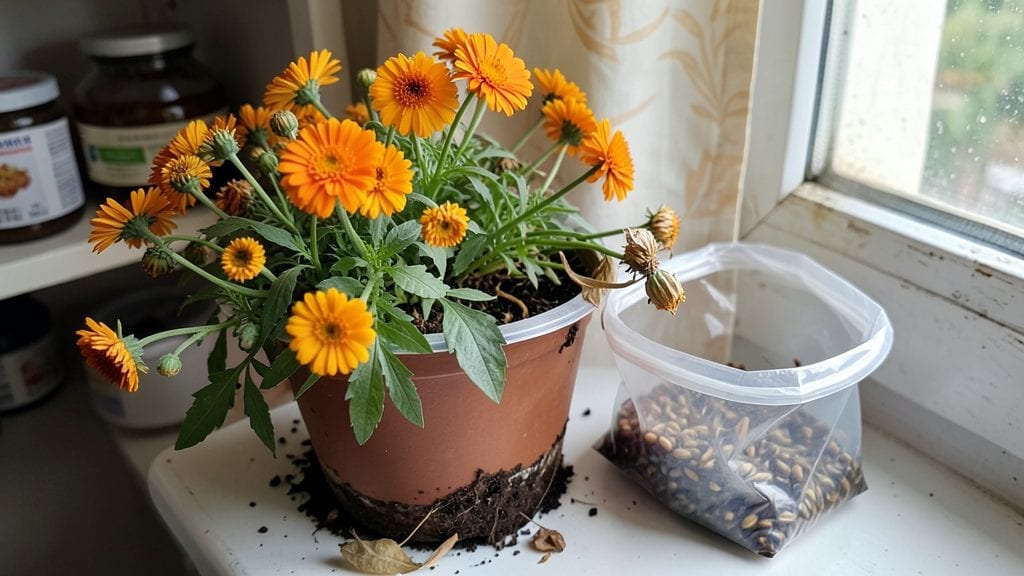
Yes, you can freeze seeds to extend their shelf life for years, but success depends on controlling moisture levels, using the right packaging, and maintaining consistent cold temperatures to avoid mold or germination loss. Always dry seeds completely before freezing.
Freezing seeds works by slowing down metabolic activity, which preserves their genetic integrity and germination potential. 🔥 The key is proper preparation—seeds with high moisture content (above 10%) risk mold or damage when frozen, so I recommend drying them in a cool, dry place for 1-2 weeks before storage.
This method is especially effective for heirloom varieties, which often lose viability faster than hybrids when stored at room temperature.
For packaging, I use paper envelopes for short-term storage (up to 1 year) and airtight, moisture-proof containers for long-term freezing (up to 10+ years). Label each package with the seed type and date—this helps track viability over time.
The coldest part of your freezer (0°F or below) is ideal, as it minimizes temperature fluctuations that could stress the seeds.
💡 In This Article
- How Freezing Affects Seed Germination and Longevity
- Step-by-Step Guide to Freezing Seeds Safely
How freezing affects seed germination and longevity
The science behind freezing seeds revolves around cryopreservation, a process that halts biological activity by lowering temperatures to 0°F or below. At these extreme cold levels, enzymatic reactions and cellular respiration slow to nearly imperceptible rates, effectively putting seeds into a suspended state.
This works because water inside seeds forms ice crystals, but the glass transition (a physical change in the seed's structure) prevents irreversible damage to cell membranes. 🌱 For most seeds, this preservation method can extend viability from 2-5 years at room temperature to decades when frozen properly.
Moisture content is the critical factor here—seeds with 10% or less moisture by weight freeze safely, while those above 12% risk internal ice formation that ruptures delicate seed coats.
For example, tomato seeds naturally contain about 8-10% moisture, making them excellent candidates for freezing, whereas freshly harvested pea seeds (often 15% moisture) require additional drying.
Oxygen levels also play a role: airtight containers reduce oxidative damage, but complete vacuum sealing can cause condensation during thawing, which is why paper envelopes with desiccant packets are often preferred for long-term storage.
Heirloom seeds benefit most from freezing because their genetic diversity often makes them more sensitive to temperature fluctuations. Hybrid seeds, while generally more uniform, can also be preserved this way, though their shorter natural shelf life (often 1-2 years) means freezing offers less dramatic longevity benefits.
The key difference lies in their lipid content: heirloom varieties frequently contain higher levels of unsaturated fats that oxidize faster at room temperature, making cold storage particularly effective for them. 🔬 This is why seed savers often prioritize freezing heirloom varieties to maintain genetic integrity over generations.
Short-term freezing (1 year) primarily slows aging processes, while long-term storage (5+ years) requires additional safeguards like lyophilization (freeze-drying) for ultra-sensitive seeds. The cold chain must remain unbroken—even brief exposure to 32°F or above can trigger metabolic activity that reduces viability.
For instance, a study on carrot seeds showed germination rates dropped from 98% to 72% after just 24 hours at 40°F before freezing, demonstrating how critical temperature consistency is during storage.
Seed coatings also influence freezing success. Some commercial seeds have polymer coatings that prevent moisture absorption, while organic seeds may have natural waxy layers that need careful handling. For example, basil seeds (which contain mucilage) freeze poorly unless thoroughly dried first, as their gel-like exterior traps moisture.
The texture of the seed coat matters too—hard, thick coats (like sunflower seeds) protect better than thin, papery ones (like lettuce seeds), which can become brittle when frozen improperly. 💡 This is why proper drying before freezing isn't just recommended—it's essential for maintaining structural integrity.
What most gardeners overlook is the thawing process, which can be just as critical as freezing. Seeds should never be removed from the freezer and placed in warm conditions too quickly—this causes condensation that can lead to mold.
Instead, transfer them directly to a cool, dry place (like a seed refrigerator at 40°F) for 12-24 hours before use. This gradual adjustment prevents osmotic shock in the seed cells, preserving their ability to absorb water and germinate properly once planted.