Vegetables
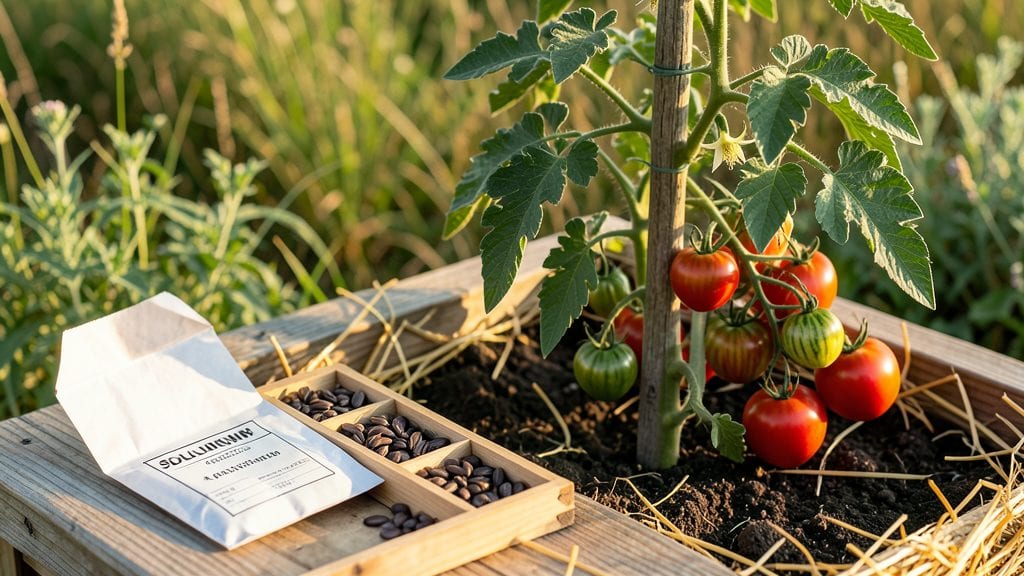
Storing tomato seeds properly means you can grow heirloom varieties year after year without buying new ones. 🌱 I’ve saved seeds from my favorite cherry tomatoes for five seasons now, and the process is simpler than most gardeners think—just a few key steps to keep them dry, cool, and ready for planting.
The secret lies in removing the gel from seeds before drying, then storing them in airtight containers away from light. Most people overlook the drying phase, which is critical—moisture is the enemy of long-term viability.
A paper envelope or small glass jar works perfectly, and refrigeration extends their life even further.
With proper storage, your seeds stay viable for 3-5 years, sometimes even longer. Imagine planting the same heirloom tomatoes your grandparents grew, with all their unique flavors and colors preserved. The best part? You’ll never again pay premium prices for specialty seeds.
This method works for any tomato variety, whether you’re saving seeds from a backyard garden or a container setup. Let’s get those seeds stored so you can grow next season’s harvest from scratch.
📚 In This Guide
- What you need
- Instructions
- Tips and common mistakes
- Wrapping up and next steps
What you need
- ● Mature, healthy tomato seeds – Harvest from fully ripe, organic tomatoes (avoid hybrid varieties if you want true-to-type seeds). Aim for at least 100 seeds if you’re saving for multiple varieties.
- ● Paper towels or coffee filters – 2-3 sheets (unbleached, seed-free if possible).
- ● Small bowls or plates – 2 shallow containers (glass or ceramic works best).
- ● Water – Room-temperature, filtered if possible.
- ● Small mesh bags or envelopes – 2-3 paper or breathable fabric bags (e.g., seed-saving envelopes or organza bags).
- ● Air-tight containers – 1-2 small jars or resealable bags (e.g., 4 oz mason jars or ziplock bags with silica gel packets).
- ● Permanent marker – For labeling varieties and dates.
- ○ Silica gel packets (optional but recommended) – 1-2 packets to absorb moisture (found in shoe boxes or online).
- ● Scissors or knife – For slicing tomatoes and trimming paper towels.
- ○ Fine-mesh strainer or sieve – To rinse seeds gently (optional but helpful).
- ○ Scale (optional) – For weighing seeds if you’re storing large quantities.
- ● Cool, dark storage space – A pantry, fridge (in a sealed container), or freezer (for long-term storage). Ideal temp: 32–50°F (0–10°C).
- ● Patience! – Seeds need 5–7 days to dry properly before storage.
Step-by-Step instructions for storing tomato seeds
Preserve your favorite tomato varieties for years with this simple, foolproof method.
🌱 Step 1: Extract Seeds From Ripe Tomatoes
Choose fully ripe tomatoes that are soft to the touch but not mushy. Cut them open and scoop out the jelly-like pulp containing the seeds. Place the pulp in a clean glass jar and add 1 cup of water—just enough to cover the pulp completely. Stir gently to release the seeds from the gel.
Let the mixture sit at room temperature for 2-3 days. You'll see the seeds sink to the bottom while the fermented gel rises to the top. This fermentation process removes the natural inhibitors that prevent germination, which is crucial for long-term storage success.
💧 Step 2: Rinse and Dry the Seeds
After fermentation, pour the mixture through a fine-mesh strainer to separate the seeds from the liquid. Rinse the seeds under cool running water until the water runs clear—this removes any remaining gel and ensures no fermentation residue remains.
Spread the seeds in a single layer on a clean, dry paper towel or seed-saving screen. Place them in a warm, dry spot with good airflow, like a sunny windowsill. The seeds are ready when they feel dry to the touch and break with a crisp snap—usually 3-5 days depending on humidity.
☀️ Step 3: Store Seeds in a Cool, Dark Environment
Once completely dry, transfer the seeds to a small, airtight container like a glass jar or envelope. I like to use paper envelopes with the variety name written on them—they’re lightweight and easy to label. Store the container in a cool, dark place, like a refrigerator or seed vault, where temperatures stay between 35-50°F.
Moisture is the enemy of seed viability, so avoid plastic containers that trap humidity. Check the seeds annually and re-dry them if you notice any dampness. Properly stored tomato seeds remain viable for 4-6 years, though germination rates decline gradually after the first year.
⏰ Step 4: Test Viability Before Planting
Before using stored seeds, perform a quick viability test. Place 10 seeds on a damp paper towel in a sealed plastic bag. Keep them in a warm spot (70-75°F) and check for sprouts in 5-7 days. If 80% or more of the seeds sprout, they’re ready to plant.
If germination is poor, don’t discard the seeds immediately. Store them for another year—they may still perform well. I’ve had seeds sprout after 5 years of storage, though yields may be lower. Label each batch with the year stored to track freshness and performance.
Tips & tricks for perfect tomato seed preservation
Here's what I've learned after saving seeds from dozens of tomato varieties—these small details make all the difference for long-term viability.
Fermentation is Non-Negotiable: Those 2-3 days of fermentation in Step 1 are absolutely critical. The natural inhibitors in the gel coat seeds prevent germination, and this process breaks them down. If you're impatient, don't skip it—even 24 hours won't be enough. I've seen seeds fail to germinate when this step was rushed. Trust me on this: the waiting pays off with seeds that'll sprout reliably for years.
Drying Technique Matters: When drying your seeds in Step 2, aim for a crisp snap when you break them between your fingers. Too much humidity in your drying environment can extend the 3-5 days needed, and over-drying can damage the seeds. I use a seed-saving screen over a coffee filter in my sunniest window—it creates perfect airflow while keeping dust out. If your kitchen is particularly humid, consider using a small fan on low to speed up the process.
Storage Container Wisdom: Paper envelopes are my go-to for seed storage because they're lightweight and breathable, preventing moisture buildup. If you must use plastic, choose the smallest container possible and include a silica gel packet to absorb any moisture. The 35-50°F temperature range is key—your refrigerator's crisper drawer is perfect if you don't have a dedicated seed vault. I always double-check that my containers are completely dry before sealing them to prevent mold growth.
Labeling System: Create a labeling system that includes both the tomato variety and the year stored. I use small masking tape with permanent marker because it's lightweight and won't add moisture. This helps you track how old your seeds are and rotate your stock. After 4-6 years, germination rates drop significantly, so having this information helps you prioritize which seeds to test first. I also include a quick note about any special characteristics of the tomato variety—like disease resistance or flavor notes.
Pro Tips for Storing Tomato Seeds
- Here's what I've learned after saving seeds from dozens of tomato varieties—these small details make all the difference for long-term viability.
- Fermentation is Non-Negotiable: Those 2-3 days of fermentation in Step 1 are absolutely critical.
- Drying Technique Matters: When drying your seeds in Step 2, aim for a crisp snap when you break them between your fingers.
Frequently asked questions
Got questions about storing tomato seeds? You’re not alone! Here are answers to the most common queries to help you preserve those precious seeds like a pro.
How long can I store tomato seeds before they lose viability?
Properly stored tomato seeds can stay viable for 3–5 years or even longer, though germination rates may drop over time. Store them in a cool, dry place (like a sealed container in the fridge) to maximize shelf life. Test a few seeds annually to check viability—if germination drops below 50%, it’s time to refresh your stash!
What’s the best time to harvest seeds from tomatoes for storage?
Wait until tomatoes are fully ripe and overripe—they’ll turn mushy and ferment slightly, which helps separate seeds from gel. Scoop seeds into a jar of water, stir, and let them ferment for 2–3 days. This process removes the sticky coating, making seeds easier to dry and store.
Can I store tomato seeds without drying them first?
Nope! Wet seeds will mold or rot quickly. Always dry seeds thoroughly on a paper towel for 3–5 days in a warm, dark place before storing. Once fully dry (they’ll look like tiny, hard beads), seal them in an airtight container to prevent moisture from sneaking back in.
What’s the best container for long-term seed storage?
Use airtight, moisture-proof containers like glass jars, plastic bags with silica gel packets, or vacuum-sealed bags. Label each container with the tomato variety and date to avoid confusion. Avoid cardboard or paper—they let moisture in and shorten shelf life.
My tomato seeds aren’t germinating after storage—what went wrong?
Check these common culprits: moisture exposure (seeds absorbed humidity), old age (viability drops over time), or poor drying (moldy seeds). Try a warm water soak (100°F for 24 hours) to revive dormant seeds. If that fails, test a fresh batch from this year’s tomatoes!
Wrapping up and next steps
Storing tomato seeds properly is your ticket to a year-round garden—no matter how small your space! By following these simple steps, you’ll ensure high viability and save money while supporting sustainable gardening. Now’s the perfect time to try it—grab those ripe tomatoes, and let your future harvests thrive!
Ready to take the next step? Start small:
- Save seeds from one heirloom variety this season.
- Experiment with storage methods to see what works best for your climate.
- Share your success (or lessons learned) with fellow gardeners—community grows together! 🌱