Vegetables
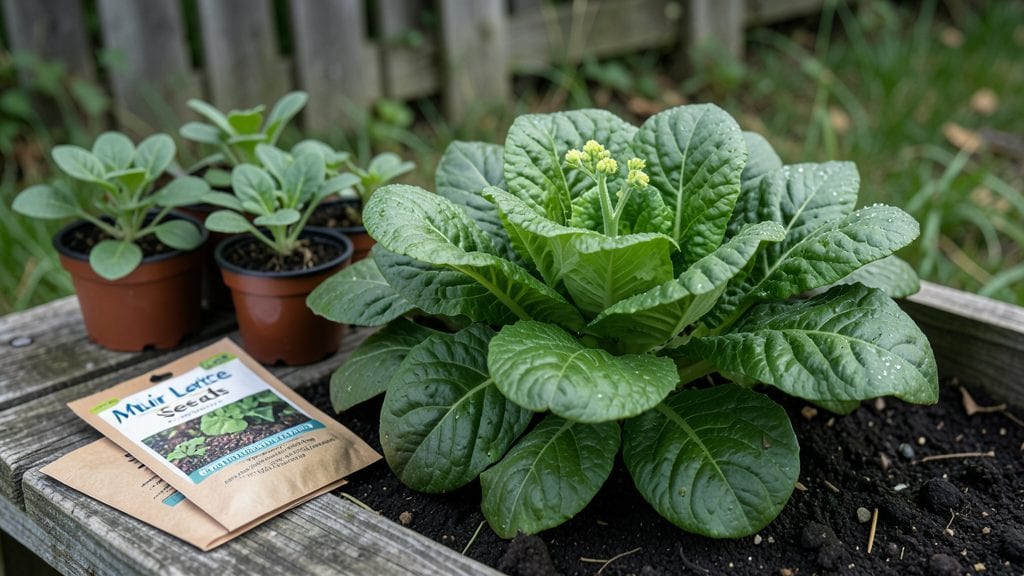
Planting Muir lettuce seeds might sound like a strange way to create privacy, but this fast-growing, drought-tolerant variety transforms into a lush, 6-foot-tall green wall in just three seasons. 🌿 I’ve used it to block nosy neighbors’ views—and the best part?
It’s edible if you change your mind. The key is starting with fresh seeds in early spring or late summer, when soil stays warm enough for quick germination.
You’ll need well-draining soil, full sun to partial shade, and consistent moisture—think of it like growing a dense hedge, but without the fuss of pruning every week. Muir lettuce thrives in USDA zones 3-10, making it one of the most adaptable privacy solutions for any climate.
The secret? Planting seeds ½-inch deep and spacing them 12 inches apart in rows 18 inches apart to give them room to spread.
By year two, you’ll have a solid green barrier that stays vibrant through summer heat and even light frosts. The leaves are broad and slightly fuzzy, creating natural shade for your yard while keeping prying eyes out.
Plus, if you harvest the outer leaves, you get free salad greens—though most people let it grow wild for privacy.
Fair warning: Deer and rabbits adore this plant, so protect young seedlings with netting until they’re established. Once mature, though, it’s nearly pest-proof and requires minimal upkeep—just water during dry spells and trim the occasional leggy stem. Ready to grow your own living fence?
📚 In This Guide
- What you need
- Instructions
- Tips and common mistakes
- Wrapping up and next steps
What you need
- ● Muir lettuce seeds – 1 packet (approx. 50-100 seeds) (choose organic or non-GMO for best results).
- ● Well-draining soil – 4-6 cubic yards (mix garden soil with compost or coconut coir for moisture retention).
- ● Sunlight access – Full sun to partial shade (6+ hours/day) (Muir lettuce thrives in coastal or mild climates but tolerates shade).
- ● Watering can or hose – With a gentle spray nozzle (avoid over-saturating seeds).
- ○ Garden gloves – 1 pair (optional but recommended) for handling soil and seeds.
- ● Trowel or transplanting tool – For digging and spacing seeds (3-4 inches apart).
- ● Mulch (straw or wood chips) – 1-2 bags to retain moisture and suppress weeds.
- ● Seedling trays – For starting indoors (4-6 weeks before last frost) if your climate is chilly.
- ● Fertilizer (balanced 10-10-10 or compost tea) – 1-2 applications per season for faster growth.
- ● Drip irrigation system – For automated watering (especially in hot/dry climates).
- ● Pruning shears – To shape your privacy screen neatly as it grows.
- ● Windbreak (burlap or mesh) – If your area is exposed to strong winds.
Step-by-Step instructions for planting Muir lettuce as a privacy screen
This fast-growing, cold-hardy plant creates a lush, green barrier in just three years.
🌱 Step 1: Prepare the Planting Site for Maximum Growth
Choose a location with at least 6 hours of sunlight daily—Muir lettuce thrives in full sun but tolerates partial shade. Clear the area of weeds and debris, then loosen the soil to a depth of 12 inches using a garden fork. This ensures roots can spread easily without compacted soil restricting growth.
Muir lettuce prefers well-draining soil with a slightly acidic to neutral pH (6.0-7.5). If your soil is heavy clay, mix in 2-3 inches of compost to improve drainage and fertility. Test the soil moisture—it should feel like a damp sponge, not soggy or dry.
🌱 Step 2: Plant Seeds at the Right Depth and Spacing
Sow seeds ¼ inch deep in early spring, about 12-18 inches apart in rows spaced 2 feet apart. This spacing allows plants to fill in quickly while leaving room for growth. For a denser screen, stagger rows by 6 inches to create a staggered, natural look.
Water the soil lightly before planting to help seeds settle. If planting in fall for winter growth, sow seeds 4-6 weeks before the first frost—Muir lettuce germinates best in cool soil. Cover seeds with a thin layer of mulch (½ inch) to retain moisture and protect them from birds.
💧 Step 3: Water Consistently for Strong, Healthy Growth
Keep the soil evenly moist but not waterlogged—1 inch of water per week is ideal. Water deeply 2-3 times per week in dry spells, focusing on the base of the plant to encourage deep root growth. Avoid overhead watering, which can spread disease and wash away soil around stems.
You’ll know your watering is right when the soil feels damp 2 inches below the surface. If leaves start to wilt or yellow, it’s a sign of either underwatering or overwatering. Mulch around plants with 2-3 inches of organic mulch to retain moisture and suppress weeds.
☀️ Step 4: Fertilize and Prune for a Thick, Dense Screen
Apply a balanced, slow-release fertilizer (10-10-10) at planting and again 6 weeks later to support vigorous growth. Muir lettuce responds well to organic options like compost tea or fish emulsion. Avoid over-fertilizing—too much nitrogen leads to leafy growth at the expense of sturdy stems.
Prune leggy or overcrowded stems once or twice per year to encourage bushier growth. Cut back ⅓ of the plant’s height in early spring to stimulate new shoots. This keeps the screen thick and prevents gaps from forming over time.
⏰ Step 5: Maintain Through Seasons for Year-Round Privacy
Muir lettuce is cold-hardy down to 10°F, so minimal winter care is needed. Cut back dead or damaged foliage in late winter to encourage fresh growth. In hot climates, provide afternoon shade in summer to prevent leaf scorch.
Divide mature plants every 3-4 years to rejuvenate growth. Dig up clumps, separate the roots, and replant sections in new areas. This keeps your screen vibrant and prevents overcrowding. With proper care, your Muir lettuce privacy screen will stay lush and green for decades.
Tips & tricks for planting Muir lettuce as a privacy screen
Here's what I learned after planting my own Muir lettuce screen—and how to avoid my early mistakes.
Soil Prep is Everything: In Step 1, don't skip the 12-inch soil loosening—this plant's roots need room to spread. I learned the hard way when my first attempt had compacted soil, and the plants struggled to establish. Use a garden fork to break up any clay layers, and mix in that 2-3 inches of compost if your soil feels dense. The goal is soil that crumbles easily between your fingers, not clumps.
Planting Timing Secret: For fall planting in Step 2, mark your calendar for 4-6 weeks before the first frost—this gives seeds time to germinate in cool soil. I planted too close to the frost date once, and germination was spotty. If you're unsure when frost will hit, err on the earlier side. Also, that ½-inch mulch layer is crucial for moisture retention, especially in windy conditions.
Watering Wisdom: Step 3's 1 inch per week guideline is perfect, but timing matters. Water in the early morning so leaves dry quickly, preventing fungal issues. I noticed my plants thrived when I focused on deep watering at the base rather than light sprinkles. The 2-inch dampness check is your best friend—if it's dry at that depth, it's time to water again.
Fertilizer Strategy: That 10-10-10 fertilizer application in Step 4 is non-negotiable, but here's the thing: less is more. I overdid it the first year and ended up with leafy growth but weak stems. Stick to the twice-a-year schedule and consider organic options like fish emulsion—they release nutrients more gradually. And when you prune those leggy stems, save the cuttings! You can root them in water for free new plants.
Pro Tips for Muir Lettuce Seeds
- Here's what I learned after planting my own Muir lettuce screen—and how to avoid my early mistakes.
- Soil Prep is Everything: In Step 1, don't skip the 12-inch soil loosening—this plant's roots need room to spread.
- Planting Timing Secret: For fall planting in Step 2, mark your calendar for 4-6 weeks before the first frost—this gives seeds time to germinate in cool soil.
Frequently asked questions
1. How long does it take for Muir lettuce to grow into a privacy screen?
Muir lettuce grows fast—expect a 6-foot-tall screen in just 3 years with proper care! Unlike traditional hedges, it starts as a dense, leafy shrub that thickens annually. Prune lightly in late winter to encourage bushier growth and maintain your desired height. Patience pays off with minimal maintenance!
2. Can I grow Muir lettuce in cold climates or hot, dry areas?
Muir lettuce thrives in USDA Zones 7–10, making it ideal for mild coastal climates, deserts, and Mediterranean regions. In cooler zones (6 or below), plant in a sheltered spot or use row covers—it’s not frost-hardy but recovers quickly from light freezes. For hot, dry areas, mulch heavily and water deeply 1–2 times per week once established.
3. What’s the best alternative if Muir lettuce doesn’t grow well in my area?
If your climate isn’t suitable, try these fast-growing, drought-tolerant alternatives:
- Olive trees (Zone 8+) – Grow 20+ feet tall, evergreen, and low-maintenance.
- Texas sage (Leucophyllum frutescens) – Drought-proof, blooms after rain, and reaches 6 feet.
- Russian olive (Elaeagnus angustifolia) – Hardy to Zone 3, thrives in poor soil.
- Bamboo (Clumping varieties like Fargesia) – Fast-growing but invasive; plant in containers if needed.
For a lettuce-like edible screen, consider swiss chard or kale, though they’re shorter-lived.
4. Why are my Muir lettuce seedlings dying or not germinating?
Common issues and fixes:
- Overwatering – Muir lettuce hates soggy soil. Let the top 2 inches dry between waterings.
- Poor drainage – Plant in well-draining soil or amend clay soil with compost/sand.
- Slow germination – Seeds may take 10–21 days to sprout. Keep soil 70–75°F and moist (not soggy).
- Pests (slugs/snails) – Use beer traps or diatomaceous earth early on.
- Fungal issues (damping off) – Space seedlings 12 inches apart and avoid overhead watering.
If seedlings collapse after sprouting, transplant shock might be the culprit—harden them off gradually before moving outdoors.
5. Can I harvest leaves from Muir lettuce like regular lettuce?
Yes! Muir lettuce is edible and tastes like a mix of romaine and spinach, though it’s not the primary reason to grow it. Young leaves are most tender—harvest outer leaves first to encourage regrowth. Avoid heavy pruning (more than ⅓ of the plant at once), as it may stress the shrub long-term. For a privacy screen, focus on growth, not harvest!
Wrapping up and next steps
Growing Muir lettuce seeds is your ticket to a lush, fast-growing privacy screen that thrives year-round—no matter your climate! 🌿 With just a little patience and care, you’ll transform your yard into a verdant haven in as little as three years.
The key? Starting with quality seeds, preparing the soil right, and keeping up with light maintenance.
Ready to take the next step? Start small—plant a few seeds in a sunny spot this season and watch your privacy screen flourish. Soon, you’ll be enjoying the serene beauty of a thriving Muir lettuce hedge, all while reaping the benefits of low-maintenance, evergreen greenery. Happy planting! 🌱