Sunlight through the greenhouse glass always made me feel like I was standing inside a painting—vibrant, alive, and full of possibilities. My childhood was spent with my hands in the dirt, learning that plants don’t just grow; they *teach* you patience, resilience, and the quiet joy of watching something flourish from almost nothing. This site exists to share those lessons, whether you're a first-time gardener or someone who just wants to coax a little more life out of your backyard.
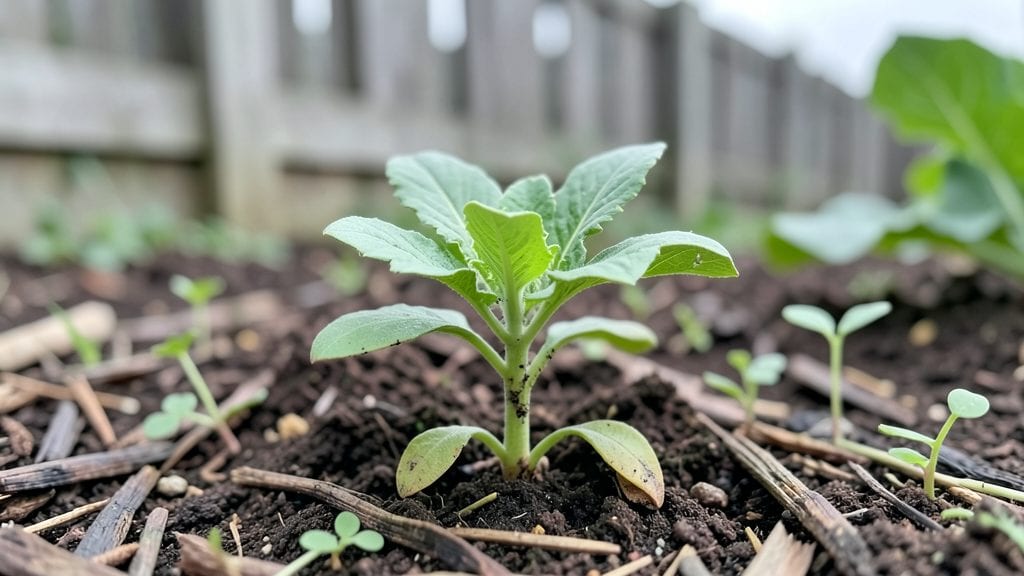
Mastering calendula seedling identification is key—those first true leaves are roundish with jagged edges and a slightly fuzzy texture, nothing like the tiny, smooth cotyledons that show up first. ✨ If you spot these…
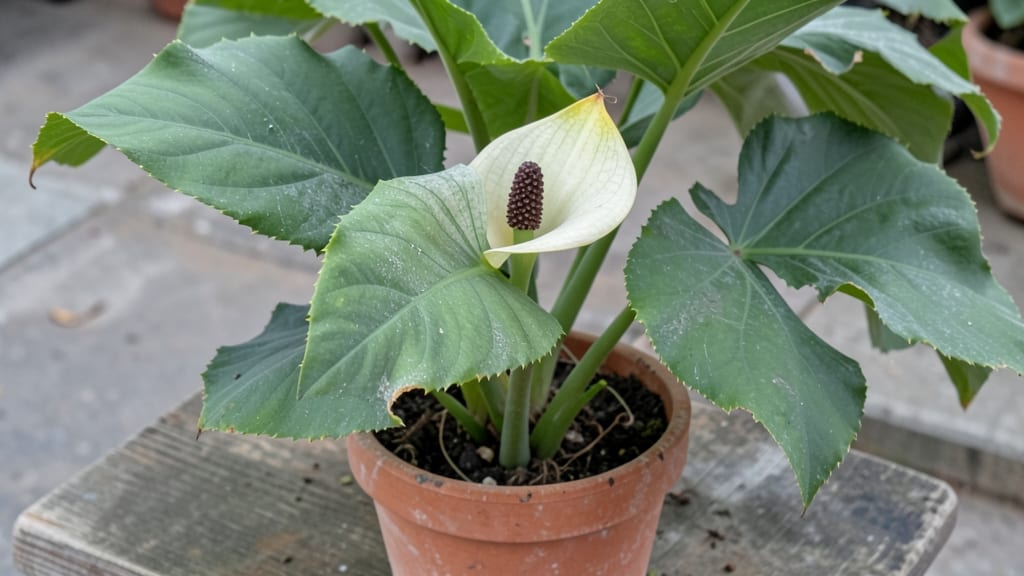
💥 Quick Answer The seeds inside a calla lily flower are sterile and won’t grow into new plants. These ornamental flowers develop seeds as part of their reproductive cycle, but they lack the genetic material needed for…
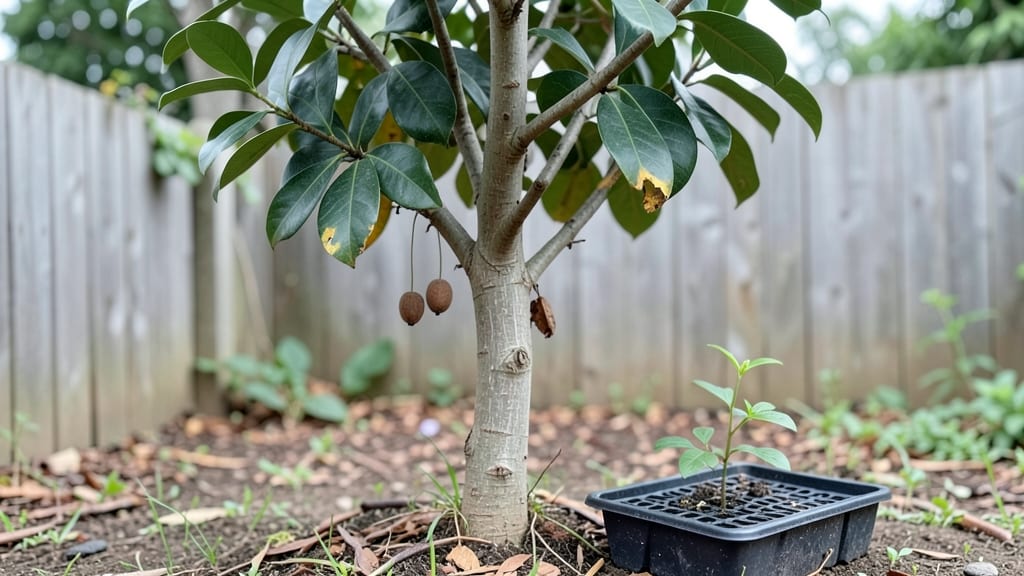
Growing camphor tree seeds from scratch demands patience, but the layered chill method I’ve perfected breaks through the slow-germination barrier. These seeds need cold stratification to mimic their natural dormancy…
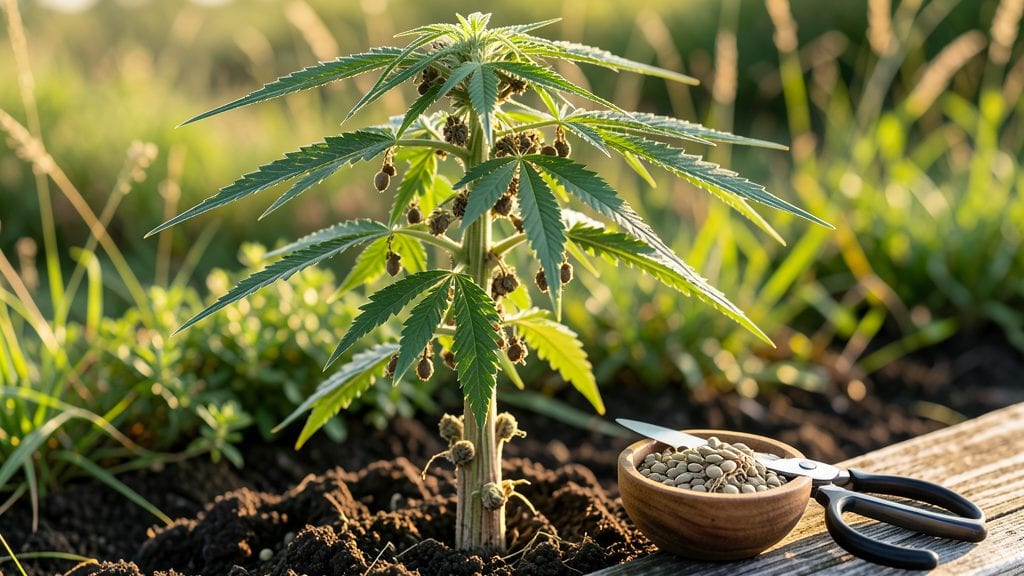
💥 Quick Answer Hemp seeds are safe for birds to eat in moderation, providing essential protein and healthy fats, but overfeeding can cause digestive issues or omega-6 imbalances. Always start with tiny portions and…
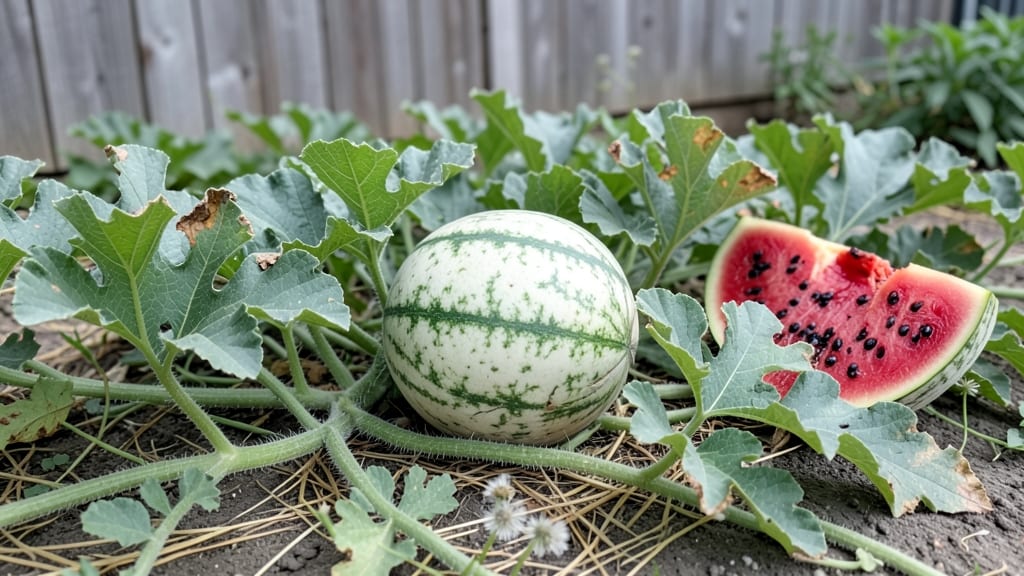
💥 Quick Answer Watermelon seeds are safe for birds to eat in moderation, offering protein and healthy fats without toxicity. However, serve them carefully to prevent digestive issues or choking, particularly for smaller…
💥 Quick Answer Carrot seeds cannot survive frost, as freezing temperatures halt germination and damage delicate seed coats, requiring soil temperatures above 50°F for successful sprouting. Plant in late spring or use…
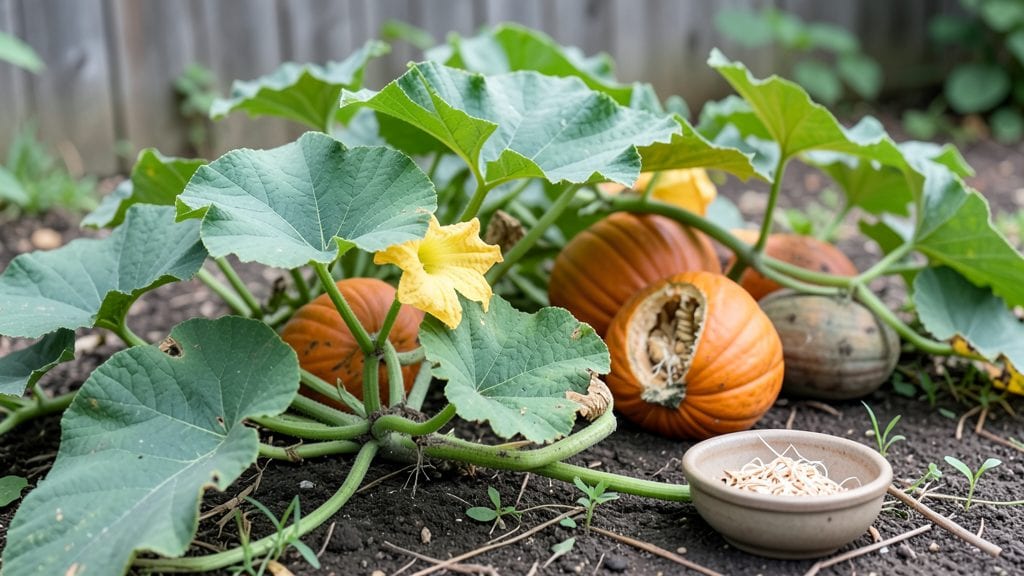
💥 Quick Answer Chickens can eat pumpkin guts and seeds in moderation, offering fiber and essential nutrients, but always discard any moldy or rotting parts to prevent health risks. Serve only fresh, raw pieces in…
💥 Quick Answer Chickens can eat pumpkin seeds with shells, but only if the shells are soft and finely crushed to prevent choking. Whole hard shells pose a serious risk, while raw, uncooked seeds may contain harmful…
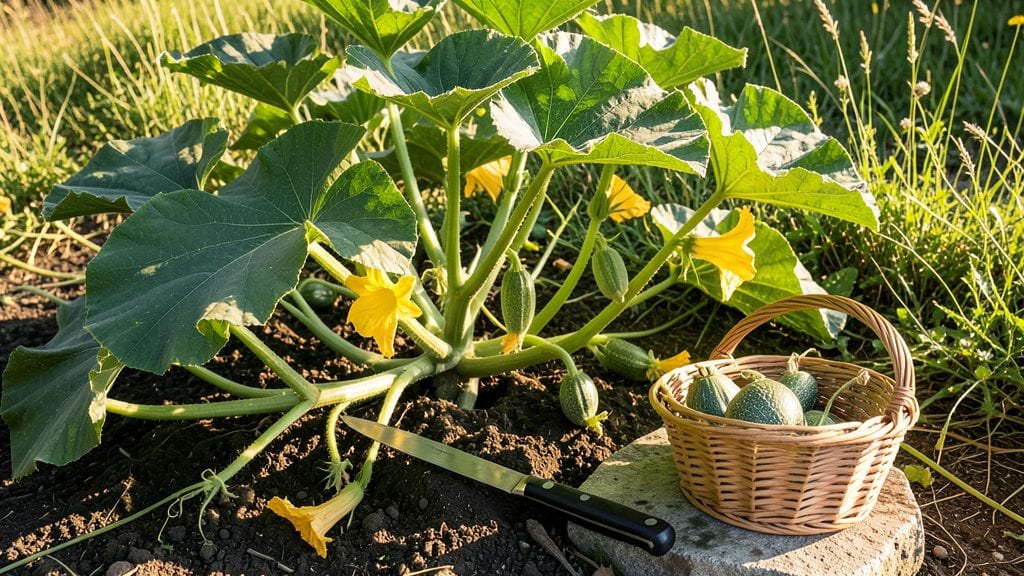
💥 Quick Answer Yes, chickens can eat squash seeds in moderation as a safe, nutrient-rich treat, offering protein and healthy fats. Remove any pumpkin seeds (toxic to chickens) and serve raw, unsalted squash seeds only…
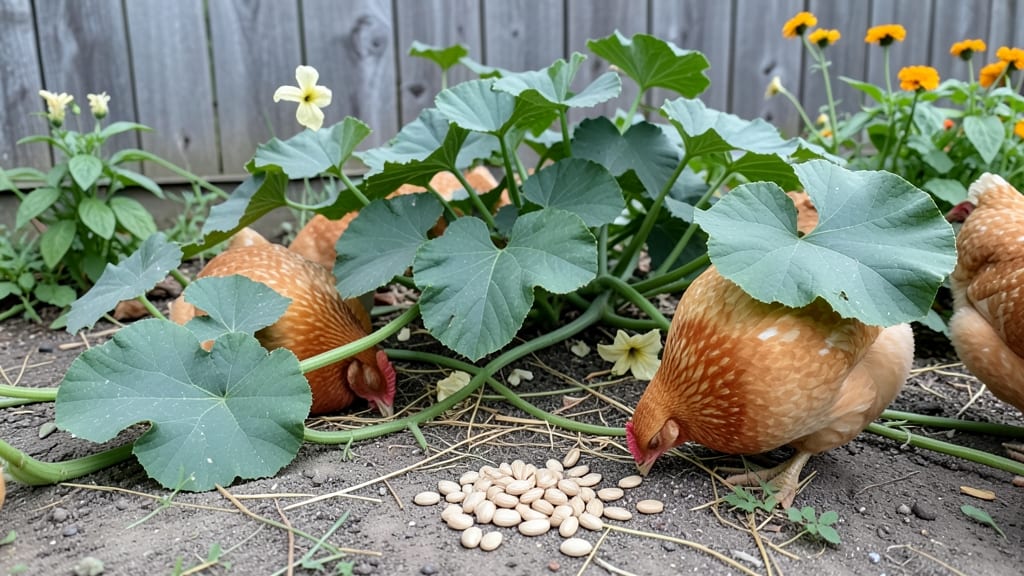
💥 Quick Answer Chickens can eat whole pumpkin seeds in moderation, but only if shelled or crushed to prevent choking, as their hard shells pose a serious risk to small birds. Feed sparingly as treats, not staples, due…