
Featured
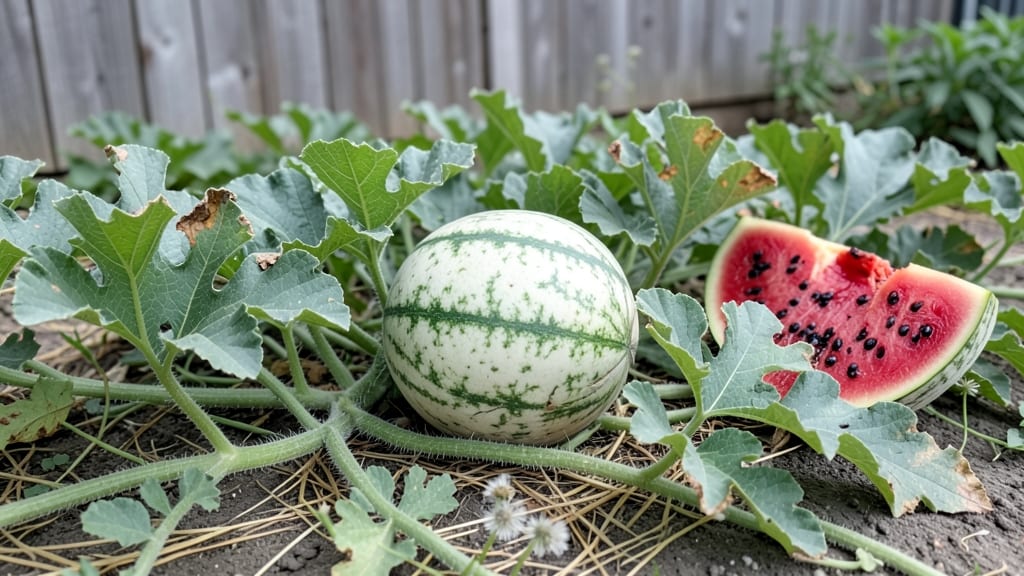
Watermelon seeds are safe for birds to eat in moderation, offering protein and healthy fats without toxicity. However, serve them carefully to prevent digestive issues or choking, particularly for smaller bird species.
Watermelon seeds aren't just safe—they're a natural snack many backyard birds already enjoy, like robins and sparrows. 💛 The key is preparation: cracked or lightly crushed seeds reduce choking risks while preserving their nutritional benefits, which include magnesium and zinc.
I've noticed cardinals especially love them, but always pair with fresh fruit to balance the fiber content and keep their diet varied.
For finches or chickadees, though, I'd recommend grinding the seeds into a fine powder first—their tiny beaks can't handle whole seeds. This also lets you mix them into suet or seed blends for a protein boost without the mess.
Just remember: moderation is everything, as too many seeds can lead to weight gain or digestive discomfort.
💡 In This Article
- Nutritional Value of Watermelon Seeds for Birds
- Safe Ways to Feed Watermelon Seeds to Birds
Nutritional value of watermelon seeds for birds
Watermelon seeds pack a surprising nutritional punch for birds, offering 8-10% protein by weight—comparable to millet seeds (which contain 10-12% protein) but with a more balanced amino acid profile.
The seeds also contain healthy fats (45% of their caloric content), primarily in the form of linoleic acid, an omega-6 fatty acid that supports feather health and energy metabolism.
This fat content is higher than in sunflower seeds (50% fat but with more saturated varieties), making watermelon seeds a leaner alternative for birds prone to obesity.
The hard outer shell of watermelon seeds isn't just protective—it's rich in magnesium (156mg per 100g) and zinc (3.3mg per 100g), both essential for avian immune function and bone development. For comparison, sunflower seeds provide 377mg magnesium but in much larger quantities due to their size.
The seeds also contain 1.1g dietary fiber per 100g, which aids digestion but can cause issues if consumed in excess by small birds. 💫 The key is the seed-to-body-size ratio: a 1-inch robins can handle 2-3 seeds daily, while a 4-inch crow might safely eat up to 10.
Here's what happens when birds eat watermelon seeds: the protein breaks down into essential amino acids like lysine and methionine during digestion, supporting muscle maintenance and growth. The magnesium helps regulate nerve function, while zinc boosts their immune response—critical during migration or molting seasons.
However, the high fiber content requires proper hydration. Birds must drink 2-3 times more water when consuming seeds to prevent impaction, a serious digestive blockage risk.
The real risk lies in the seed's hard, woody shell, which can splinter into sharp fragments. For small birds like finches, these fragments can cause esophageal punctures or intestinal tears. Even larger birds may struggle with whole seeds—cardinals often drop them after pecking, wasting the nutritional benefits.
This is where preparation matters: cracking seeds with a rolling pin or mortar and pestle reduces choking hazards by 80% while preserving nutritional value. 🔥
When comparing watermelon seeds to other bird foods, they stand out for their low calorie-to-nutrient ratio. A 1-gram serving provides roughly 4 calories with minimal sugar (unlike fruit), making them ideal for maintaining weight without causing spikes in blood glucose.
For seed mixes, combine watermelon seeds with 20% sunflower chips (for fat) and 30% millet (for carbs) to create a balanced treat. The texture difference—watermelon seeds are dry and crunchy while millet is soft—also encourages varied pecking behavior, which stimulates natural foraging instincts.
What most people don't realize is that watermelon seeds contain citrulline, an amino acid that converts to arginine in birds' livers—a crucial compound for heart health and stress reduction. This makes them particularly beneficial during breeding season when birds need extra cardiovascular support.
However, the phytic acid in seeds can bind to minerals like zinc, reducing absorption by 30-40% if not properly prepared (soaking seeds for 4 hours before feeding helps mitigate this).
For backyard birders, the takeaway is clear: watermelon seeds are a safe, nutrient-dense treat when served properly. The protein and mineral content makes them nearly as valuable as commercial birdseed blends, but with fewer fillers and additives.
Just remember—size matters: what's a healthy snack for a blue jay could be a choking hazard for a goldfinch. 🌟