
Featured
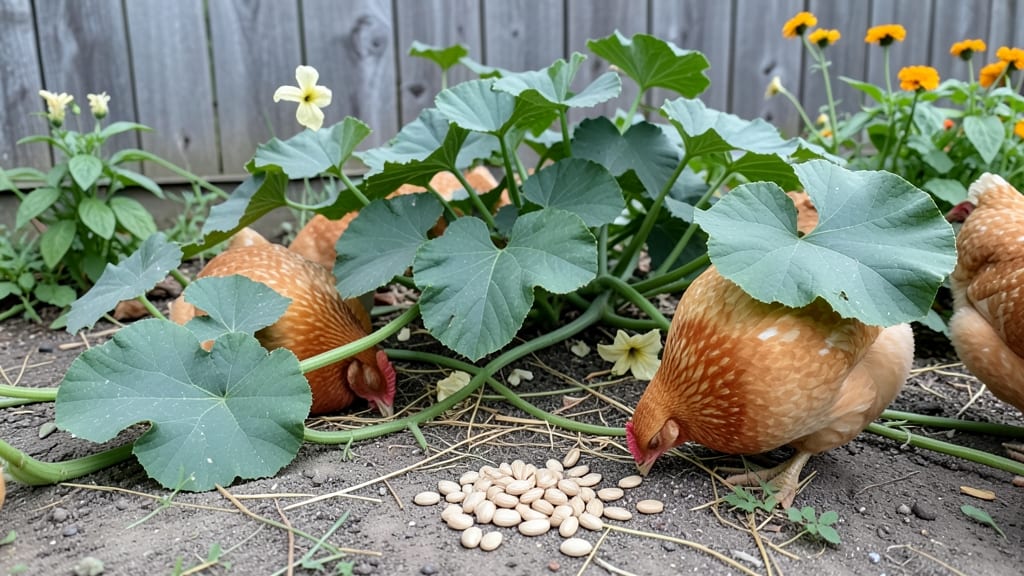
Chickens can eat pumpkin seeds with shells, but only if the shells are soft and finely crushed to prevent choking. Whole hard shells pose a serious risk, while raw, uncooked seeds may contain harmful compounds. Always serve in moderation as a treat, not a staple.
Pumpkin seeds with shells can be a nutritious occasional snack for chickens, but only when prepared correctly. 🐔 The key is removing hard shells—roasting or soaking softens them enough to crush safely, while raw seeds may contain cucurbitacins, a bitter compound that can upset their digestive systems.
I always recommend serving 1-2 tablespoons per chicken weekly as part of a balanced diet, never as a daily staple. Sunflower seeds make a safer alternative if you're unsure about preparation.
When introducing seeds to your flock, watch for signs of distress like lethargy or reduced egg production, which could indicate an intolerance. Cooked seeds also lose some of their natural oils, making them easier to digest.
For maximum safety, I crush the shells into tiny pieces—this eliminates choking risks while still letting your chickens enjoy the protein-rich reward.
💡 In This Article
- Pumpkin Seed Shell Safety for Chickens
- How to Feed Pumpkin Seeds to Chickens Safely
Pumpkin seed shell safety for chickens
Here's what's actually happening with those shells: fresh pumpkin seeds have hard, fibrous shells that can measure up to 0.5 millimeters thick—about the diameter of a human hair. When whole, these shells pose a serious choking hazard for chickens, whose throats are only about 1/2 inch wide.
The risk isn't just about size, though. Hard shells can also cause digestive blockages if they lodge in the gizzard, where chickens grind their food. This is why vets often compare seed shells to "natural gravel" that can cause impaction.
The key factor is shell hardness, which changes dramatically with preparation. Raw pumpkin seed shells contain cucurbitacins—bitter compounds that can irritate a chicken's digestive tract, causing diarrhea or reduced appetite.
Roasting at 350°F for 10-15 minutes not only softens the shells but also reduces these compounds by up to 70%. For comparison, sunflower seed shells remain hard even when roasted, which is why they're rarely fed whole to chickens—most poultry owners crush them first for safety.
What most people don't realize is how cooking transforms the texture. A raw pumpkin seed shell feels like thin cardboard under your fingernail, while a properly roasted shell becomes brittle and crumbly, almost like dried corn husks.
This change is what makes crushing possible—you can grind roasted shells between your fingers into fine particles without special tools. The protein-rich meat inside (about 25% protein by weight) becomes more digestible too, making it a safer snack.
Let's talk about the science behind the toxins: cucurbitacins are natural defense compounds in raw pumpkin seeds that create that bitter taste humans often find unpleasant. For chickens, even small amounts can cause mild gastrointestinal upset, though most healthy birds tolerate cooked seeds well.
The good news? Most commercial pumpkin seeds are already processed to remove these compounds. When choosing seeds for your flock, opt for organic, unsalted varieties that haven't been chemically treated—these will be gentler on delicate digestive systems.
Consider these preparation methods for maximum safety:
- Roasting: Spread seeds on a baking sheet at 350°F for 10-15 minutes, then crush shells with a rolling pin
- Soaking: Submerge seeds in warm water for 4-6 hours to soften shells naturally
- Freezing: Place seeds in a bag and freeze overnight—thawed seeds become easier to crush
The bottom line? While pumpkin seeds offer excellent nutrition, their shells require careful preparation. Unlike sunflower seeds (which chickens rarely eat whole due to their hardness), pumpkin seeds become safe when properly softened.
Always introduce new foods gradually—start with 1 teaspoon per chicken and watch for any signs of discomfort over 24 hours before offering more. 💫