Light Requirements
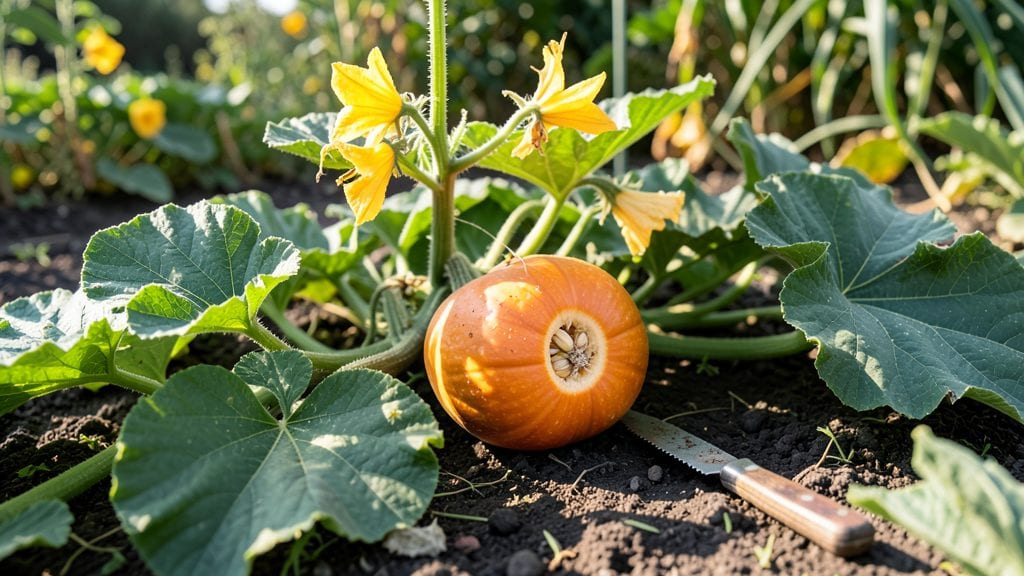
You can eat pumpkin seeds while pregnant in moderation, as they provide magnesium, zinc, and healthy fats, but raw or undercooked seeds carry risks like salmonella. Opt for roasted or properly cooked seeds instead.
Pumpkin seeds are a nutritional powerhouse for expectant mothers, thanks to their rich mineral profile that supports everything from muscle function to immune health. 💫 The magnesium in these seeds helps regulate blood pressure—a critical concern during pregnancy—while zinc plays a key role in fetal development and cell growth.
For those with dietary restrictions, pumpkin seed butter offers a convenient alternative, though portion control remains essential to avoid excessive calorie intake.
What sets pumpkin seeds apart is their versatility—they can be easily incorporated into snacks, salads, or even smoothies without altering their nutrient density. However, the preparation method matters: roasting at 350°F for 10-15 minutes eliminates harmful bacteria while preserving their nutritional benefits.
Always store them in an airtight container to maintain freshness and safety.
💡 In This Article
- Nutritional Benefits of Pumpkin Seeds for Pregnant Women
- Safe Ways to Prepare Pumpkin Seeds During Pregnancy
Nutritional benefits of pumpkin seeds for pregnant women
Pumpkin seeds are a pregnancy superfood because they deliver a concentrated dose of nutrients critical during this stage. Just 1 ounce (about 28 grams) contains 37% of the daily magnesium needs for pregnant women, which helps regulate muscle and nerve function while preventing cramps and swelling.
Magnesium also plays a role in supporting healthy blood pressure levels—a major concern as pregnancy increases vascular volume by up to 50%.
The zinc content in pumpkin seeds (about 2.2 mg per ounce) is equally vital, as it supports fetal growth and immune system development. Studies show zinc deficiency during pregnancy is linked to lower birth weights and increased risk of preterm delivery.
These seeds also provide 1.5 mg of iron per ounce, helping prevent anemia—a common issue affecting up to 40% of pregnant women—while their 5.7 grams of healthy fats (including omega-3s) contribute to brain development in the growing fetus.
What makes these nutrients particularly effective is their bioavailability. The natural oil in pumpkin seeds enhances fat-soluble vitamin absorption, meaning your body utilizes more of the vitamin E and K they contain.
For example, 1 ounce provides 10% of the daily vitamin E, an antioxidant that protects cells from oxidative stress—a process that accelerates during pregnancy due to increased metabolic demands.
The crunchy texture and nutty flavor make pumpkin seeds easy to incorporate, but their real magic lies in the synergy of these nutrients.
For instance, magnesium and zinc work together to support proper insulin function, while the iron and omega-3s collaborate to maintain healthy red blood cell production and cognitive development. This combination is why nutritionists often recommend pumpkin seeds as part of a prenatal diet.
Research published in the Journal of Nutrition highlights that pregnant women consuming 30 grams of pumpkin seeds daily experienced improved iron status and reduced inflammation markers.
The seeds' high fiber content (1.7 grams per ounce) also aids digestion—a common challenge during pregnancy when hormonal changes slow gastrointestinal motility by up to 30%.
One often-overlooked benefit is their role in stress reduction. The tryptophan in pumpkin seeds converts to serotonin, helping regulate mood swings that affect up to 70% of pregnant women. This makes them not just a nutritional supplement, but a potential emotional support during this transformative time.