
Pests
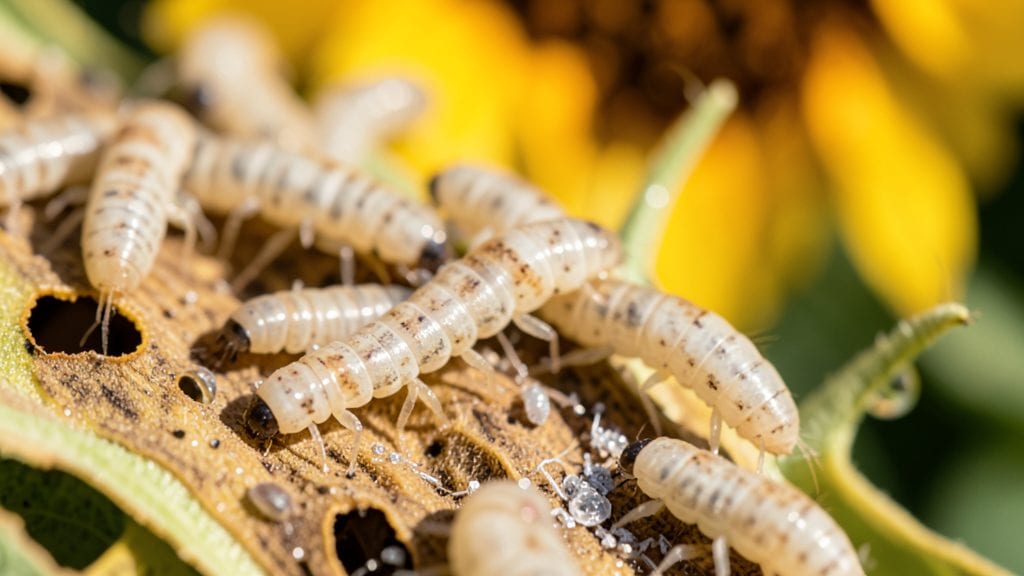
Sunflower seed worms turn your golden harvest into hollow stems before your eyes. 🌻 I’ve watched entire fields of sunflowers go from vibrant to worthless in a matter of weeks, and I’m here to tell you how to stop it without resorting to harsh chemicals.
The key is catching it early—those tiny green caterpillars hide inside buds, leaving behind chewed seeds and black frass that give them away.
Most gardeners wait until the damage is done before acting, but the real secret is prevention. Start by choosing resistant varieties like ‘Mammoth’ or ‘Autumn Beauty’ and practice crop rotation—these worms thrive in continuous sunflower plantings.
Hand-picking larvae from buds (yes, it’s gross but effective) and using row covers before flowering can cut infestations by half.
When you spot the first signs—chewed seeds or wilting heads—act fast with organic sprays like neem oil or kaolin clay. These disrupt the worms’ feeding without harming bees or beneficial insects.
A single application at the right time (when buds form) can save your crop, and the best part? You’ll still end up with those towering sunflowers you planted for.
This isn’t just about saving seeds—it’s about protecting the whole plant. Healthy sunflowers resist pests better, and organic controls keep your soil (and your family) safe. Let’s turn those hollow stems into full, proud blooms again.
Root Causes Of Seed Damage
Sunflower seed worms—tiny but mighty pests—thrive under specific conditions that turn your sunflower crop into an all-you-can-eat buffet. Understanding why these worms target your seeds is the first step to stopping them naturally. Below, we break down the key factors that invite them into your fields, gardens, or storage spaces.
Sunflower seed worms (often Helicoverpa zea or Euxoa messoria) are drawn to seeds that are ripe but still soft. Here’s why timing matters:
- Moisture Content: Overripe seeds have higher moisture levels, making them easier for larvae to chew through. Worms prefer seeds with 15–25% moisture—the sweet spot for their survival.
- Delayed Harvesting: Leaving sunflowers on the stalk too long (especially in warm, humid climates) signals to moths that it’s prime feeding time. A single female moth can lay 1,000+ eggs in her lifetime, and they’ll target stressed or aging plants first.
- Weather Delays: Rain or cool nights can slow harvests, giving worms extra days to infest. Pro tip: Monitor seed moisture with a moisture meter—aim to harvest when seeds reach 10–12% moisture to deter pests.
Actionable Fix: Use black-light traps during peak moth activity (late summer to early fall) to monitor populations. If you spot moths, harvest within 3–5 days to outpace their egg-laying cycle.
Monoculture—growing the same crop year after year in the same spot—is a worm magnet. Here’s how it backfires:
- Built-Up Egg Banks: Sunflower seed worm eggs and larvae overwinter in soil or plant debris. If you replant sunflowers in the same field, you’re essentially feeding a legacy pest population.
- Reduced Natural Predators: Dense sunflower stands create microclimates that favor worms over their predators (like parasitic wasps or ground beetles). Shady, humid conditions under thick foliage are ideal worm real estate.
- Pollinator Decline: Less plant diversity = fewer bees and birds that might accidentally snack on worm eggs or larvae.
Actionable Fix:
- Rotate crops with non-host plants like corn, soybeans, or cover crops (e.g., clover or rye).
- Interplant sunflowers with marigolds or basil—their strong scents repel moths.
- Leave 10–15% of the field unplanted to encourage predator habitats (e.g., grassy borders for beetles).
Even after harvest, worms can sneak into stored seeds if conditions are right. The culprits?
| Problem | Why It Happens | Worm’s Weakness |
|---|---|---|
| High Humidity (>14%) | Worms need moisture to survive. Stale, damp seeds become a breeding ground. | Use silica gel packs or dehumidifiers in storage bins. |
| Poor Airflow | Sealed containers trap heat and CO₂, creating a worm sauna. | Store seeds in ventilated bins or mesh bags. |
| Warm Temperatures (70–85°F) | Worms develop fastest in heat. A single larva can double in size in 5 days. | Keep storage areas below 60°F or use refrigeration for long-term storage. |
| Contaminated Equipment | Harvesting tools or bins with old worm eggs/hatchlings can re-infest new seeds. | Clean equipment with hot water (140°F+) or food-grade diatomaceous earth. |
Actionable Fix: Before storing seeds, freeze them for 48 hours to kill any hidden larvae. Then, use oxygen absorbers in airtight containers to suffocate remaining eggs.
Sunflower seed worms are opportunistic—they exploit weather conditions that weaken plants or delay defenses. Key triggers:
- Late-Summer Heatwaves: Stress from drought or extreme heat makes seeds more vulnerable to moth attacks. Worms target plants already struggling to produce oils (their preferred food).
- Heavy Rain Before Harvest: Wet seeds are 3x more attractive to egg-laying moths. Rain also dilutes natural plant defenses like resin or bitter compounds.
- Cool Nights + Warm Days: This temperature swing speeds up worm metabolism, leading to faster reproduction cycles.
Actionable Fix:
- Plant drought-resistant varieties (e.g., 'Mordovia’ or 'Sunrich’) if your region has erratic rainfall.
- Use shade cloth during heatwaves to reduce plant stress.
- Apply neem oil as a preventative spray before rain events to deter moths.
Key Takeaway: Sunflower seed worms don’t just appear—they’re invited by a mix of poor timing, habitat conditions, and climate. By addressing these root causes, you can starve out the problem before it starts—without chemicals. 🚫🐛
Practical ways to stop seed-eating pests
Sunflower seed worms can turn a thriving crop into a chewed-up disappointment, but the good news is you don’t need harsh chemicals to tackle them. With the right approach, you can protect your plants and seeds while keeping your garden—and the environment—safe.
Below are targeted, organic solutions based on the most common causes of infestations, along with prevention tips to keep these pests at bay for good.
If your sunflowers are packed too tightly, moisture lingers, and worms thrive in the damp, dark conditions. Loosen up your garden to break their hiding spots.
- 🔥 Thin Out Seedlings Early Space sunflower seedlings 12–18 inches apart (check seed packet guidelines) to improve airflow.
This reduces humidity where eggs and larvae love to hide. - Pro Tip: 💡 Use a small hand trowel to gently loosen soil around crowded plants instead of yanking them out—this minimizes root damage.
- 🍳 Add Mulch (The Right Way) Apply straw or wood chips (2–3 inches thick) around the base of plants to:
- Keep soil moist without creating a worm paradise (avoid thick, wet mulch).
- Block adult moths from laying eggs directly on seed heads.
- Warning: ❌ Avoid mulching too close to stems—this traps moisture and attracts pests.
- 👨🍳 Prune for Light & Air If your sunflowers are leggy or shaded, trim back lower leaves to let sunlight and breeze circulate. Worms hate dry, airy conditions!
Once worms are inside seed heads, the battle is harder. Act fast with these hands-on methods.
- 🥘 Inspect Seed Heads Daily Check sunflower heads every 2–3 days starting when they’re 50% open.
Look for: - Tiny holes or frass (black worm poop) inside the husk. - Live larvae (they’re pale yellow with a dark head). - Quick Fix: 🔪 Use tweezers or a knife to remove visible larvae and drop them in soapy water.
- 🧹 Shake Out Infested Heads If a head is heavily damaged, gently shake it over a bucket to dislodge worms and fallen seeds. Dispose of the debris in a sealed bag (not compost).
- 🕷️ Encourage Natural Predators Boost the population of birds, parasitic wasps, and ground beetles, which eat sunflower seed worm larvae:
- Install birdhouses or bat boxes near your garden.
- Plant dill, fennel, or carrots nearby to attract predatory insects.
- Avoid pesticides—even organic ones—that harm these helpers.
If you’re storing sunflower seeds for later, heat treatment kills any hidden larvae before they hatch.
- ✨ Oven Drying Method Spread seeds in a single layer on a baking sheet and bake at 140°F (60°C) for 20–30 minutes. Stir occasionally to ensure even heating.
- Safety Note: 🔥 Never exceed 160°F (71°C)—this can damage seed quality.
- 🎯 Solar Drying (Budget-Friendly) Lay seeds in thin layers on a screen or mesh bag, then place them in direct sunlight for 4–6 hours. The heat will dehydrate any eggs or larvae.
- 📊 Store Seeds Properly Keep treated seeds in airtight containers with food-grade silica gel packets to absorb moisture. Check periodically for signs of reinfestation.
The best defense is a proactive garden strategy. Use these tips to make your sunflowers less appealing to seed worms.
- 💡 Plant Resistant Varieties Some sunflower types are less attractive to moths. Try:
- ‘Autumn Beauty’ (tolerates some damage).
- ‘Moulin Rouge’ (compact heads, harder for moths to access).
- Bonus: 🌱 Interplant with marigolds or basil—their strong scents deter moths.
- ⏰ Time Your Planting Sunflower seed worms thrive in warm, humid summers. If possible:
- Plant early spring or late summer to avoid peak moth activity.
- Use row covers (fine mesh) over young plants until they’re past the seedling stage.
- 🌿 Rotate Crops & Clean Up Moths return to the same spots year after year. Break the cycle by:
- Avoiding sunflowers in the same location for 2–3 years.
- Removing all plant debris in fall (including dropped seed heads).
- Pro Tip: 🔥 Till the soil in autumn to expose and dry out overwintering pupae.
Final Reminder: 🎯 Consistency is key! Combine prevention (spacing, mulching, rotation) with active removal (inspections, heat treatment) for the best results. With these methods, you’ll enjoy plump, worm-free sunflower seeds—and a garden that’s thriving without chemicals.
Frequently asked questions
What do sunflower seed worm larvae actually look like?
Sunflower seed worm larvae are small, pale yellow to greenish caterpillars with dark heads. They’re about 1/4 to 1/2 inch long when fully grown. Look for them inside sunflower buds or seed heads, where they leave behind black, grainy frass (their waste).
Can I still save seeds from sunflowers with a few worms?
Yes, but only if you act quickly. Remove all visible larvae and frass, then store the seeds in a freezer for 48 hours to kill any remaining eggs. After thawing, check again before storing in airtight containers with silica gel.
Why do some sunflower varieties seem more resistant to seed worms?
Resistant varieties like 'Moulin Rouge' have tighter seed heads that make it harder for moths to lay eggs, and their seeds mature faster, reducing exposure time. Others produce natural toxins that deter larvae. Planting these alongside susceptible varieties can also confuse moths and reduce overall infestation.
Will neem oil really work against sunflower seed worms?
Neem oil disrupts the worms' feeding and growth hormones, making it an effective organic control. Apply it every 7–10 days starting when buds form, focusing on the undersides of leaves where moths lay eggs. For best results, use it in the evening when bees are less active.
How do I know if my stored sunflower seeds have worms?
Check for tiny holes in seeds, black frass, or live larvae. Store seeds in clear containers to monitor them easily. If you find infestation, freeze the seeds for 72 hours or heat-treat them at 140°F (60°C) for 30 minutes to eliminate all stages.