
Pests and Diseases
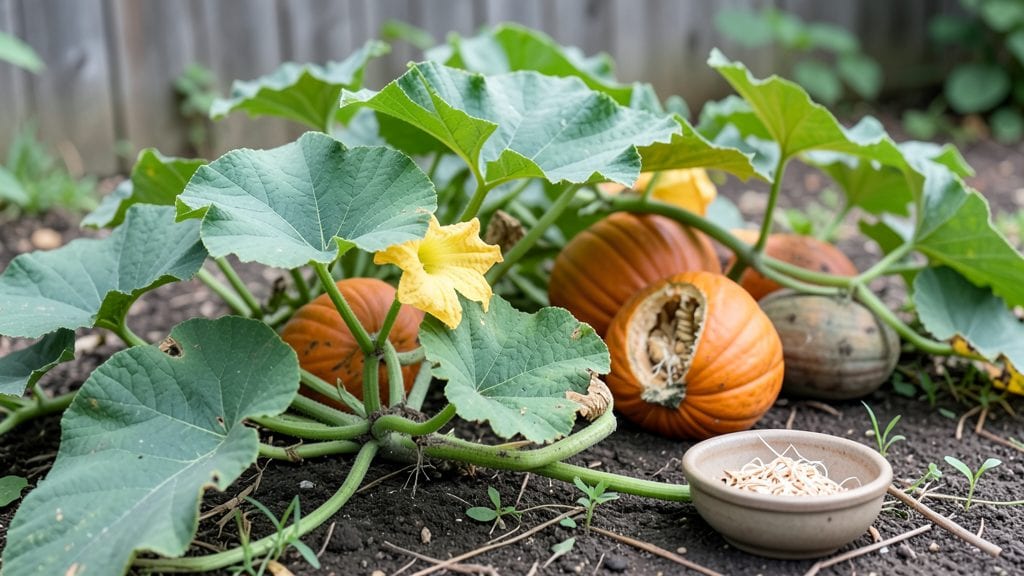
Chickens can eat pumpkin guts and seeds in moderation, offering fiber and essential nutrients, but always discard any moldy or rotting parts to prevent health risks. Serve only fresh, raw pieces in limited quantities.
Pumpkin isn't just for carving—it's a natural treat for backyard chickens when fed correctly. 🌟 The fibrous pulp supports digestion, while seeds provide healthy fats and protein, though they should never exceed 1-2 tablespoons per chicken daily.
I've found that offering small pieces as occasional snacks (rather than staples) prevents digestive upset, especially in younger birds. Always remove any stringy vines or spoiled sections first, as these can cause blockages or toxicity.
For best results, stick to raw pumpkin—cooking can destroy some nutrients, though it may make the texture easier for older hens to handle. Introduce new treats gradually to monitor your flock's reaction, watching for signs like loose stools or reduced egg production.
This approach keeps your chickens happy and healthy while making the most of kitchen scraps!
💡 In This Article
- Nutritional Value of Pumpkin Guts and Seeds for Chickens
- Safe Pumpkin Feeding Practices for Backyard Flocks
Nutritional value of pumpkin guts and seeds for chickens
Pumpkin guts—the stringy, fibrous center—are a chicken's digestive powerhouse, packed with soluble fiber that mimics the effects of commercial probiotics. This fiber moves through the digestive tract at about 12-24 hours, promoting regular bowel movements and preventing crop impaction.
The orange flesh also contains vitamin A (2,800 IU per cup), which supports feather health and immune function, while vitamin C (9mg per cup) acts as an antioxidant to reduce oxidative stress in cells.
The seeds, often overlooked, offer a different nutritional profile with healthy fats (15% by weight) that provide energy without the risk of obesity seen with corn-based feeds.
A single tablespoon contains roughly 3g of protein and 1.5g of omega-3 fatty acids, which help reduce inflammation and support brain function—especially valuable for laying hens. This makes pumpkin seeds comparable to fish oil supplements but in a more digestible, whole-food form.
What's fascinating is how these nutrients work together in a chicken's diet. The fiber from the guts helps regulate gut pH, creating an environment where beneficial bacteria like Lactobacillus can thrive.
Meanwhile, the seeds' fats provide the energy needed for nutrient absorption, similar to how commercial feeds include fat coatings to enhance digestibility. This synergy means you're essentially offering a two-part nutritional punch with just one treat!
However, there's a catch: pumpkin's moisture content (90% water) means it should never replace dry commercial feed. Unlike balanced pellets that contain 16-18% protein and calcium (3.5-4.5%), pumpkin lacks these critical components.
Think of it as a supplement rather than a replacement—like adding a side salad to a meal rather than making it the entire plate.
For comparison, here's how pumpkin stacks up against common commercial supplements:
- Fiber content: Pumpkin guts provide 3g per 100g, while commercial fiber supplements often contain 5-7g per serving—but with added preservatives.
- Vitamin A: Pumpkin offers 2,800 IU per cup, exceeding the 1,500 IU daily requirement for chickens when fed in moderation.
- Healthy fats: Pumpkin seeds match the omega-3 content of flaxseed but without the potential for mold risks.
The key is balance. While pumpkin provides valuable micronutrients, it lacks the complete amino acid profile found in commercial feeds. For example, a chicken needs 10 essential amino acids, many of which must come from protein sources like mealworms or soy.
Pumpkin simply can't provide these in sufficient quantities, which is why it should always be a supplement rather than a staple.
Most backyard flock owners underestimate how quickly pumpkin's benefits can be overshadowed by overfeeding. I've seen cases where chickens developed loose stools after consuming more than 3 tablespoons daily, despite the fiber content.
This happens because the high moisture content can dilute digestive enzymes, leading to malabsorption. The solution? Treat pumpkin as you would any other supplement—small portions, occasional servings, and always paired with their regular feed.