
Flowers
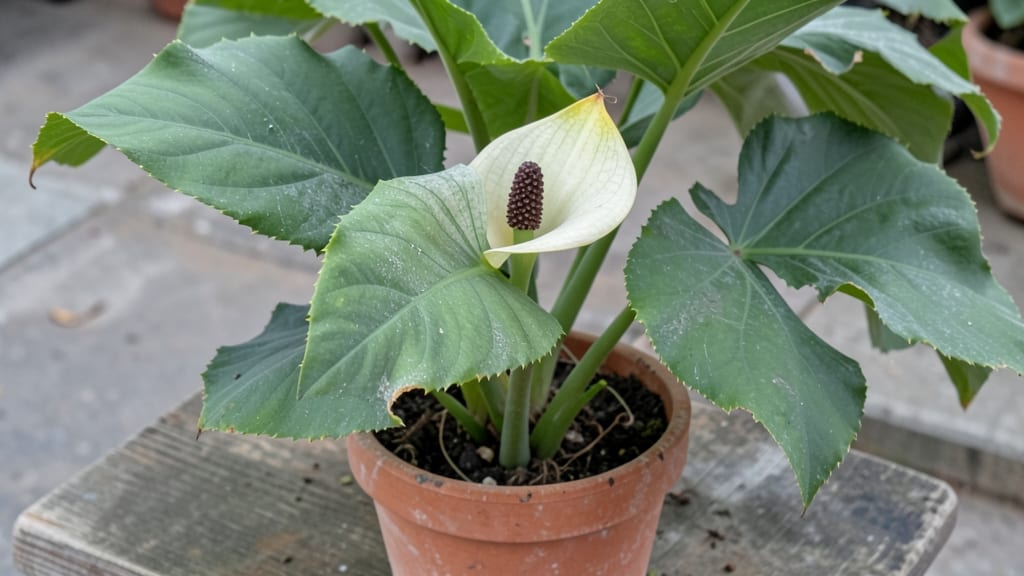
The seeds inside a calla lily flower are sterile and won’t grow into new plants. These ornamental flowers develop seeds as part of their reproductive cycle, but they lack the genetic material needed for germination, making them purely decorative.
The calla lily’s sterile seeds are a common point of confusion for gardeners, especially since the flowers look so fertile. 🌸 Unlike wild calla lilies, most cultivated varieties are hybrids bred for their striking appearance rather than reproduction.
The seeds you see inside the flower—often called "berries"—are actually false fruits that form from the plant’s spadix, but they contain no viable pollen or ovules. This means even if you tried to plant them, they’d never sprout.
What’s fascinating is how this trait benefits gardeners: it ensures the plant’s energy goes into producing vibrant blooms instead of seeds. If you’re eager to grow more calla lilies, your best bet is rhizome division—a simple, reliable method that preserves the parent plant’s traits.
Just dig up the tubers in early spring, separate the healthy sections, and replant them in well-draining soil with bright, indirect light.
💡 In This Article
- Why Calla Lily Flowers Produce Non-Viable Seeds
- How to Grow Calla Lilies Without Seeds
Why calla lily flowers produce non-viable seeds
Most calla lilies you see in gardens or florist shops belong to the Zantedeschia genus, which has been selectively bred for decades to emphasize dramatic foliage and showy blooms.
These cultivars are sterile hybrids, meaning their reproductive systems have been altered through crossbreeding to prioritize ornamental traits over seed production. The spadix—that finger-like structure in the center of the flower—should theoretically produce pollen and ovules, but in commercial varieties, it often develops non-functional anthers or empty ovules.
The seeds you spot inside calla lily flowers aren’t true seeds at all—they’re false fruits called berries, which form from the plant’s ovary but contain no viable genetic material.
Under a microscope, you’d see these "seeds" are actually shriveled and empty, lacking the embryo or endosperm needed for germination. Even if you planted them, they’d fail to sprout because the genetic material required for growth is missing.
This is similar to how seedless watermelons develop—through controlled breeding to eliminate reproductive structures.
Here’s what’s actually happening botanically: The plant’s energy is redirected from seed production to flower and leaf development. In nature, wild calla lilies produce viable seeds, but cultivated varieties have undergone generations of selective breeding to enhance traits like color vibrancy, spathe shape, and bloom duration.
This process often sacrifices reproductive capability. For example, the popular Zantedeschia aethiopica (white calla lily) is a classic sterile cultivar where the spadix may produce tiny, non-viable "seeds" that crumble when touched.
You might wonder why nurseries still sell these plants if they don’t reproduce. The answer lies in their propagation method: gardeners rely on rhizome division instead. Each rhizome contains dormant buds that can grow into identical plants, preserving the parent’s traits perfectly.
This is why calla lilies are so consistent in appearance—unlike seed-grown plants, which can exhibit unpredictable variations. The trade-off is clear: showy flowers now, no seeds ever.
There’s one exception to this rule: some heirloom or wild-type calla lilies still produce viable seeds, but these are rare in commercial markets.
If you’re lucky enough to find one, the seeds would need stratification (a cold treatment to simulate winter) and high humidity to germinate—conditions that mimic their natural tropical habitat. Even then, the resulting plants might not match the parent’s appearance due to genetic recombination.
The takeaway? Those tiny "seeds" inside your calla lily are a botanical red herring, a leftover from the plant’s evolutionary past that serves no functional purpose in modern cultivars. 🌿 They’re a reminder of how human intervention can reshape nature—sometimes for beauty, sometimes for convenience, but always with trade-offs.