Featured
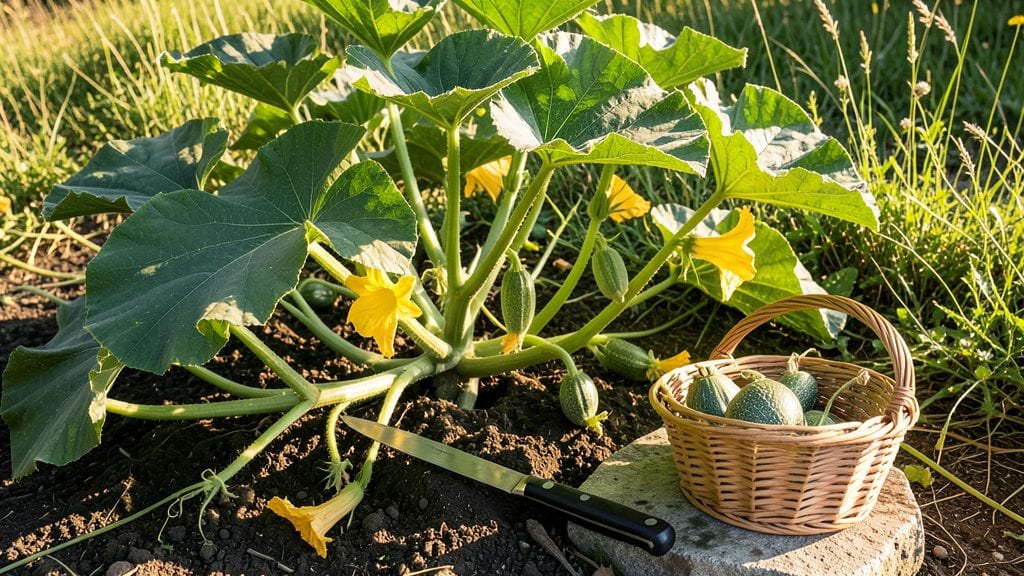
Yes, chickens can eat squash seeds in moderation as a safe, nutrient-rich treat, offering protein and healthy fats. Remove any pumpkin seeds (toxic to chickens) and serve raw, unsalted squash seeds only.
Squash seeds are a fantastic snack for chickens because they pack a punch of healthy fats and plant-based protein—think of them as nature's multivitamin. 🌱 The seeds also contain minerals like magnesium and zinc, which support feather health and immune function.
However, too many at once can lead to weight gain or digestive upset, so I always recommend offering them as a supplement rather than a staple. For example, a handful per chicken a few times a week keeps them happy without overdoing it.
When preparing these treats, focus on freshness and simplicity. Rinse the seeds thoroughly to remove any dirt or pesticides, then serve them raw or lightly toasted in a dry pan.
Avoid seeds from store-bought squash that may contain preservatives or additives, and never feed pumpkin seeds—they're toxic to chickens. Store leftover seeds in an airtight container in a cool, dry place to preserve their nutritional value.
💡 In This Article
- Nutritional Value of Squash Seeds for Chickens
- Safe Ways to Feed Squash Seeds to Your Flock
Nutritional value of squash seeds for chickens
Squash seeds are a nutritional powerhouse for chickens, offering a balanced mix of 18-20% protein by dry weight—similar to what you'd find in a high-quality chicken feed. This protein content supports muscle development and egg production, especially in laying hens.
The seeds also contain healthy fats (40-50% of their calorie content), primarily in the form of omega-3 and omega-6 fatty acids, which chickens can't synthesize on their own.
These fats contribute to feather quality and overall energy levels, making them a valuable supplement during molting seasons or cold weather. 🔥
The mineral profile of squash seeds is equally impressive. A single 1-ounce serving (about 28 grams) contains roughly 10% of a chicken's daily magnesium needs, which aids in nerve function and bone strength. Zinc, another key mineral, supports immune function and wound healing—critical for flock health.
Phosphorus in squash seeds also plays a role in calcium absorption, ensuring strong eggshells. For comparison, a chicken's daily diet should include about 0.45% phosphorus, and squash seeds provide a natural, easily digestible source of this mineral.
What makes squash seeds particularly beneficial is their high fiber content (around 25-30%), which promotes healthy digestion. Chickens have a unique digestive system that relies on gut microbes to break down fibrous materials, and the natural fiber in squash seeds helps maintain a balanced gut flora.
This is especially important for preventing issues like crop impaction or pasty butt, common problems in chickens fed diets too low in fiber. The seeds' coarse texture also stimulates natural pecking behavior, providing mental stimulation for your flock. 💛
However, moderation is key because squash seeds are calorie-dense. Overfeeding can lead to obesity, which increases the risk of heart disease and mobility issues in chickens. A general guideline is to offer no more than 1-2 tablespoons per chicken per week, depending on their size and activity level.
For example, a 6-pound hen might tolerate slightly more than a 2-pound chick. Always introduce new treats gradually to monitor your flock's reaction and adjust portions accordingly.
The fat content in squash seeds also means they should be fed in smaller quantities during warmer months. Chickens regulate their body temperature through panting, and excess fat can make them more susceptible to heat stress.
In cooler weather, however, these seeds can provide much-needed calories to help chickens maintain body heat. The key is observing your flock's behavior—if they become lethargic or stop laying eggs, it may be a sign they're receiving too much of a good thing. ✨
One often-overlooked benefit is the antioxidant content in squash seeds, particularly vitamin E and carotenoids. These compounds help reduce oxidative stress in chickens, which can improve longevity and reduce the risk of chronic diseases.
For instance, vitamin E supports cell membrane integrity, while carotenoids contribute to the vibrant color of egg yolks—a visual indicator of a healthy diet. When you serve squash seeds, you're not just offering a snack; you're providing a multi-faceted health boost that enhances both their physical and reproductive well-being. 🌟
To maximize these benefits, always choose organic or homegrown squash seeds when possible. Store-bought seeds may contain pesticides or preservatives that could harm your chickens.
If you're saving seeds from your garden, let them dry completely in the sun before offering them to your flock—this ensures they're safe and easy to digest.
The natural oils in fresh seeds can go rancid if stored improperly, so keep them in an airtight container in a cool, dark place. This simple step preserves their nutritional value for weeks, making them a convenient and healthy treat year-round. 💫