
Trees
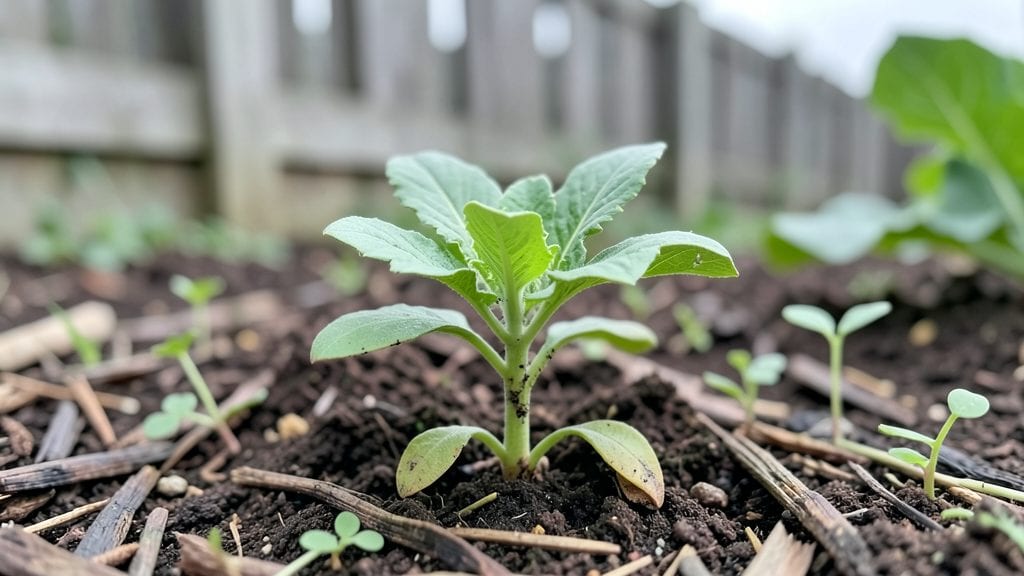
Mastering calendula seedling identification is key—those first true leaves are roundish with jagged edges and a slightly fuzzy texture, nothing like the tiny, smooth cotyledons that show up first. ✨ If you spot these, you're looking at the real deal.
False stems often trick gardeners into thinking they've got seedlings, but those are just the first leaves from the seed itself. Calendula's true leaves grow in pairs along the stem, spaced about 1 inch apart, while weeds or misidentified plants usually have random, uneven spacing.
Compare them side by side if you're unsure.
Once you confirm those fuzzy, round leaves, you're ready for the next step: thinning or transplanting. Strong seedlings with vibrant green leaves will reward you with blooms in as little as 6-8 weeks, while weak or leggy ones should be removed to prevent competition.
A quick check now means fewer headaches later.
This method works for both garden beds and containers, and the same rules apply whether you're starting from seeds or seedlings. Keep an eye out for pests like aphids, which love young calendula leaves—early identification means early action to protect your future blooms.
Root Causes Of Misidentification
When it comes to calendula seedling identification, confusion often arises because young plants can look deceptively similar to other species—or even to their own stems. Understanding the underlying reasons helps gardeners and growers spot true seedlings before they’re lost in the mix.
Here’s why misidentification happens, broken down into clear, actionable causes:
Calendula seedlings start with cotyledons—the first "leaves" that emerge from the seed. These are often round, thick, and lack the distinct veining of true leaves. The problem?
Many garden weeds (like chickweed or mustard greens) produce similarly shaped early leaves, leading to accidental weeding of your calendula before it develops its signature pinnate, jagged-edged foliage.
Why it happens:
- Timing confusion: Cotyledons appear before true leaves, and if you’re not familiar with calendula’s lifecycle, you might assume the seedling is a weed.
- Environmental stress: Poor light or cold temperatures can stunt growth, making cotyledons persist longer and look more like broadleaf weeds.
- Species overlap: Some wildflowers (e.g., Calendula officinalis hybrids) have early growth phases that resemble Sonchus oleraceus (sow thistle) or Raphanus raphanistrum (wild radish).
Actionable fix: Wait 7–10 days after germination before weeding. True calendula leaves will unfurl with a deeply lobed, serrated edge and a slightly hairy texture.
Calendula seedlings can develop false stems—elongated, thin growths that resemble stems but are actually petioles (leaf stalks) or misplaced cotyledons. These look like weak, leggy stems, especially in low-light conditions, and can be mistaken for disease or pest damage.
Why it happens:
- Light deprivation: In shady or overcrowded trays, seedlings stretch (etiolation) to reach light, creating thin, pale "stems" that aren’t true stems at all.
- Overwatering: Excess moisture softens cell walls, causing petioles to elongate and flop, mimicking weak stems.
- Genetic quirks: Some calendula varieties (like Calendula ‘Moonlight’) produce more pronounced petioles early on, confusing growers.
Actionable fix:
- 🔍 Check leaf attachment: True stems have leaves growing directly from the node (where the stem meets the leaf). False stems have leaves dangling from a thin stalk.
- 🌞 Boost light: Move seedlings to a south-facing window or under grow lights (12–16 hours/day) to prevent stretching.
- 💧 Adjust watering: Let the top inch of soil dry between waterings to strengthen cell structure.
If your calendula seedlings look wrong—crinkled, spotted, or stunted—it might not be misidentification at all. Pests like aphids or fungal infections (e.g., downy mildew) can distort leaves, making them resemble unrelated plants or diseased weeds.
Why it happens:
| Cause | How It Looks Like a Misidentification | Real Clue |
|---|---|---|
| Aphids | Leaves curl inward, turn yellow, and resemble broadleaf plantain seedlings. | Check undersides of leaves for tiny green/black bugs. |
| Fungal spots | Dark, irregular patches mimic damping-off or rot, making seedlings look dead. | Spots are often fuzzy or powdery, not uniform. |
| Viral infection | Mosaic patterns on leaves can resemble wild marigold hybrids. | Veins appear distorted or "puckered". |
Actionable fix:
- 🦟 Isolate affected seedlings and treat with neem oil or insecticidal soap.
- 🌡️ Improve airflow: Space seedlings 2–3 inches apart to reduce humidity-related fungi.
- 🔬 Test for pests: Tap leaves over a white plate—bugs will reveal themselves.
If you’re growing heirloom or open-pollinated calendula, accidental cross-pollination with other Asteraceae family plants (like marigolds or zinnias) can produce seedlings with hybrid traits—think odd leaf shapes, colors, or growth habits. Even store-bought seeds can be contaminated with filler seeds (e.g., mustard or radish) that sprout alongside calendula.
Why it happens:
- Cross-pollination: Bees or wind transfer pollen between calendula and nearby Tagetes (marigolds), creating seedlings with lance-shaped leaves instead of the usual lobed ones.
- Seed contamination: Budget seeds often mix in weed seeds (e.g., Chenopodium), which sprout faster and look like calendula at first glance.
- Variety mix-ups: Calendula ‘Pacifica’ and ‘Touch of Class’ have distinct leaf shapes—if you’re not tracking varieties, hybrids can emerge unexpectedly.
Actionable fix:
- 🌼 Isolate calendula: Plant them 10+ feet away from marigolds or zinnias to prevent cross-pollination.
- 📝 Label seeds: Buy from reputable organic seed banks (e.g., Baker Creek, Seed Savers) to avoid contamination.
- 🔎 Test germination: Plant a few seeds in a separate pot to confirm they’re true calendula before committing to the garden.
Fixing Seedling Confusion at a Glance
Confused about whether those tiny sprouts are true leaves or false stems? Don’t stress—here’s a step-by-step guide to troubleshoot, correct, and prevent misidentification in your calendula seedlings. We’ll break it down by common causes and provide practical fixes with actionable tips to keep your seedlings thriving.
If your seedlings are thin, wiry, and lack the broad, rounded shape of true leaves, they’re likely suffering from one of these issues. Here’s how to diagnose and fix them:
1. 🌱 Overcrowded or Underwatered Seedlings
Cause: Seedlings packed too closely or drying out between waterings can trigger false stems (cotyledons stretching) instead of healthy true leaves. Fix It:
- 🔪 Thin the seedlings – Use clean scissors to snip off weak sprouts at soil level, leaving only the strongest 2–3 inches apart.
- 💦 Adjust watering – Keep soil consistently moist (not soggy) by misting daily or using a seedling tray with a humidity dome.
- 🌡️ Optimize light – If seedlings are stretching (etiolation), move them 1–2 inches closer to a grow light (12–16 hours/day).
Prevention Tip: 💡 Sow seeds in modular trays (like peat pots) to avoid overcrowding from the start.
2. ❄️ Temperature or Light Stress
Cause: Fluctuating temps (<50°F/10°C) or low light can stunt growth, making true leaves hard to spot. Fix It:
- 🌡️ Stabilize temps – Use a heat mat (70–75°F) for germination, then move to a warm, sunny windowsill (or under LED grow lights).
- 🔦 Boost light exposure – If natural light is weak, supplement with a full-spectrum bulb 6–8 inches above seedlings.
- 🍃 Hand-pollinate (if needed) – If flowers form but no true leaves appear, gently shake stems to encourage pollination (though calendula is self-pollinating, stress can delay it).
Prevention Tip: ✨ Use a thermometer/hygrometer to monitor conditions—calendula thrives in 65–75°F (18–24°C).
3. 🍄 Fungal or Bacterial Infection
Cause: Damp, crowded seedlings can develop damping-off (black, mushy stems) or powdery mildew, masking true leaves. Fix It:
- 🧼 Treat with fungicide – Spray seedlings with a baking soda solution (1 tsp baking soda + 1 quart water + few drops of soap) or neem oil (1 tsp per quart of water).
- 🌬️ Improve airflow – Space trays apart and use a small fan on low speed (24/7) to dry leaves faster.
- 🔄 Repot infected seedlings – Snip off damaged stems and transplant healthy ones into sterilized potting mix (add perlite for drainage).
Prevention Tip: 💡 Sterilize tools with rubbing alcohol before handling seedlings, and avoid overhead watering.
4. 🌿 Nutrient Deficiency or Over-Fertilization
Cause: Too much (or too little) nitrogen can distort leaf growth, making true leaves hard to identify. Fix It: - 📊 Test soil pH – Calendula prefers 6.0–7.0 pH.
Adjust with lime (to raise) or sulfur (to lower). - 🍽️ Feed lightly – Wait until true leaves appear before fertilizing.
Use a balanced 10-10-10 or fish emulsion (diluted to ½ strength). - 🚫 Avoid compost tea – It can burn seedlings; stick to worm castings or compost tea brewed for 24 hours (not fresh).
Prevention Tip: 🌱 Start with seedling-specific mix—avoid garden soil, which may harbor pathogens.
| Feature | True Leaves 🌿 | False Stems (Cotyledons) 🌱 |
|---|---|---|
| Shape | Broad, lobed, or serrated edges | Round, smooth, or spoon-shaped |
| Color | Green (may darken with age) | Lighter green or yellowish |
| Position | Appear after cotyledons, higher on stem | First to emerge, at soil level |
| Texture | Slightly fuzzy or hairy | Smooth, sometimes waxy |
- 👀 Inspect daily – Use a magnifying glass to spot true leaves early.
- 📸 Take progress photos – Compare growth over 3–5 days to track improvements.
- 🌱 Harden off gradually – Once true leaves form, acclimate seedlings to outdoor temps over 7–10 days before transplanting.
- 🚫 Avoid transplant shock – Water seedlings 1 hour before moving to minimize stress.
By addressing these issues early, your calendula seedlings will bolt into healthy, leafy plants—ready for transplanting in 4–6 weeks. Happy growing! 🌼
Frequently asked questions
What do calendula seedlings look like at the very first stage?
The earliest stage shows cotyledons—small, round, smooth leaves that appear first. These aren't true leaves but the seed's first growth. Wait 7–10 days to see the real deal: jagged-edged, fuzzy leaves that grow in pairs along the stem.
How can I tell if my seedlings are calendula or weeds?
True calendula seedlings have lobed, serrated leaves with a slightly fuzzy texture. Weeds like chickweed or sow thistle often have smoother, more uniform leaves. Compare spacing too—calendula leaves grow about 1 inch apart on the stem.
Why do my seedlings look leggy or stretched out?
Leggy growth happens from low light or overcrowding. Move seedlings to a south-facing window or under grow lights (12–16 hours/day). Thin them to 2–3 inches apart and avoid overwatering to strengthen stems.
When should I transplant calendula seedlings?
Wait until they have 2–3 sets of true leaves (about 4–6 weeks after germination). Harden them off for 7–10 days by placing outside during the day and bringing them in at night. Transplant after the last frost when soil is at least 55°F.
Can I grow calendula from store-bought seeds, or do I need special ones?
Store-bought seeds often work, but check for contamination—some brands mix in filler seeds like mustard or radish. For guaranteed purity, buy from reputable organic seed banks (e.g., Baker Creek). Test a few seeds in a separate pot first to confirm they’re true calendula.