
Trees
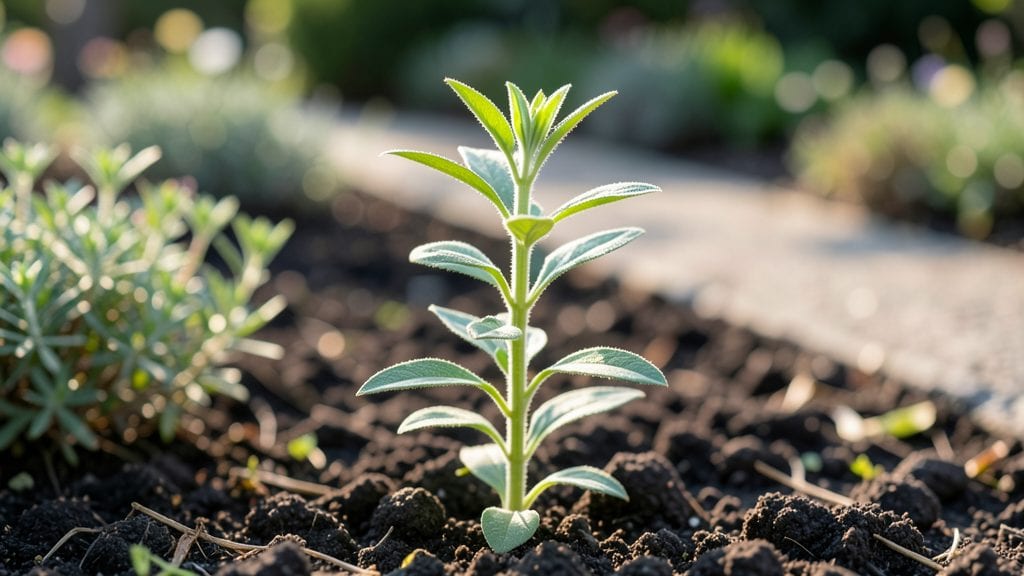
Mastering coreopsis seedling identification starts with two key clues: those narrow, lance-shaped leaves with jagged edges and the slender stems—nothing like the broad, smooth first signs of impostors. ✨ leaves of weeds.
The stems start out a bright green, almost neon, which helps them stand out in a crowded seed tray.
Most beginners mistake coreopsis seedlings for dandelions or chickweed because the early growth looks delicate. But healthy seedlings have a sturdy base and leaves that grow in a rosette pattern close to the soil.
Unhealthy ones stretch tall and thin, with pale leaves—clear signs they need more light or consistent watering. I’ve lost count of how many times I nearly pulled these up thinking they were weeds!
By the time they’re two inches tall, you’ll spot the classic coreopsis traits: slightly fuzzy stems and leaves that fan out like tiny sunbursts. These are the plants that will bloom into those cheerful yellow or pink daisies all summer.
The key is acting fast—once they hit this stage, they’re ready to transplant, and the sooner you do it, the stronger they’ll grow.
Common mistakes? Overwatering (which causes rot) or letting them get too crowded in the tray. Thin seedlings to two inches apart, and keep the soil lightly moist—not soggy. Once you recognize these signs, you’ll spot coreopsis seedlings anywhere, even in a messy garden bed where they’ve self-seeded.
The first time you see those familiar leaves pop up, you’ll know exactly what they are.
Mistakes That Blur Seedling Identification
Identifying coreopsis seedlings can feel like solving a botanical puzzle—especially when missteps muddle the process. Whether you're a seasoned gardener or a curious beginner, certain common errors can make it harder to distinguish these delicate young plants from weeds or other seedlings.
Let’s break down the why behind these challenges and how they throw off your identification game.
Coreopsis seedlings undergo dramatic transformations as they mature, and skipping early observations can lead to confusion. During the cotyledon stage (the first leaves that appear), coreopsis seedlings resemble tiny, rounded leaves with a slightly fuzzy texture.
However, if you wait too long to inspect them, these initial clues disappear as the plant develops pinnate or deeply lobed leaves—a hallmark of mature coreopsis.
Why it happens:
- Rapid growth: Coreopsis seedlings can sprout and grow quickly, especially in warm, moist conditions. If you don’t monitor them daily, you might miss the cotyledon stage entirely.
- Weed competition: Fast-growing weeds like chickweed or dandelions can overshadow seedlings, making it harder to spot them before they mature.
- Distraction by other plants: If your garden bed has a mix of annuals or perennials with similar early growth (like zinnias or marigolds), you might confuse their seedlings for coreopsis.
Actionable fix: Schedule a weekly "seedling check" in the morning when soil moisture is high and leaves are turgid (firm). Use a magnifying glass to inspect cotyledons—this is your best shot at early identification!
Coreopsis seedlings are often praised for their vibrant stems and foliage, but these traits can be subtle in early stages. Many gardeners focus solely on leaf shape, ignoring the stem color or vein patterns that can confirm an identity.
For example, young coreopsis stems may appear reddish or purple-tinged under stress or in cool weather, a trait that’s easy to overlook if you’re not looking closely.
Why it happens:
- Environmental stress: Drought, temperature fluctuations, or poor soil can alter stem and leaf pigmentation, making seedlings look less "typical." A pale or stressed seedling might not show the expected red or green hues.
- Lighting conditions: Shade-loving weeds or seedlings grown under artificial light may develop abnormal colors, mimicking coreopsis traits when they’re not actually the real deal.
- Genetic variation: Some coreopsis varieties (like Coreopsis verticillata) have naturally lighter stems or leaves, leading to misidentification if you’re unfamiliar with their specific traits.
Actionable fix: Take photos of seedlings from multiple angles, including close-ups of stems and veins. Compare them to a coreopsis seedling reference guide under similar lighting conditions to spot discrepancies.
Not all green sprouts are coreopsis! Weeds like hairy caterpillar (a common garden nuisance) or even young sunflower seedlings can closely resemble coreopsis in their early stages. The confusion arises because many plants share similar lobed or toothed leaves or hairy stems.
Why it happens:
- Similar leaf morphology: Plants in the Asteraceae family (like coreopsis, sunflowers, and dandelions) often have deeply divided leaves, making them hard to distinguish at a glance.
- Lack of flowers: Seedlings won’t bloom until they’re several weeks old, leaving you to rely solely on vegetative traits—which can be deceiving.
- Improper spacing: If coreopsis seedlings are planted too closely together, their leaves may overlap with weeds, creating a "blended" appearance that’s hard to untangle.
Actionable fix: Dig up suspicious seedlings and examine their roots. Coreopsis seedlings typically have a tapered, fibrous root system, while weeds like chickweed have shallow, sprawling roots. When in doubt, transplant the seedling to a separate pot and observe its growth pattern over 2–3 weeks.
Coreopsis thrives in well-draining, slightly alkaline soil with full sun exposure. If seedlings are planted in poor-quality soil or shady conditions, their growth patterns can deviate significantly from the norm, making identification tricky.
Why it happens:
- Compacted or clay soil: Coreopsis seedlings struggle in dense soil, leading to stunted growth, yellowing leaves, or even death. Without proper drainage, their stems may appear weak or discolored.
- Inadequate sunlight: Partial shade can cause seedlings to grow leggy (tall and spindly) with pale leaves, mimicking nutrient deficiencies or disease.
- Over- or under-watering: Too much moisture can cause fungal issues (like damping-off), while drought stress may make leaves curl or turn brown, obscuring their true shape.
Actionable fix: Test your soil’s pH and drainage before planting. Aim for a pH of 6.0–7.5 and amend heavy clay with compost or sand. Place seedlings in a south-facing window or under grow lights if outdoor conditions are suboptimal.
Fixing Common Coreopsis Seedling Issues
When it comes to identifying and nurturing coreopsis seedlings, problems can arise—but most have simple, effective solutions. Whether your seedlings are struggling with stunted growth, odd leaf shapes, or weak stems, these fixes will help you get them back on track.
Below, we’ve mapped common issues to practical solutions, along with prevention tips to keep your seedlings thriving.
Cause: Poor soil nutrition, overcrowding, or inadequate sunlight. Fix: 🔥 Boost Soil Fertility – Amend the soil with compost or a balanced, slow-release fertilizer (like 10-10-10). Coreopsis prefers well-draining soil rich in organic matter. 🍳 Thin Seedlings – If seedlings are too close, gently separate them to give each plant 6–12 inches of space. Overcrowding competes for nutrients. 👨🍳 Ensure Full Sun – Coreopsis seedlings need at least 6–8 hours of direct sunlight daily. If indoors, place them near a south-facing window or under grow lights.
Prevention: ✨ Test Soil First – Before planting, check soil pH (ideal: 6.0–7.0) and amend as needed. 🎯 Start Indoors Early – If sowing seeds, begin indoors 6–8 weeks before the last frost for a head start.
Cause: Overwatering, nutrient deficiencies, or fungal infections (like powdery mildew). Fix: 💡 Adjust Watering – Coreopsis dislikes soggy soil. Water only when the top inch of soil is dry, and ensure pots/containers have drainage holes. 🌡️ Fertilize Correctly – Yellow leaves often signal nitrogen deficiency. Use a mild fertilizer (like fish emulsion) every 4–6 weeks during the growing season. 🔪 Treat Fungal Issues – If leaves develop white powdery spots, spray with neem oil or a fungicide (follow label instructions). Improve airflow by spacing plants properly.
Prevention: 📊 Monitor Moisture – Use a moisture meter or stick your finger in the soil to check dampness. ✨ Water at the Base – Avoid wetting foliage to prevent fungal spores from taking hold.
Cause: Lack of light, excessive heat, or improper support. Fix: 🌞 Move to Brighter Light – Leggy stems (long, thin, and weak) mean the seedlings aren’t getting enough light. Relocate them to a sunnier spot immediately. 🏗️ Provide Support – If stems are top-heavy, gently stake them with small bamboo stakes or use a tomato cage for stability. 🥗 Hardening Off Gradually – If seedlings were started indoors, acclimate them to outdoor conditions over 7–10 days before transplanting.
Prevention: 💪 Use Grow Lights Early – If natural light is insufficient, supplement with LED grow lights for 12–16 hours daily. 🎯 Choose the Right Variety – Some coreopsis varieties (like ‘Moonbeam’) are more compact—pick them if space is limited.
Cause: Soft, new growth attracts pests, especially in dry or dusty conditions. Fix: 🐜 Blast Off Pests – Spray seedlings with a strong stream of water to dislodge aphids or spider mites. 🌿 Introduce Beneficial Insects – Ladybugs and lacewings eat aphids naturally. Release them near infected plants. 🔥 Use Insecticidal Soap – For severe infestations, apply insecticidal soap or horticultural oil (follow package directions).
Prevention: 🌡️ Keep Plants Healthy – Strong, well-watered seedlings resist pests better. 💡 Inspect Regularly – Check undersides of leaves weekly for early signs of pests.
Cause: Sudden environmental changes (temperature, wind, or soil differences). Fix: ⏰ Transplant at the Right Time – Wait until nighttime temperatures stay above 50°F (10°C). Avoid transplanting on windy days. 🌱 Water Thoroughly Before and After – Keep soil consistently moist (but not soggy) for the first week. 🛡️ Use Mulch – Apply a 1–2 inch layer of mulch around the base to retain moisture and regulate soil temperature.
Prevention: 🎯 Acclimate Gradually – If moving seedlings outdoors, start with 1–2 hours of exposure and increase daily. 💪 Choose a Similar Soil Type – If possible, mix your garden soil with some of the potting mix to reduce shock.
With these targeted fixes, your coreopsis seedlings should recover quickly and grow into vibrant, healthy plants. Remember, consistency in care—especially sunlight, water, and soil health—is key to preventing future issues. Happy gardening! 🌻
Frequently asked questions
How do I tell coreopsis seedlings apart from weeds in early growth?
Look for the classic lance-shaped leaves with jagged edges and slightly fuzzy texture—coreopsis cotyledons stand out against smooth weed leaves. Healthy seedlings also grow in a tight rosette near the soil, while weeds like chickweed sprawl outward.
What's the best time to transplant coreopsis seedlings?
Wait until they reach 2-3 inches tall with 4-6 true leaves and nighttime temps stay above 50°F (10°C). Transplant in morning hours to reduce shock, and keep soil lightly moist for the first week.
Why are my coreopsis seedlings turning yellow?
Yellowing usually means overwatering or nutrient deficiency. Let soil dry between waterings and fertilize lightly with a balanced formula (10-10-10). Check for powdery mildew too—white spots indicate fungal issues from poor airflow.
Can I grow coreopsis from store-bought flowers?
Yes! Collect seeds from dried flower heads and let them dry completely before storing. Plant them 1/4 inch deep in well-draining soil. Germination takes 10-20 days in warm conditions—keep soil consistently moist but not soggy.
How do I prevent leggy coreopsis seedlings?
Leggy growth happens from insufficient light. Move seedlings to a south-facing window or use grow lights for 12-16 hours daily. Thin crowded seedlings to 6-12 inches apart and avoid overwatering, which weakens stems.