Watering
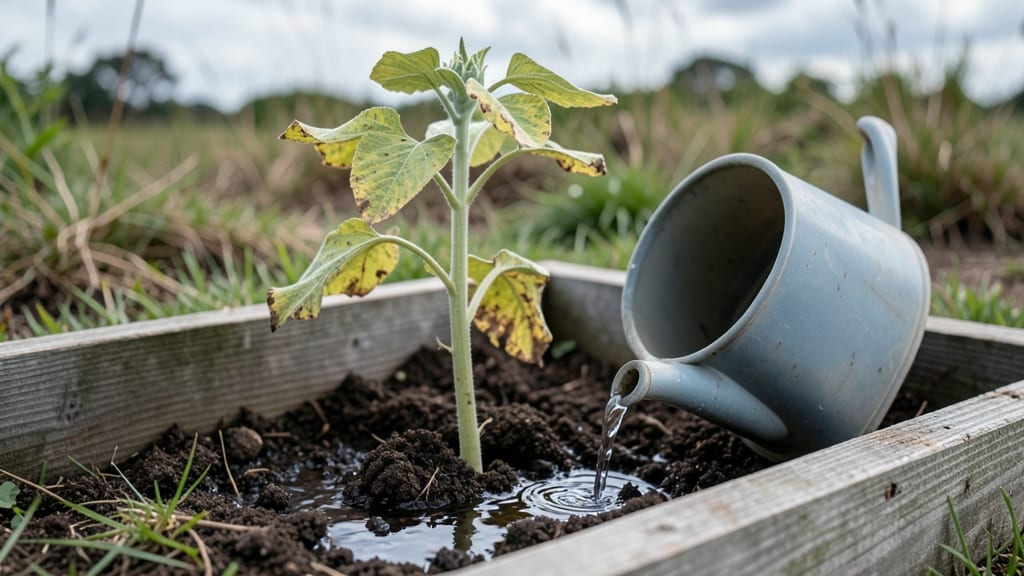
Overwatered sunflower seedlings can look like a lost cause—yellowing leaves, limp stems, and that dreaded mold smell—but I’ve revived mine from this exact mess in just 24 hours. The key isn’t panic; it’s understanding how sunflowers really handle moisture, and trust me, they’re not as thirsty as they seem.
My first batch of seedlings turned into a soggy, sad sight after I watered them every morning like clockwork. Turns out, sunflowers hate wet feet more than they love water.
Here’s what you’ll need to do: stop watering immediately and move the seedlings to a spot with bright, indirect light. If they’re in a container, check for drainage holes—if there aren’t any, repot into a pot with holes now.
Sunflowers need soil that dries out slightly between waterings, not a swampy base. Once you’ve got them in the right setup, give the soil a gentle squeeze—if water drips out, you’re still overdoing it. The goal is to let the top inch dry out before adding moisture again.
Within 24 hours, you should see the wilting ease up and the stems perk back to life. The leaves might still look a little sad, but that’s normal—they’re bouncing back.
For long-term health, switch to a well-draining soil mix (think 50% potting soil, 30% perlite, 20% compost) and water only when the top inch feels dry to the touch.
Sunflowers are tough once they get past this stage, and with the right care, you’ll be watching those towering blooms reach for the sky in no time.
This works for seedlings in pots, raised beds, or even direct-sown in the ground—just adjust the soil mix and watering frequency to match your setup. The secret isn’t complicated: sunflowers want to drink, not drown.
Once you’ve got the rhythm down, you’ll spot the signs of overwatering before they become a problem. Let’s get those seedlings back on track!
Common Causes Of Seedling Stress
Sunflowers may seem tough, but their seedlings are surprisingly delicate—especially when it comes to water. Overwatering isn’t just about drowning roots; it’s a cascade of environmental and biological factors that disrupt a seedling’s ability to thrive.
Understanding these causes is the first step to saving your wilting sunflower babies. Let’s break down why this happens, so you can fix it fast.
Sunflower seedlings thrive in well-draining soil, but if your container or garden bed lacks proper drainage, excess water lingers around the roots. Here’s why this is a problem:
- Oxygen starvation: Roots need oxygen to respire and absorb nutrients. Waterlogged soil displaces air, suffocating roots and triggering anaerobic conditions—a toxic environment for seedlings. Without oxygen, roots can’t process water or nutrients efficiently, leading to wilting.
- Root rot: Fungal pathogens like Pythium and Phytophthora thrive in soggy soil. These microbes attack root tissues, causing them to decay. Infected roots can’t support the seedling, leading to a weak, drooping stem.
- Nutrient leaching: Overwatering washes away essential nutrients (like nitrogen, phosphorus, and potassium) that seedlings need to grow. Without these, the plant’s metabolic processes slow down, and it struggles to maintain turgor pressure—resulting in floppy, wilted stems.
Pro tip: 💡 Test your soil’s drainage by filling a container with water and observing how long it takes to drain. If it takes more than 30 minutes, amend the soil with perlite, sand, or coconut coir to improve aeration.
Sunflowers are drought-tolerant once established, but seedlings have shallow root systems and can’t handle excess moisture. Common watering mistakes include:
- Frequent light watering: Dabbling the soil with small amounts of water daily keeps the top layer damp but prevents roots from growing deeper. Seedlings rely on deeper moisture to anchor themselves, and shallow watering encourages weak, spindly growth.
- Ignoring weather conditions: Watering on rainy days or after heavy dew traps moisture in the soil, doubling the risk of overwatering. Sunflowers need 1–1.5 inches of water per week, but seedlings may only need water every 2–3 days in humid climates.
- Using the wrong watering method: A gentle stream from a hose or watering can can compact soil and create a crust, trapping water. Instead, use a slow drip system or a watering wand to deliver moisture evenly without disturbing the soil.
Pro tip: ✨ Stick your finger 1–2 inches into the soil. If it’s damp, wait before watering again. For seedlings, less is more—better to underwater slightly than drown them.
If you’re growing sunflowers in pots, the container itself can contribute to overwatering. Here’s how:
- Small pots retain moisture: Tiny containers dry out quickly at the surface but stay wet at the bottom. Seedlings in 4-inch pots may need watering daily, while larger pots (8+ inches) can go 3–4 days without water. Roots in small spaces can’t escape excess moisture, leading to rot.
- Non-breathable materials: Plastic pots trap heat and moisture, accelerating evaporation but also creating a greenhouse effect that keeps soil damp longer. Terracotta pots are better because they allow moisture to escape through their porous walls, but they can also dry out too fast if not monitored.
- No drainage holes: This is a dealbreaker. Without holes, water pools at the bottom, creating a breeding ground for rot. Always use containers with drainage, and add a layer of gravel or pebbles at the bottom to improve airflow.
Pro tip: 🔥 Upgrade to a 5-gallon bucket or fabric grow bag for seedlings—these balance moisture retention and drainage while giving roots room to expand.
Sunflowers are sensitive to temperature extremes, and humidity plays a hidden role in overwatering. Here’s the science:
- Cold soil slows evaporation: In cool weather (below 60°F), soil takes longer to dry out. If you water on a chilly morning, the moisture lingers for days, increasing the risk of rot. Seedlings in cold soil also can’t absorb water efficiently, leading to wilting despite damp conditions.
- High humidity reduces transpiration: Transpiration (water loss through leaves) is how plants regulate moisture. In humid conditions, leaves absorb water vapor from the air instead of releasing it, tricking the plant into thinking it’s hydrated. This causes overwatering feedback loops—you keep watering because the leaves look perky, but the roots are drowning.
- Night watering traps dew: Watering in the evening leaves droplets on leaves, which can promote fungal diseases like powdery mildew. The combined moisture and cool night temperatures create the perfect storm for root stress.
Pro tip: 🌡️ Water in the early morning (6–9 AM) to allow foliage to dry before evening. In humid climates, reduce watering by 20–30% and ensure airflow with a small fan.
Now that you know the root causes (literally!), the next step is reviving your seedlings—but first, let’s address the damage with targeted fixes.
Quick Fixes for Soggy Seedlings
Reviving an overwatered sunflower seedling starts with immediate action—but don’t panic! With the right steps, you can rescue your young plant and set it on the path to recovery.
Below, we’ve mapped out practical solutions based on the most common causes of overwatering, along with prevention tips to keep your sunflowers thriving.
Cause: Excess moisture suffocates roots, cutting off oxygen and nutrients. Solution:
- 🔥 Stop Watering Immediately – Let the soil dry out completely before watering again.
- 👨🍳 Transplant to Fresh Soil – Gently remove the seedling and repot it in well-draining soil (mix in perlite or sand for aeration).
- 🌡️ Improve Airflow – Move the pot to a sunny spot with good ventilation (but avoid direct scorching afternoon sun).
💡 Prevention Tip:
- Use a moisture meter to check soil before watering—sunflowers prefer dry soil between waterings once established.
Cause: Root rot from prolonged soggy conditions. Solution:
- 🔪 Trim Damaged Roots – Rinse the roots under lukewarm water, then snip off any black/mushy sections with clean scissors.
- 🍳 Repot in Sterile Soil – Use a fungicide-treated potting mix to prevent reinfection.
- ⏰ Monitor for 24 Hours – Keep the soil barely moist (not wet) and avoid watering for 3–4 days to let roots recover.
💡 Prevention Tip:
- Never let seedlings sit in saucers of water—empty excess drainage after watering.
Cause: Overwatering weakens cell structure, leading to collapse. Solution:
- 🌡️ Allow Soil to Dry Out – Place the pot in bright, indirect light (avoid direct sun until recovered).
- 💧 Water Lightly at the Base – Use a spray bottle for misting instead of pouring at the stem.
- 🌱 Support the Stem – If severely weak, prop up the seedling with a small stake to prevent further bending.
💡 Prevention Tip:
- Water in the morning so excess moisture evaporates by evening.
Cause: Excess water leaches away essential nutrients. Solution:
- 📊 Flush the Soil – Run water through the pot for 10–15 minutes to remove built-up salts.
- 💪 Fertilize Lightly – Use a balanced, water-soluble fertilizer (5-5-5 or 10-10-10) at half strength.
- 🥗 Boost with Compost Tea – A weak compost tea (1 tbsp compost + 1 gallon water, steeped overnight) adds natural nutrients.
💡 Prevention Tip:
- Avoid fertilizing soggy soil—wait until the top inch is dry.
Once your seedling shows signs of recovery (firmer stems, new growth), keep these habits to prevent relapse:
- Check soil moisture daily – Stick your finger 1 inch deep; if damp, wait.
- Upgrade to larger pots – Sunflowers need deep containers (at least 12 inches) as they grow.
- Mulch lightly – A thin layer of straw helps retain even moisture without suffocating roots.
🎯 Final Reminder: Overwatering is reversible—but speed matters! Act within 24 hours for the best chance of revival. With the right care, your sunflower will bounce back stronger than ever. 🌻💪
Frequently asked questions
How can I tell if my sunflower seedling is overwatered instead of underwatered?
Check the soil first—if it’s soggy and smells musty, that’s overwatering. Overwatered seedlings have yellowing leaves, limp stems, and may develop mold at the soil line. Underwatered seedlings, however, have crispy brown edges on leaves and dry, pulling soil. The key difference? Overwatered plants wilt despite damp soil, while underwatered plants wilt because the soil is bone-dry.
Can I save a sunflower seedling with black, mushy roots?
Yes, but you’ll need to act fast! Rinse the roots with water, then trim off any blackened sections with clean scissors. Repot in fresh, sterile soil and hold off on watering for 3-4 days. Use a fungicide spray afterward to prevent reinfection. If the roots are mostly healthy beneath the rot, the seedling can recover with proper care.
Why does my sunflower seedling look sad even after I stopped watering?
Overwatering damages root cells, which can take 3-5 days to recover even after you stop watering. The seedling may also be suffering from nutrient loss or fungal stress. Move it to bright, indirect light and use a weak compost tea to help rebuild strength. Patience is key—new growth signals true recovery.
What’s the best soil mix to prevent overwatering in sunflower seedlings?
Use a blend of 50% potting soil, 30% perlite, and 20% compost for optimal drainage. This mix allows excess water to escape while retaining just enough moisture. Avoid heavy garden soil or peat-heavy mixes, which compact and trap water. For containers, always use pots with drainage holes—no exceptions!
How often should I water sunflower seedlings after recovery?
Once recovered, water only when the top 1 inch of soil feels dry. In warm weather, this might be every 2-3 days, but in cooler or humid conditions, wait 4-5 days. Use a moisture meter for precision—sunflowers are surprisingly drought-tolerant once established, so err on the side of underwatering.