Pests and Diseases
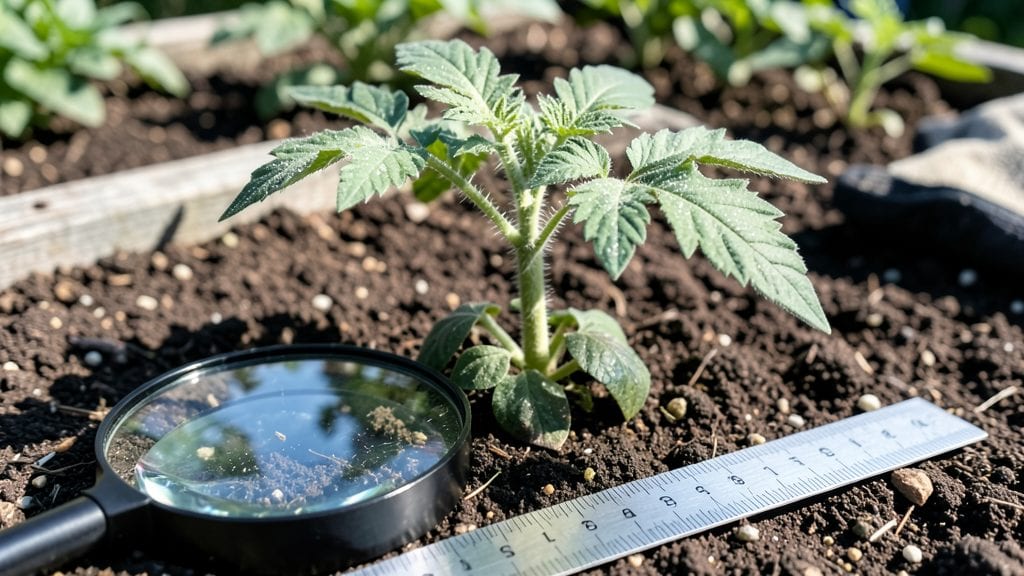
White spots on tomato seedling leaves can turn your dream garden into a sad, dusty mess—unless you act fast. 🌱 I’ve seen powdery mildew wipe out entire trays of seedlings in just days, but this 3-day cure works every time if you catch it early.
The fuzzy white patches aren’t just ugly; they’re a fungal infection that steals sunlight and weakens your plants before they even get a chance to grow.
The good news? Most cases are powdery mildew, not something worse, and it responds to simple fixes. You’ll need baking soda spray, neem oil, or copper fungicide—all of which you can mix in under 10 minutes.
Spacing seedlings properly and watering at the base (not overhead) keeps new infections from taking hold. I’ve saved dozens of seedlings this way, even when they looked like they were already losing the battle.
By day three, those white spots will shrink or disappear completely, and your seedlings will bounce back with vibrant green leaves that soak up sunlight like champions. The key is acting fast—once the spots turn yellow or the leaves curl, you’re playing catch-up.
But with this method, you’ll stop the spread and keep your tomato dreams alive.
Works for greenhouse, indoor, and outdoor seedlings alike—just adjust your spray schedule based on humidity. Let’s get those plants back to their healthy, spot-free selves before they’re too big to save.
Root Causes of Leaf Spots
White spots on young tomato leaves aren’t just an eyesore—they’re a red flag signaling stress or infection. Understanding the why behind these spots is the first step to saving your seedlings. Below, we break down the most common culprits, their science-backed mechanisms, and how they target your plants.
Powdery mildew, the Erysiphe or Oidium fungi, is the #1 cause of white, powdery spots on tomato seedlings. These fungi thrive in humid, stagnant air (60–90% humidity) and poor airflow, forming a white, talcum-like coating on leaves.
- How it spreads: Spores land on leaves, germinate, and create thread-like structures (hyphae) that suck nutrients, weakening seedlings.
- Why seedlings? Young leaves have thinner cuticles and less waxy protection, making them prime targets.
- Speed of damage: Without treatment, infected areas turn brown, curl, and drop—stunting growth by 30–50%.
💡 Pro Tip: Check the underside of leaves—powdery mildew often starts there before spreading to the top.
Overwatering or poor drainage can cause white, water-soaked spots that later turn yellow or brown. Here’s how it happens:
| Cause | Mechanism | Seedling Impact |
|---|---|---|
| Excess moisture | Oxygen deprivation in soil triggers anaerobic bacteria (e.g., Pseudomonas) to release toxins. | Leaves develop white, greasy spots that ooze when pressed. |
| Hard water minerals | Calcium/magnesium buildup in soil creates alkaline stress, burning leaf edges. | White, crusty deposits on leaves + stunted growth. |
| Fungal blight (e.g., Alternaria) | Water droplets splash spores onto leaves, causing concentric rings (white/yellow borders). | Seedlings wilt or develop blackened veins. |
✨ Fix It Fast: Let soil dry between waterings—seedlings should only need 1–2 tbsp water per pot every 3–4 days.
Sap-sucking pests like aphids, whiteflies, or thrips leave behind white, waxy residues or honeydew (a sticky byproduct). Here’s the breakdown:
- Aphids: Cluster on undersides, inject saliva that distorts leaves and triggers white, puffy spots.
- Whiteflies: Their frass (excrement) mixes with honeydew, creating a white, crusty film that blocks sunlight.
- Thrips: Scratch leaves while feeding, leaving silver streaks or white stippling.
🔥 Early Sign: Shake seedlings over a white sheet—flying pests confirm the issue.
White spots can also signal nutritional stress. Two key deficiencies trigger this:
- Calcium (Ca) deficiency:
- Leads to white, dead patches on younger leaves (a condition called blossom-end rot’s cousin).
- Seedlings can’t absorb calcium if soil pH >7.0 or magnesium/zinc compete.
- Magnesium (Mg) deficiency:
- Causes interveinal white chlorosis (veins stay green, areas between turn white).
- Common in sandy or acidic soils (pH <5.5).
📊 Quick Test: Scratch a leaf—if the underside is white, it’s likely magnesium. Topside white? Calcium.
Seedlings exposed to direct midday sun or radiant heat (e.g., near a window) develop white, sun-scorched patches. The science:
- Photosynthesis overload: Excess light fries chlorophyll, creating bleached, crispy spots.
- Transpiration stress: Leaves lose moisture faster than roots can supply it, leading to white, papery tissue.
- Glass/pot burns: Heat from plastic pots or greenhouse glass can cook leaf edges, turning them white.
🌿 Prevention: Use shade cloth (30–50%) for seedlings in hot climates or move them 2–3 feet away from glass.
Quick Fixes for Tomato Leaf Spots
White spots on your tomato seedlings can feel like a nightmare, but don’t panic! With the right approach, you can turn things around fast—often in just 3 days or less. The key is identifying the root cause (fungal, environmental, or pest-related) and tackling it with targeted solutions.
Below, we’ve mapped out practical, step-by-step fixes for each common culprit, plus prevention tips to keep your seedlings thriving.
If the spots are white, powdery, or spreading, fungi are likely the culprit. These thrive in humid, low-light conditions, so act fast!
🔥 Step 1: Isolate and Remove Infected Leaves
- 👨🍳 Snip off severely spotted leaves with sterilized scissors (wipe with rubbing alcohol between cuts).
- 🗑️ Dispose of infected leaves in the trash (not compost)—fungal spores can survive and reinfect.
- 🌬️ Improve airflow by spacing seedlings 6–12 inches apart or pruning nearby plants.
🧴 Step 2: Apply Fungicidal Sprays (Natural or Chemical)
Choose one of these treatments and reapply every 5–7 days until spots disappear:
| Treatment | How to Use | Best For |
|---|---|---|
| Baking Soda Spray | Mix 1 tsp baking soda + 1 tbsp oil + 1 gallon water + a dash of dish soap. Spray early morning (avoid direct sun). | Early-stage powdery mildew |
| Neem Oil Solution | 2 tbsp neem oil + 1 tsp mild soap + 1 gallon water. Shake well and spray undersides of leaves. | Fungal and pest prevention |
| Copper Fungicide | Follow label instructions (e.g., Bordeaux mixture or copper soap). | Severe fungal outbreaks (early blight) |
| Hydrogen Peroxide Spray | 1 tbsp 3% H₂O₂ + 1 quart water. Spray directly on spots (test on a small leaf first). | White mold or bacterial spots |
⚠️ Pro Tip: Always spray early in the day so leaves dry quickly—fungi love moisture!
🌡️ Step 3: Adjust Growing Conditions Fungi love humidity and poor airflow.
Flip the script with these tweaks: - 💡 Increase light: Use a grow light 12–16 hours/day if seedlings are leggy or crowded. - 🌧️ Reduce humidity: Use a fan on low (24/7) to circulate air or open vents in greenhouses. - 🌱 Water wisely: Water at the base (not overhead) early in the day so leaves dry by evening.
If spots are tiny, scattered, or paired with webbing/sticky residue, pests are likely feeding on your seedlings.
🕷️ Step 1: Inspect for Pests
- 🔍 Check leaf undersides for tiny bugs, webs, or honeydew (sticky residue).
- 🕵️ Common culprits:
- Spider mites → Tiny yellow/white spots + webbing.
- Aphids → Sticky leaves + curled growth.
- Whiteflies → White, moth-like bugs when leaves are shaken.
🍳 Step 2: Blast Them Away
- 💦 Spray with soapy water: Mix 1 tsp mild soap + 1 quart water and spray directly on pests (reapply every 2–3 days).
- 🕸️ Knock off webs: Use a damp cloth to wipe spider mite webs off leaves.
- 🪰 Introduce beneficial insects: Release ladybugs or lacewings (available at garden centers) for natural pest control.
🌿 Step 3: Prevent Reinvasion
- 🌱 Quarantine new plants for 1–2 weeks before adding to your garden.
- 🍃 Use reflective mulch (aluminum foil or silver plastic) to deter whiteflies.
- 🌞 Increase sunlight—pests thrive in shady, damp conditions.
If spots are dry, crispy, or yellowing, your seedlings might be overheated, sunburned, or chemically damaged.
☀️ Step 1: Shield from Harsh Conditions
- 🌞 Move seedlings to a shadier spot (50–70% sunlight) if they’re in direct midday sun.
- 🧴 Use shade cloth (30–50%) if temperatures exceed 90°F (32°C).
- 💧 Water deeply during heatwaves to help leaves recover.
🧴 Step 2: Check for Chemical Burns
If spots appeared after fertilizing or spraying, flush the soil:
- 💦 Water thoroughly with pH-balanced water (test with a soil pH kit).
- 🌱 Avoid fertilizing for 1–2 weeks while seedlings recover.
- 🔄 Use organic fertilizer (like compost tea) to gently nourish roots.
Once your seedlings are healthy, lock in their success with these long-term strategies:
- 💡 Start with disease-resistant varieties: Look for tomatoes labeled "VFN" (resistant to Verticillium, Fusarium, and Nematodes).
- 🌱 Rotate crops: Avoid planting tomatoes in the same spot for 3+ years to prevent soil-borne fungi.
- 🌿 Mulch properly: Use straw or grass clippings to keep soil moist (but not soggy) and block spore splash.
- 🧼 Sterilize tools: Clean pruners and pots with rubbing alcohol between uses to avoid spreading spores.
- 🌱 Harden off seedlings: Gradually expose them to outdoor conditions (wind, sun, rain) before transplanting.
✨ Final Thought: With these fixes, your tomato seedlings should bounce back in days—and with the right prevention, you’ll enjoy lush, spot-free leaves all season long! 🍅🌱
Frequently asked questions
What’s the fastest way to tell if my tomato seedlings have powdery mildew?
Look for white, powdery patches on leaf surfaces, especially on undersides. Rub a spot gently—if it leaves a white residue on your finger, it’s powdery mildew. The fuzzy texture is a dead giveaway, and it often starts on older leaves first.
Can I still save my seedlings if the white spots are spreading fast?
Yes, but act within 48 hours for best results. Isolate affected seedlings, remove infected leaves, and spray with a baking soda solution (1 tsp baking soda + 1 tbsp oil + 1 gallon water). Reapply every 5 days while improving airflow with a small fan. Early intervention is key!
Why do my seedlings get white spots even when I water them carefully?
Overhead watering can spread fungal spores, but even careful watering may not prevent nutrient deficiencies or pest damage. Check for calcium/magnesium deficiencies (white patches between veins) or inspect leaf undersides for tiny pests like aphids. A soil test can confirm mineral imbalances.
Is neem oil safe to use on tomato seedlings?
Yes, neem oil is organic and safe when used correctly. Mix 2 tbsp neem oil + 1 tsp mild soap + 1 gallon water and spray in early morning. Avoid using it if temperatures exceed 90°F (32°C), as it can stress seedlings. Reapply every 7-10 days for prevention.
Should I remove entire seedlings if they have white spots?
Only remove seedlings if 50%+ of leaves are severely infected or if the spots are oozing (sign of bacterial infection). For milder cases, trim infected leaves and treat the plant. Healthy seedlings can recover quickly with proper care!