
Vegetables
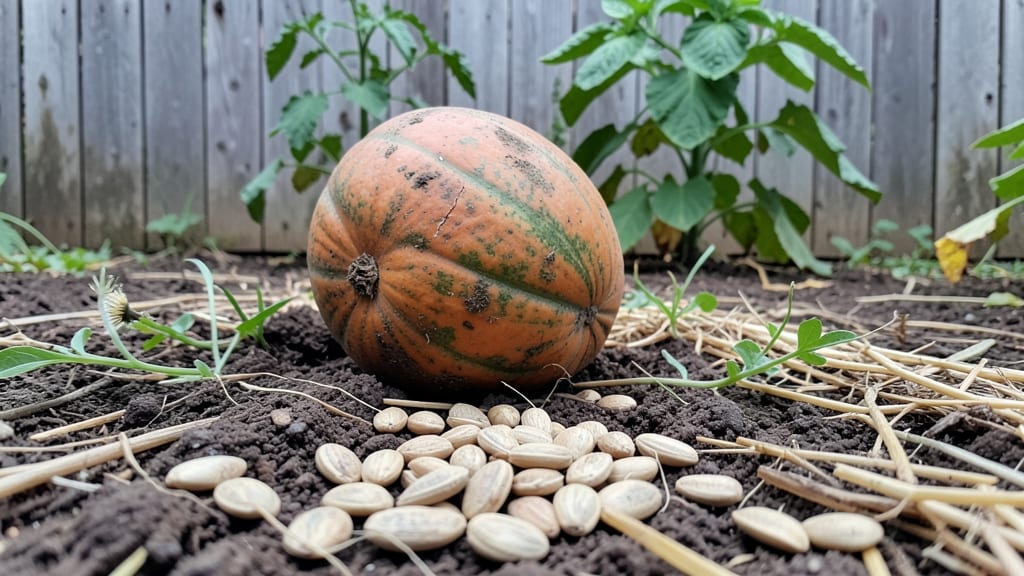
Raw pumpkin seeds are safe for chickens only when properly prepared, but the real danger lies in the outer shell and seeds themselves. 🌱 The cucurbitacin toxin they contain can lead to symptoms like lethargy or loss of appetite, so always remove shells and avoid feeding whole seeds.
I recommend lightly roasting seeds to enhance digestibility and flavor while eliminating any lingering risks. For best results, limit portions to about 1 teaspoon per chicken weekly—think of it as a special treat rather than a dietary staple.
When preparing pumpkin seeds for your flock, consider alternatives like sunflower seeds if you're concerned about potential residual toxins. 💡 Always monitor your chickens after introducing new foods, watching for signs like vomiting or unusual droppings.
Cooking seeds at 350°F for 10-15 minutes ensures maximum safety while preserving their nutritional benefits, which include healthy fats and minerals.
💡 In This Article
- Cucurbitacin Toxicity in Raw Pumpkin Seeds for Chickens
- Safe Pumpkin Seed Feeding Guide for Backyard Flocks
Cucurbitacin toxicity in raw pumpkin seeds for chickens
The real danger in raw pumpkin seeds for chickens isn't the seeds themselves but the cucurbitacin compounds concentrated in the outer hulls and seed coats. These bitter-tasting chemicals act as natural pesticides in the plant, creating a bitter, almost acrid flavor that deters predators.
In chickens, cucurbitacin interferes with their liver's ability to process toxins, leading to oxidative stress in cells. The compound disrupts normal enzyme function, particularly those involved in metabolism, which can cause digestive upset or even neurological symptoms if consumed in significant amounts.
Here's what happens when chickens ingest cucurbitacin: first, you'll notice mild digestive distress—think of it like food poisoning with symptoms including diarrhea, lethargy, or loss of appetite.
In more severe cases, the toxin can affect their nervous system, causing unsteady gait or tremors. 🔥 The toxicity level varies by pumpkin variety, with some containing up to 0.05% cucurbitacin by weight in their raw hulls.
For context, that's roughly equivalent to the bitterness in 10-15 raw cucumbers, which chickens instinctively avoid.
Cooking or roasting pumpkin seeds at temperatures above 300°F breaks down cucurbitacin through a process called thermal degradation. The heat causes the compound's molecular structure to destabilize, rendering it harmless. Shelling the seeds removes the majority of the toxin-containing material—up to 90% of the cucurbitacin resides in the outer hulls.
Even better, lightly toasting seeds enhances their digestibility while concentrating their nutritional benefits, particularly the 18% protein content and 40% healthy fats that chickens crave.
What most people don't realize is that chickens have a remarkable ability to metabolize certain plant toxins—but only in small doses.
Their liver enzymes can process up to 0.1% of their body weight in cucurbitacin-containing foods without issue, which translates to about 1/4 teaspoon of raw hull material per pound of chicken. 💫 This is why moderation is key: while a single raw seed won't harm them, feeding them whole seeds regularly would exceed this safe threshold.
The good news is that proper preparation eliminates this risk entirely.
For visual comparison, imagine cucurbitacin as a tiny, invisible shield coating the seed's surface. When you remove the hull (like peeling an apple), you're stripping away this protective layer. Cooking then acts like a molecular disassembler, breaking apart the remaining compounds.
This two-step process is why shelled, roasted pumpkin seeds make a safe and nutritious treat—offering the protein and minerals chickens need without the digestive risks.
Here's a practical preparation tip: if you're using store-bought pumpkin seeds, check the packaging—many brands pre-remove the hulls and roast them, making them instantly safe. For homemade preparation, simply bake seeds at 350°F for 10 minutes until fragrant, then let them cool completely before offering.
The resulting texture becomes crisp and crunchy, appealing to chickens' natural foraging instincts while being completely safe for consumption.