Featured
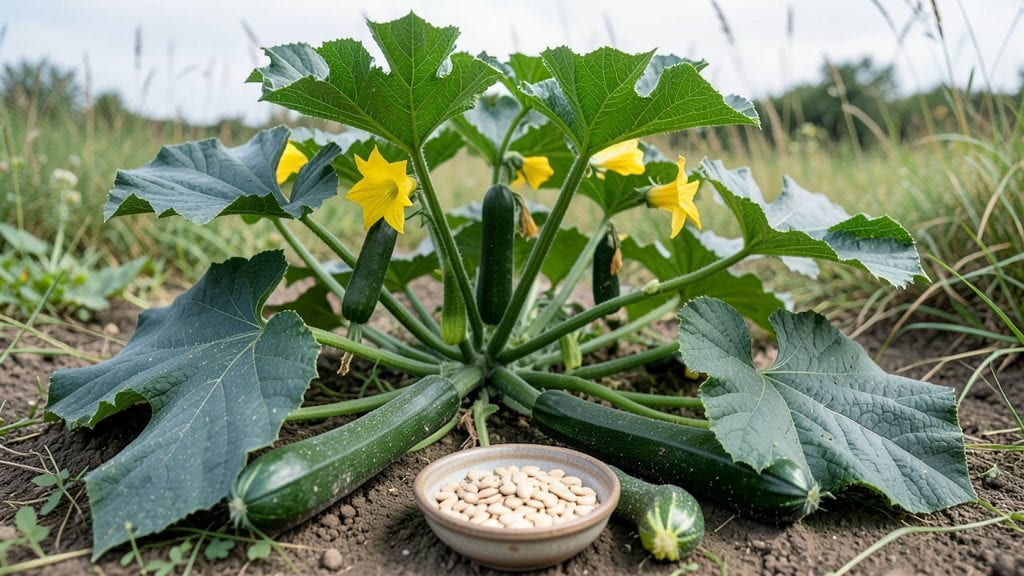
Chickens can safely eat zucchini seeds in moderation, as they provide fiber and nutrients, but avoid feeding large quantities due to potential digestive upset or choking hazards from whole seeds.
Zucchini seeds offer chickens a natural source of healthy fats and vitamin E, which support feather health and immune function. 🌱 The key is preparation—crushing seeds prevents choking while preserving their nutritional benefits.
I've found that offering seeds as part of a balanced diet (about 1 teaspoon per chicken daily) prevents digestive issues while maximizing their advantages. Too many seeds at once can cause bloating or loose droppings, so always introduce them gradually.
For extra safety, I recommend drying seeds completely before serving—this reduces moisture content and minimizes mold risks. You can also mix crushed seeds into their regular feed or offer them as a standalone treat during foraging time.
If you notice lethargy or unusual droppings after feeding, reduce the portion size immediately.
💡 In This Article
- Nutritional Value of Zucchini Seeds for Chickens
- Safe Ways to Serve Zucchini Seeds to Chickens
Nutritional value of zucchini seeds for chickens
Zucchini seeds pack a surprising nutritional punch for chickens, offering a balanced mix of healthy fats (about 30% of their caloric content), protein (roughly 20-30 grams per 100 grams), and essential vitamins like vitamin E and magnesium.
The fats—primarily polyunsaturated—help maintain feather quality and support egg yolk color, while the protein aids muscle development and overall growth. This makes them a valuable supplement compared to other garden seeds like pumpkin seeds (higher in zinc) or sunflower seeds (richer in vitamin B6).
The fiber content (around 20-30 grams per 100 grams) in zucchini seeds promotes healthy digestion, preventing issues like crop impaction that can occur with dry feeds. The seeds also contain antioxidants like lutein, which supports eye health—a critical benefit for chickens that forage outdoors.
What’s fascinating is how these nutrients work synergistically: the fats enhance vitamin absorption, while the fiber ensures steady nutrient delivery. For example, a 1-teaspoon serving provides about 5% of a chicken’s daily protein needs, making it a meaningful dietary addition.
When comparing zucchini seeds to other safe garden treats, they stand out for their low phosphorus-to-calcium ratio (about 1:1), which prevents metabolic bone disorders in chickens. Unlike sunflower seeds (which can be high in fat), zucchini seeds offer a more balanced profile.
The vitamin E content (around 1.5 mg per teaspoon) is particularly beneficial for egg production, as it protects cell membranes in the reproductive tract. This is why free-range chicken keepers often include seed-based treats—they mimic natural foraging behaviors while delivering targeted nutrition.
Here’s what happens when chickens metabolize these seeds: the fats are broken down into energy, the protein is converted into muscle and egg components, and the fiber stimulates gut motility. The magnesium content (about 250 mg per 100 grams) also supports nerve function, reducing stress-related pecking.
However, the key is moderation—the high fat content can lead to weight gain if overfed, so they should never replace a balanced commercial feed. Think of them as a 10% supplement to a chicken’s diet, not the main course.
For practical application, crushed seeds are ideal—they prevent choking while preserving all nutrients. You’ll notice chickens peck at them eagerly, especially during cooler months when their natural oil reserves need replenishing. The seeds’ mild, slightly nutty flavor makes them universally appealing, unlike stronger-tasting treats that some chickens avoid. 🌟
What most backyard keepers don’t realize is how zucchini seeds compare to commercial treats. A 1-teaspoon serving of crushed seeds costs pennies to prepare but delivers nutrients equivalent to a $2 specialty treat mix.
The cost-effectiveness, combined with their health benefits, makes them a smart choice for sustainable chicken keeping. Just remember: freshness matters—stale seeds lose their nutritional value within 2 weeks of drying.