Diseases
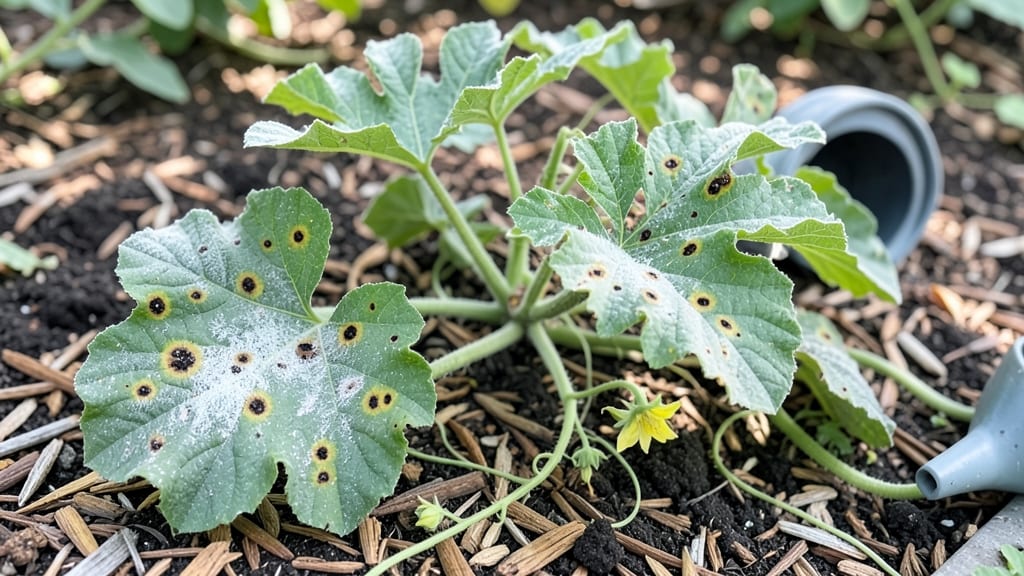
Watermelon seedling diseases can turn your hopeful little sprouts into sad, wilted messes before they even hit the soil. 🌱 I’ve watched my own seedlings collapse from damping-off and powdery mildew, and I learned the hard way that prevention starts the moment you plant.
The right care—from soil prep to airflow—makes all the difference between a thriving patch and a total loss.
Most seedling diseases thrive in damp, crowded conditions where spores spread like wildfire. Damping-off, for example, causes stems to rot at the base, while powdery mildew leaves a chalky white film that stunts growth.
The good news? Organic fixes like neem oil, cinnamon dust, and proper spacing can stop these issues before they start. Even my black thumb can keep seedlings healthy with these simple tweaks.
By the time you spot the first signs, it’s already too late to save the plant—but you can save the rest of your crop.
I’ll show you how to spot trouble early, what to do if your seedlings are already sick, and how to create an environment where diseases can’t take hold. Your future harvest depends on it.
This works for both greenhouse starts and outdoor beds, whether you’re growing in soil or containers. Let’s get those seedlings off to the right start—no more heartbreak, just healthy vines and sweet melons by summer.
Root Causes Behind Seedling Struggles
Watermelon seedlings don’t just wilt or sicken—they’re often fighting a silent battle against hidden forces. Understanding why these diseases strike is the first step to stopping them. Below, we break down the key culprits—from sneaky pathogens to environmental missteps—that turn your tiny green hopes into sad, stunted plants.
---
Diseases like damping-off (caused by Pythium or Rhizoctonia) and fusarium wilt (Fusarium oxysporum) thrive in moist, warm conditions. Here’s how they sneak in:
- Overcrowded Seedlings 🌱💀 - Too many seedlings competing for space create a humid microclimate, perfect for fungal spores. Poor air circulation traps moisture on leaves and stems, giving pathogens a foothold. - Actionable fix: Thin seedlings to 1–2 inches apart and avoid overwatering the soil surface.
- Contaminated Soil or Tools 🌍⚔️ - Fungal spores lurk in old compost, reused containers, or dirty pruners.
Even "sterile" potting mix can harbor dormant pathogens if stored improperly. - Pro tip: Solarize soil before planting (cover with clear plastic for 4–6 weeks in summer) to kill lurking fungi. Disinfect tools with 10% bleach solution between uses.
- Weak Seedling Immunity 🛡️💔 - Young watermelon seedlings lack the cuticular wax layer (their natural armor) that mature plants develop.
Stress from temperature swings or nutrient deficiencies (like low phosphorus) makes them vulnerable. - Boost defenses: Use mycorrhizal fungi (beneficial soil microbes) or neem oil spray (1 tsp/quart water) to strengthen seedlings.
---
Diseases often hitch a ride on environmental extremes. Here’s how:
| Factor | Problem | Solution | |---------------------|-----------------------------------------------------------------------------|------------------------------------------------------------------------------| | Excess Moisture | Waterlogged soil cuts off oxygen, suffocating roots and inviting Pythium. | Use raised beds or container growing with drainage holes.
Water early in the day so foliage dries. | | Poor Drainage | Clay-heavy soil holds water like a sponge, creating anaerobic zones where fungi feast. | Amend soil with perlite or compost (30% organic matter) to improve aeration. | | Temperature Swings | Cool nights (below 60°F) + warm days (above 85°F) weaken seedlings, making them susceptible to bacterial leaf spot. | Use row covers at night if temps dip.
Avoid planting until soil is consistently above 65°F. | | High Humidity | Stagnant air (like in greenhouses) lets spores spread like wildfire. | Install fans for airflow or dehumidifiers in greenhouses. Space plants 12+ inches apart for ventilation. |
---
Even the best growers make blunders that invite disease. Here’s what’s really going wrong:
- Overwatering the Foliage 💦🚫 - Water droplets on leaves create perfect landing pads for fungal spores. Unlike mature plants, seedlings can’t "shake off" infections easily. - Fix: Water at the base (use a drip irrigation system or soaker hose). Avoid overhead sprinklers.
- Using Unsterilized Seed or Soil 🌱🔥 - Seeds from infected plants or soil with last year’s fungal spores will pass diseases to new seedlings. - Prevent it: Soak seeds in 1% hydrogen peroxide (30 mins) before planting. Use pasteurized potting mix (heat-treated to 180°F for 30 mins).
- Ignoring Soil pH 📉📈 - Watermelons prefer slightly acidic to neutral soil (pH 6.0–6.8). Outside this range, beneficial microbes (like Trichoderma) can’t outcompete pathogens. - Test it: Use a DIY pH kit or send a sample to a lab.
Adjust with lime (to raise pH) or sulfur (to lower pH).
--- 💡 Pro Tip: Rotate crops! Planting watermelons in the same spot year after year lets soil-borne diseases build up. Wait 3–4 years before replanting in the same bed.
Fixing Watermelon Seedling Woes
Catching seedling diseases early is half the battle—now let’s tackle the fixes! Whether your watermelon seedlings are wilting, turning yellow, or sporting suspicious spots, these practical, organic solutions will help you turn things around.
Below, we map the most common causes to their fixes, plus prevention tips to keep your seedlings thriving.
---
Cause: Overwatering, poor airflow, or contaminated soil. Fix: 🔥 Boost Air Circulation – Space seedlings 2–3 inches apart and use a small fan on low for 10–15 minutes daily to dry leaves faster.
🍳 Fungicide Spray (DIY) – Mix 1 tsp baking soda + 1 quart water + a drop of dish soap (as a surfactant). Spray seedlings every 7–10 days at dawn to prevent powdery mildew.
👨🍳 Soil Sterilization – Solarize soil by covering it with clear plastic for 4–6 weeks in hot sun to kill fungus. Or, swap in sterilized potting mix (bake soil at 180°F for 30 mins).
🥘 Prevention: Water at the base only (avoid wetting leaves) and rotate crops yearly to break fungal cycles.
---
Cause: Weak seedlings attract pests, which spread viruses and bacteria. Fix: 🔪 Neem Oil Blast – Mix 1 tbsp neem oil + 1 tsp mild soap + 1 quart water. Spray directly on pests (early morning/evening) for 3–5 days.
⏰ Beneficial Insects – Release ladybugs or lacewings (available at garden centers) to devour aphids naturally.
💡 Row Covers – Use floating row covers to block beetles while allowing sunlight and water.
🎯 Prevention: Interplant with marigolds or basil (repel pests) and remove infected leaves immediately.
---
Cause: Overcrowding, wounds from handling, or contaminated tools. Fix: 🌡️ Copper Spray – Use copper fungicide (like Bordeaux mixture) weekly to halt bacterial spread. Avoid spraying when bees are active.
🔥 Remove & Burn – Snip off infected seedlings at the base (don’t compost!) and sterilize pruners with rubbing alcohol between cuts.
🥗 Boost Soil Health – Add compost tea (rich in beneficial microbes) to strengthen seedlings’ defenses.
✨ Prevention: Rotate planting spots every 3 years and disinfect tools before use.
---
Cause: Poor soil, over/under-fertilizing, or compacted roots. Fix: 💪 Epsom Salt Boost – Dissolve 1 tbsp Epsom salt in a gallon of water and water seedlings once a week for magnesium (fixes yellowing).
🥗 Fish Emulsion Feed – Use a diluted fish emulsion (1 tbsp/gallon) every 2 weeks for nitrogen without burning tender roots.
🌱 Loosen Soil – Gently fork around seedlings (1–2 inches deep) to aerate roots if growth stalls.
🎯 Prevention: Test soil pH (ideal: 6.0–6.8) and mulch with straw to retain moisture and nutrients.
--- 💡 Pro Tip: When in doubt, quarantine new seedlings for 2 weeks before planting to spot issues early! Keep your garden healthy, and those watermelons will be sweet, strong, and disease-free in no time. 🍉✨
Frequently asked questions
What are the first signs of damping-off in watermelon seedlings?
Look for stems that appear water-soaked at the base and collapse suddenly, leaving healthy-looking leaves. The seedlings may also develop a gray or brown mold near the soil line. If you see this, remove infected seedlings immediately and improve airflow by spacing plants 2 inches apart.
Can I save watermelon seedlings already infected with powdery mildew?
Early-stage mildew can be treated with a mix of 1 tsp baking soda + 1 quart water + a drop of dish soap. Spray every 7 days at dawn to prevent spread. For severe cases, remove affected seedlings and boost airflow with a small fan. Prevent future outbreaks by avoiding overhead watering and spacing plants 12+ inches apart.
How do I sterilize my containers to prevent seedling diseases?
Wash containers with 10% bleach solution (1 part bleach to 9 parts water), rinse thoroughly, and let dry in the sun for 24 hours. For plastic pots, soak in hot water (180°F) for 30 minutes to kill fungal spores. Always use fresh, sterilized potting mix to avoid reintroducing pathogens.
Why do my watermelon seedlings keep getting bacterial leaf spot?
Bacterial leaf spot thrives in humid, warm conditions (80°F+) and spreads through contaminated water or tools. Use copper fungicide (like Bordeaux mixture) weekly, avoid overhead watering, and disinfect pruners with rubbing alcohol between cuts. Remove infected leaves immediately to stop the spread.
Is it safe to reuse last year’s compost for watermelon seedlings?
No—compost can harbor dormant fungal spores that trigger diseases like damping-off. Instead, use fresh, sterilized compost or pasteurize old compost by heating it to 160°F for 30 minutes. For extra protection, add 1 cup perlite per gallon of mix to improve drainage.