
Lawn
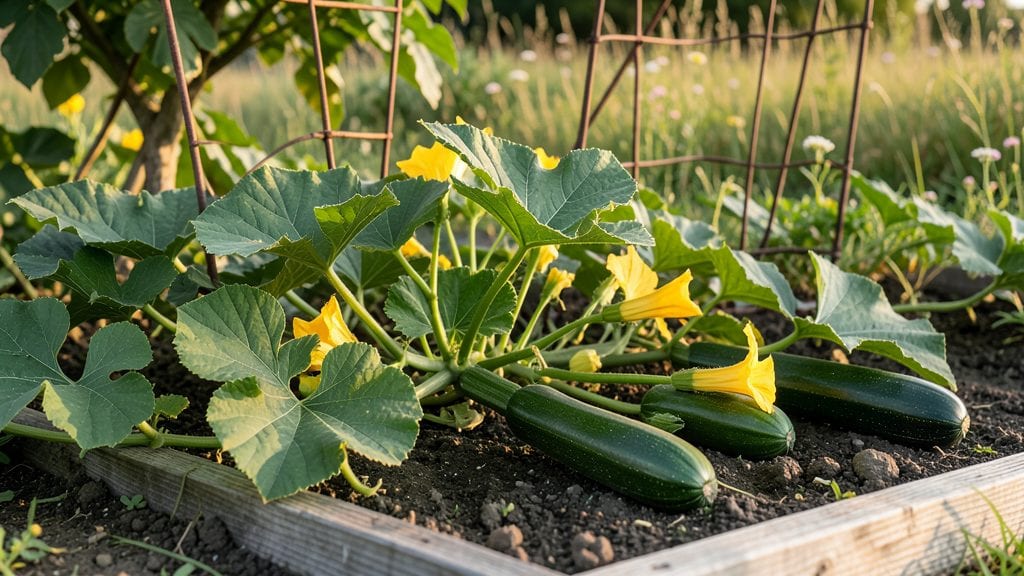
Mastering squash seed identification by shell color and size saves you from growing the wrong plant in your garden—here’s how to tell zucchini, butternut, and pumpkin seeds apart. 🌱 I’ve cracked open more seed packets than I can count, and the differences are subtle. but critical—especially when you’re planning a summer harvest.
A single misidentification could mean bitter fruit or vines that sprawl where you didn’t expect them.
The easiest way to tell them apart starts with the seed shell: zucchini seeds are flat, oval, and usually white or pale beige, while butternut seeds are larger, more rounded, and often tan or light brown.
Pumpkin seeds, on the other hand, are flat, ribbed, and dark green or black—the kind you might roast for snacks. These visual clues match the mature plant’s growth habits, so paying attention now means fewer surprises later.
Once you recognize the shells, check the seed packet for variety names and cross-pollination warnings—some squash types can’t be saved together. A well-labeled packet tells you whether you’ll end up with smooth-skinned zucchini or ribbed butternuts, and whether your harvest will be ready in 45 days or 100.
That’s the difference between a garden full of usable fruit and one full of curiosity.
Pro tip: Save seeds from your best-performing plants next year, but store them in a cool, dry place—viability drops after two years. Now that you’ve got the basics, let’s dive into the visual guide so you can pick seeds with confidence for your next planting season.
📚 In This Guide
- What you need
- Instructions
- Tips and common mistakes
- Wrapping up and next steps
What you need
- ● Fresh or dried squash seeds: Collect seeds from different squash varieties (e.g., butternut, acorn, zucchini, pumpkin). Aim for at least 5–10 seeds per type for comparison.
- ● Magnifying glass or loupe: A 10x magnification tool helps inspect fine details like texture, color gradients, and subtle markings.
- ● Ruler or caliper: Measure seed dimensions (length, width, thickness) in millimeters for precise identification.
- ● White or light-colored tray: A shallow dish (e.g., baking sheet or plastic container) to arrange seeds for side-by-side comparison.
- ● Reference guide or printed chart: Use a visual squash seed ID guide (like this one!) to cross-check your findings.
- ● Notebook or digital notes app: Record observations like shell color, size, shape, and any unique patterns.
- ● Soft-bristle brush: Gently clean seeds to remove debris without damaging delicate features.
- ● Digital camera with macro lens: Capture high-res images for later analysis or sharing.
- ● Seed storage containers: Label and organize seeds by type for future reference.
- ● UV flashlight: Reveal hidden patterns or fluorescence in some seed shells under blacklight.
- ● Field guide to squash species: Books like “The Squash Book” by Peter Henderson offer deeper insights.
- ● Gloves (nitrile or cotton): Protect hands when handling large quantities of seeds or cleaning tools.
How to identify squash seeds by shell color and size
Mastering squash seed identification starts with understanding the subtle clues hidden in their shells.
🌱 Step 1: Examine Shell Shape and Size
Squash seeds vary dramatically in shape—some are flat and oval, while others are more rounded or even slightly pointed. Summer squash seeds (like zucchini or yellow squash) tend to be flat, oval, and roughly ¼ to ½ inch long, with smooth edges. Winter squash seeds, such as those from butternut or acorn, are often smaller, more rounded, and slightly thicker, measuring around ⅛ to ¼ inch in diameter.
Hold the seed between your thumb and forefinger—you’ll notice the weight difference immediately. Summer squash seeds feel lighter due to their flatter shape, while winter squash seeds have a denser, almost pebble-like texture. This physical distinction helps narrow down the species before even checking color.
🌿 Step 2: Analyze Shell Color Patterns
Color is the most telling clue. Zucchini seeds are typically white or pale cream, sometimes with faint brown speckles. Yellow squash seeds, on the other hand, often have a cream or light tan hue, occasionally with subtle striations. Winter squash seeds like butternut or pumpkin tend to be dark brown, almost black, or deep mahogany, with a glossy finish when fresh.
Use a bright light to inspect the seed—some varieties have faint stripes or mottling that become visible only under direct illumination. For example, acorn squash seeds may show darker brown streaks against a lighter background. If the seed appears uniformly white or pale, it’s likely a summer squash variety.
✂️ Step 3: Check for Surface Texture and Edge Details
Run your fingernail lightly along the seed’s edge. Summer squash seeds often have smooth, almost glass-like surfaces, while winter squash seeds may feel slightly rough or ridged, especially near the hilum (the small indentation where the seed attaches to the fruit). Pumpkin seeds, in particular, sometimes have tiny bumps or dimples along their edges.
Look closely at the hilum—the shape and color here can reveal more. Zucchini seeds often have a small, pale hilum, while pumpkin seeds may show a darker, more pronounced indentation. This detail is subtle but critical for differentiating between closely related varieties.
☀️ Step 4: Compare Seed Clusters and Packaging Clues
Squash seeds are often sold in clusters or strings, and the way they’re grouped can offer hints. Summer squash seeds are frequently found in loose, fibrous clusters, while winter squash seeds (like those from pumpkins) may still be attached to stringy pulp strands even after drying. If you’re working with fresh seeds, the presence of orange or yellow pulp remnants suggests a summer squash like zucchini.
Check any packaging or labels for additional clues—some seed sellers include photos or descriptions of the mature fruit, which can confirm your visual assessment. If no labels exist, rely on the seed’s natural characteristics: flat, white seeds = summer squash; rounded, dark seeds = winter squash.
⏰ Step 5: Test Germination Potential
If identification remains unclear, perform a quick germination test. Place a few seeds in a damp paper towel and fold it into a packet. Store it in a warm (70-80°F) location for 3-5 days. Summer squash seeds often sprout within 24-48 hours, while winter squash seeds may take 5-7 days to show signs of life.
Observe the sprouts—summer squash seedlings typically have thin, pale stems and broad, rounded cotyledons, whereas winter squash seedlings grow sturdier, darker stems with more elongated leaves. This final step confirms your visual assessment with tangible proof.
Tips & tricks for perfect squash seed identification
A few subtle techniques can transform your seed identification from guesswork to confident expertise.
Lighting Makes All the Difference: Natural daylight or a bright LED lamp reveals color patterns that fluorescent lighting misses. Hold your seeds near a window or use a magnifying glass to inspect for faint striations or mottling—these details often distinguish between similar varieties. I've caught subtle acorn squash streaks only visible under direct light that looked uniform under regular kitchen lighting.
Texture Test Technique: The hilum (attachment point) holds critical clues. Use a jeweler's loupe to examine this area—zucchini seeds show pale, almost translucent hilums, while pumpkin seeds have dark, pronounced indentations. Run your fingernail along the seed edge: glass-like smoothness suggests summer squash, while winter varieties often feel slightly ridged or bumpy.
Germination Timing Strategy: When testing germination, maintain consistent moisture by spritzing the paper towel with water every 12 hours. Summer squash seeds should show sprouts within the 24-48 hour window, but if your kitchen is cooler than 70°F, extend the test to 72 hours. I've seen zucchini seeds sprout in just 18 hours when placed near a warm south-facing window.
Cluster Comparison Hack: Examine how seeds are grouped—loose fibrous clusters indicate summer squash, while stringy pulp remnants suggest winter varieties. If working with dried seeds, soak a few in warm water for 10 minutes to reveal any remaining pulp attachments that weren't visible in their dry state.
Pro Tips for Squash Seed Identification
- A few subtle techniques can transform your seed identification from guesswork to confident expertise.
- Lighting Makes All the Difference: Natural daylight or a bright LED lamp reveals color patterns that fluorescent lighting misses.
- Texture Test Technique: The hilum (attachment point) holds critical clues.
Frequently asked questions
Got questions about squash seed identification? You’re not alone! Here are some of the most common queries—and their answers—to help you navigate the world of squash seeds like a pro.
How do I tell the difference between butternut and acorn squash seeds?
Butternut squash seeds are flat, oval-shaped, and cream-colored with a slightly ribbed texture. Acorn squash seeds, on the other hand, are smaller, darker brown, and more irregularly shaped. Check the seed’s size and color—butternut seeds are larger (about ½ inch long), while acorn seeds are tiny (under ¼ inch).
When is the best time to harvest squash seeds for planting?
Harvest seeds when the squash is fully mature and the skin turns hard. For most varieties, wait until the fruit is overripe—it should feel heavy, its rind thick, and its color deepened. Scoop out the seeds with their surrounding pulp, rinse them thoroughly, and let them dry in a warm, dry place for 3–5 days before storing.
Why are my squash seeds not germinating, even after proper drying?
If seeds aren’t sprouting, they might be too old, improperly stored, or damaged. Test viability by placing a few seeds in a damp paper towel—if they don’t sprout in 7–10 days, they may have lost potency. Store seeds in a cool, dark, airtight container (like a mason jar) to preserve freshness for up to 5 years.
Can I save seeds from hybrid squash varieties?
Unfortunately, no—hybrid squash seeds (marked with an "F1" label) won’t produce true-to-type plants. If you want reliable seeds, choose heirloom or open-pollinated varieties. These are bred to reproduce consistently, ensuring your next crop will match the parent plant’s traits.
How do I measure squash seed size for identification?
Use a ruler or calipers to measure seeds accurately. Lay the seed on a flat surface and note its length and width. For example, pumpkin seeds are large (½–1 inch), while zucchini seeds are tiny (⅛ inch or less). Compare your measurements to a visual guide for confirmation.
Wrapping up and next steps
Mastering squash seed identification opens up a world of gardening possibilities—whether you're saving seeds, planning crops, or simply satisfying curiosity! 🌱 By focusing on shell color, size, and shape, you can confidently distinguish between species like butternut, acorn, or pumpkin.
Now that you’ve got the visual guide, why not put your skills to the test?
Your next step? Grab a handful of seeds and compare them side by side—practice makes perfect! Try labeling a few varieties in your garden or share your findings with fellow plant enthusiasts. Happy identifying! 🌟