Vegetables
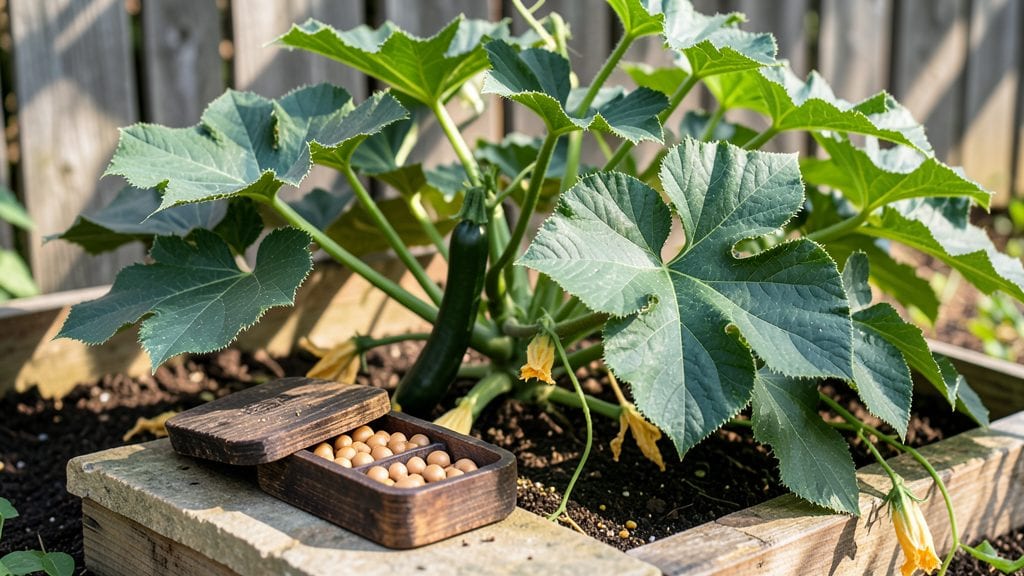
Harvesting zucchini seeds from your garden is one of the easiest ways to grow heirloom-quality 🎃 plants next year—but only if you time it right.
Did you know that saving zucchini seeds from your garden can save you money and ensure heirloom-quality plants next season—but timing is everything? Harvesting at the wrong stage means poor germination or weak seedlings. Here’s how to do it right.
If you’ve ever let a zucchini sit too long on the vine, you’ve probably noticed it turning yellow and shriveled. That’s actually the perfect moment to collect seeds—when the fruit is fully mature and starting to dry out.
In this guide, I’ll walk you through exactly when to pick those seeds, how to clean and dry them properly, and the best storage tips to keep them viable for planting next spring.
When to harvest zucchini seeds for maximum germination rates
Saving zucchini seeds from your garden is one of the most rewarding ways to ensure heirloom-quality plants next season—but timing is absolutely critical. Harvesting seeds too early leads to poor germination rates, while waiting too long risks moldy or non-viable seeds.
The 3-4 week window after flowering is your sweet spot for maximum seed viability. This period ensures seeds have fully matured while avoiding overripeness.
To identify the perfect moment, focus on three key visual cues: the seed pod's dryness, the seed color, and the seed firmness. Overripe seeds often shrivel or develop mold, while underripe seeds remain soft and pale.
Mastering these signs guarantees you’ll collect seeds that sprout 90% or better—far higher than store-bought varieties.
Here’s the golden rule: Wait until the zucchini fruit turns yellow or brown at the stem end and the skin becomes paper-thin. At this stage, the seeds inside are fully hardened, ready for extraction. Skipping this step means sacrificing seed longevity and germination success—so don’t rush!
Another pro tip: Avoid harvesting seeds from overripe or pest-damaged zucchinis. These often harbor fungal spores or insect eggs, which can contaminate your entire seed batch. Instead, prioritize healthy, disease-free fruits with no signs of rot or blemishes. Your future garden will thank you!
🚨 summary-table 🚨
Understanding the seed maturity timeline is your secret weapon. Zucchini flowers typically last 24-48 hours, and seeds take 3-4 weeks post-pollination to reach peak viability. Mark your calendar or set reminders when you spot newly opened flowers—this helps track the harvest window accurately.
Pro growers even use colored flags on plants to monitor flowering dates!
One common mistake I see is harvesting seeds directly from overripe zucchinis that have fallen to the ground. While these might look dry, they’re often contaminated or too old.
Instead, harvest seeds from firm, healthy zucchinis that are just turning yellow at the stem. This balance ensures clean, high-quality seeds ready for storage.
For heirloom varieties, precision matters even more. These plants often have lower germination rates naturally, so harvesting at the exact optimal stage becomes even more critical. Pay extra attention to seed color: ripe zucchini seeds should be creamy white to light tan, not dark or speckled.
Dark seeds often indicate overmaturity or fungal exposure.
If you’re unsure whether your seeds are ready, perform the firmness test: Squeeze the zucchini gently. If the skin cracks easily and the seeds rattle inside, they’re ready.
If it feels spongy or soft, wait another week. This simple test saves hours of frustration later when seeds fail to sprout.
Finally, avoid harvesting seeds on rainy days. Moisture accelerates mold growth and reduces seed shelf life. Choose dry, sunny days between 10 AM and 4 PM for the best results. Proper timing now means stronger seedlings and a more productive garden next year!
🌱
Step-by-step guide: extracting and drying zucchini seeds properly
Once your zucchini has reached its seed-saving maturity, the next critical step is extracting and drying the seeds correctly. Proper drying ensures high germination rates and prevents mold.
Skipping this step can lead to seeds that either won’t sprout or grow weak plants. Let’s walk through the process from seed extraction to long-term storage.
Start by selecting fully mature zucchini with seeds that are plump and dark. Avoid any fruits that show signs of pest damage or disease, as these can compromise seed quality. The goal is to preserve seeds that will grow into healthy, vigorous plants next season.
- Step 1: Cut open the zucchini lengthwise and scoop out the seeds and gel into a bowl. Rinse under cool water to remove any remaining pulp.
- Step 2: (Optional) Ferment the seeds for 1-3 days in water to remove pulp residue and prevent mold. This step is especially useful for heirloom varieties.
- Step 3: After fermenting (or rinsing), spread seeds on a paper towel or seed drying screen in a single layer. Ensure good air circulation to speed up drying.
- Step 4: Place the seeds in a warm, dry location (like a sunny windowsill) for 5-7 days, stirring occasionally. They’re ready when they’re hard and dry to the touch.
- Step 5: Store dried seeds in paper envelopes or glass jars with a silica gel packet to absorb moisture. Label with the variety name and harvest year.
One of the most common mistakes is using plastic bags for storage, which traps moisture and leads to mold. Always opt for breathable containers like paper envelopes or glass jars to maintain seed viability for up to 5 years.
If you notice any seeds turning discolored or slimy during drying, discard them immediately to avoid contaminating your entire batch. Proper drying is key to ensuring your seeds remain viable and mold-free for next season’s planting.
For heirloom varieties, consider labeling each batch with the exact variety name and harvest date. This helps track which seeds perform best in your garden conditions, allowing you to refine your seed-saving process over time.
With these steps, you’ll have a reliable supply of high-quality zucchini seeds ready for planting, saving you money and ensuring your garden thrives with heirloom-quality produce year after year.