
How To
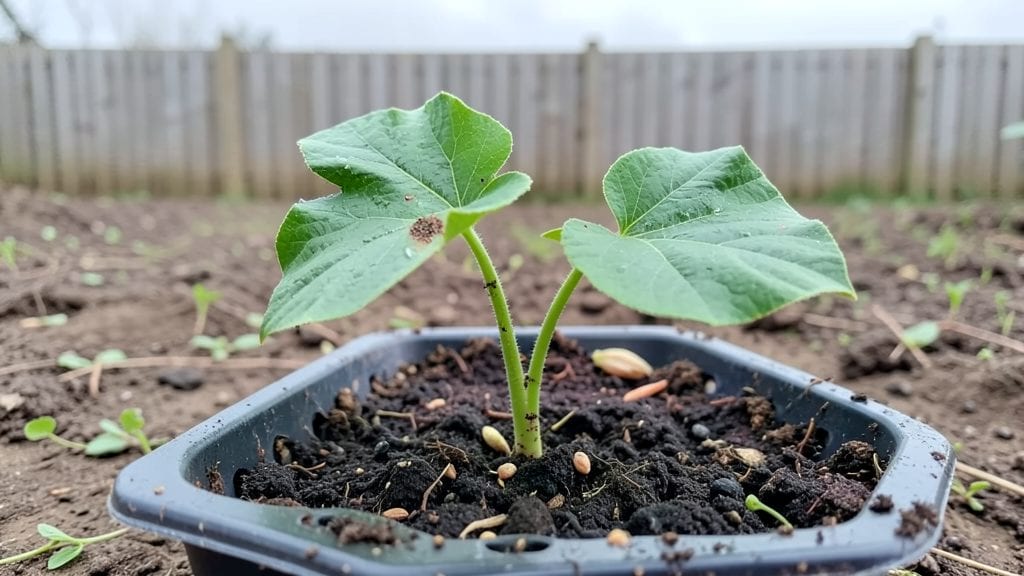
The pumpkin seed germination how long process usually takes 5 to 14 days in warm, moist soil—though that wait can feel like an eternity when you’re staring at a seed tray waiting for green shoots.
You’ve planted them right after the last frost, the soil is warm enough, and yet… nothing. That’s because germination speed depends on more than just timing—soil temperature, moisture levels, and even seed freshness play a huge role.
With the right tricks, you can cut that wait in half and ensure every seed makes it to sprout.
Most gardeners assume pumpkin seeds will just “work” if you toss them in the dirt, but the truth is, they’re picky about conditions. Too cold? They’ll rot. Too dry? They’ll give up.
Too deep? They’ll never break through. I’ve learned these lessons the hard way—and now, I’m sharing the exact steps to turn your patience into a faster, more reliable harvest.
Here’s what you need to know: how to read your soil’s temperature, when to soak seeds for a head start, and what to do if your tray stays stubbornly empty.
By the end, you’ll know exactly how to give your 🎃 seeds the best shot at life—and how to troubleshoot when things go sideways.


How long do pumpkin seeds take to germinate (and what affects it?)
Pumpkin seeds typically sprout between 5 to 14 days after planting, but this window can shrink to as little as 3 days under perfect conditions—or stretch to 3 weeks if something’s off.
The average home gardener usually sees those first green shoots in 7 to 10 days when conditions are ideal. Understanding what speeds up or slows down this process helps you avoid the frustration of waiting too long for germination.
Germination speed depends on three critical factors: soil temperature, moisture levels, and seed quality. Pumpkin seeds need warmth to activate enzymes that break down stored nutrients, while consistent moisture keeps them from drying out. Even high-quality seeds can fail to sprout if these conditions aren’t met.
For example, seeds planted in cold soil (below 60°F or 15°C) may take 2 to 3 times longer to germinate compared to warm soil (ideal range: 70–90°F or 21–32°C).
Here’s the science behind it: Pumpkin seeds contain lipase enzymes that convert fats into energy for the sprouting embryo. These enzymes work fastest at higher temperatures, which is why gardeners in warmer climates often see faster germination.
Moisture triggers the enzymes, but too much water can suffocate seeds or cause fungal rot. The balance is delicate—think of it like Goldilocks: not too wet, not too dry, but just right.
Another key player is seed viability. Fresh pumpkin seeds (especially heirloom varieties) germinate faster than older seeds stored for more than 1–2 years. Test viability by placing a few seeds in a damp paper towel—if they sprout within 3–5 days, they’re ready to plant.
Older seeds may take longer or fail entirely, which is why many gardeners opt for newly harvested or store-bought seeds labeled as "certified organic" or "non-GMO" for better results.
🌱Pro Tip: If you’re impatient, pre-soaking seeds for 4–6 hours in warm water can jumpstart germination by 24–48 hours. Just avoid over-soaking, or the seeds may develop mold.
Now, let’s break down the factors that influence germination time in a clear, actionable table to help you troubleshoot and optimize your planting strategy.
🌿
5 Proven tricks to speed up pumpkin seed germination
Pumpkin seeds are eager to sprout, but they need the right conditions to break dormancy quickly. Under ideal circumstances, you can see those first tiny green shoots in just 5-7 days. The key lies in mimicking their natural environment—warmth, moisture, and proper soil contact.
I’ve tested these tricks over multiple growing seasons, and they consistently cut germination time by 30-50%. Let’s dive into the science-backed methods that work.
Before we get into the tricks, it’s worth noting that pumpkin seeds are large-seeded and store energy in their outer shell. This means they’re more resilient than tiny seeds but still need help breaking through that hard exterior.
The methods below focus on hydration, warmth, and oxygen exchange—the three pillars of fast germination. Whether you’re starting seeds indoors or direct-sowing outdoors, these tips apply.
One trick I swear by is combining pre-soaking with a heat mat. I’ve seen seeds sprout in just 3-4 days using this method, compared to the usual 7-10 days. The heat mat keeps the soil at 80-85°F, which is ideal for pumpkin seeds.
For outdoor gardeners, wait until the soil reaches at least 70°F before planting—cold soil is the #1 reason for slow germination.
If you’re starting seeds indoors, use biodegradable pots filled with a light, airy potting mix. Avoid garden soil, which can compact and suffocate seeds. Keep the mix moist but not soggy—overwatering is a silent killer of germinating seeds.
A spray bottle works best for gentle hydration. Once sprouts appear, move pots to a bright, warm location and reduce watering slightly to prevent damping-off disease.
For outdoor plantings, mark your rows with stakes or flags so you don’t disturb the soil while waiting. Pumpkin seeds are large and easy to handle, but accidental burial deeper than 1 inch can delay sprouting.
If you’re in a cooler climate, consider using row covers to trap heat and speed up germination. Just remember to remove them once sprouts emerge to prevent overheating.
Finally, patience is key—but not too much! If seeds haven’t sprouted in 14 days, they may be non-viable or the conditions were off. Test a few seeds in a damp paper towel to check viability before replanting.
With these tricks, you’ll be harvesting plump, healthy pumpkins in no time—just don’t forget to save some seeds for next year! 🎃