
Propagation
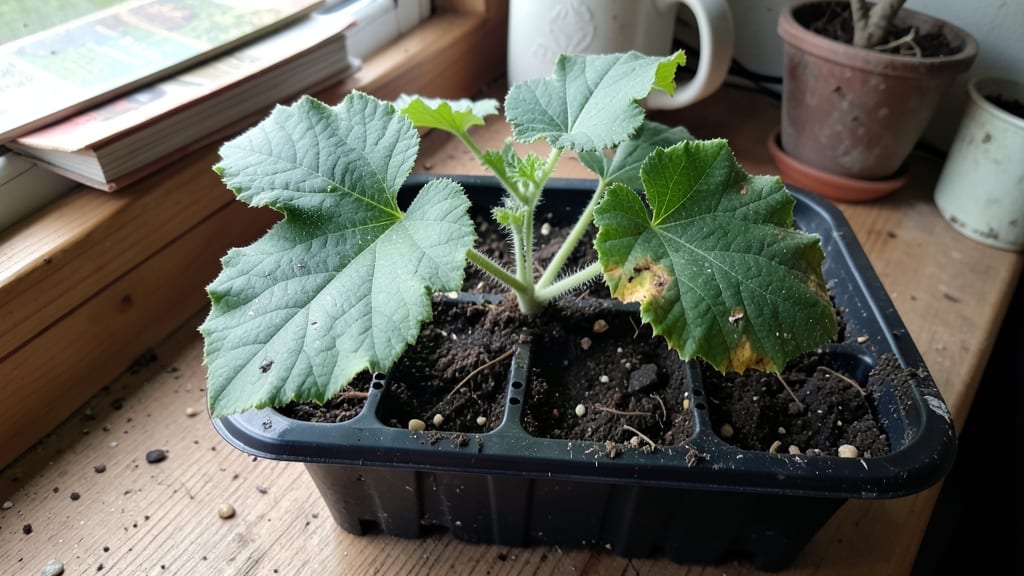
You can start cucumber seeds indoors with the right conditions—plant them 3-4 weeks before the last frost in biodegradable pots using moist, well-draining seed-starting mix, then harden off seedlings for 7-10 days before transplanting outdoors. Maintain consistent warmth (70-90°F) and avoid overcrowding for best germination.
Indoor seed starting works best when you mimic a greenhouse environment. Cucumbers thrive in warmth and humidity, so placing pots on a heat mat and covering them with plastic wrap can speed up germination.
I’ve found that keeping soil consistently moist—without sogginess—prevents mold while encouraging strong root development. Once sprouts appear, provide bright indirect light (like a south-facing window or grow lights) to prevent leggy seedlings. 🌱
Timing is everything—planting too early risks weak seedlings, while waiting too long cuts your growing season short. Most cucumber varieties need 60-90 days to mature, so adjust your indoor start date based on your region’s frost date.
For example, in Zone 5, I begin seeds in early April, while in Zone 8, late February works better. Pro tip: Use a seedling heat mat to maintain 75-85°F soil temps until sprouts emerge.
💡 In This Article
- Optimal Indoor Germination Conditions for Cucumber Seeds
- Step-by-Step Guide to Transplanting Cucumber Seedlings Outdoors
Optimal indoor germination conditions for cucumber seeds
Cucumber seeds germinate best when soil temperatures stay between 70-90°F, which is why heat mats become your secret weapon. These devices maintain consistent warmth without the risk of overheating, unlike household heat sources that can create temperature swings.
The ideal range triggers enzymatic activity in the seed that breaks down stored starches into sugars, fueling rapid cell division. Without this warmth, germination can take 10-14 days instead of the usual 5-7 days—a critical difference when working against early spring deadlines. 🔥
Moisture levels play an equally vital role—cucumber seeds need 60-70% humidity around them to prevent drying out while avoiding waterlogged conditions that suffocate roots. Think of it like a damp sponge: the soil should hold moisture without pooling.
I've found that covering pots with plastic wrap creates this microclimate, while also preventing fungal growth by limiting airflow. Too little moisture causes seeds to dry out before sprouting, while excess water triggers rot.
The key is checking soil moisture daily by pressing your finger 1 inch deep—it should feel like a wrung-out sponge.
Light exposure during germination is often misunderstood—seeds actually need darkness to sprout, but seedlings require 12-16 hours of light daily afterward. This two-phase approach prevents leggy growth (where seedlings stretch toward light).
Place pots in a warm, dark spot until sprouts appear, then move them to bright indirect light or grow lights positioned 2-3 inches above the seedlings. Without sufficient light, chlorophyll production drops by 40%, leading to weak stems that can't support the plant's weight later. 💫
Humidity control extends beyond soil moisture—cucumber seedlings benefit from elevated humidity levels (50-60%) to prevent transpiration stress. Place a shallow tray filled with water and pebbles beneath pots to create a humid microclimate, or group seedlings together to share moisture.
This mimics tropical greenhouse conditions where cucumbers originate. The trade-off? Higher humidity increases disease risk, so avoid overhead watering and use sterile seed-starting mix. A small fan on low setting can help circulate air while maintaining humidity levels.
Household tools can simulate professional greenhouse conditions surprisingly well. A clear plastic dome over pots traps heat and humidity, while a simple LED grow light (like those used for herbs) provides full-spectrum light for $20-$40.
Even a well-placed south-facing window can work if you rotate pots daily to prevent uneven growth. The goal is to create an environment where seedlings grow 1-2 inches per week—a clear sign you're meeting their needs.
Without proper conditions, growth slows to ½ inch per week, delaying your outdoor transplant timeline by 2-3 weeks. ✨
What most gardeners overlook is the soil's role in heat retention. Dark-colored pots absorb and radiate heat better than light-colored ones, creating a 5-10°F warmer microclimate at the soil surface. Pair this with a heat mat and you've effectively doubled your warming capacity.
For those without heat mats, try placing pots on top of a refrigerator or in a sunny spot near a south-facing wall—just monitor temperatures closely to avoid overheating.
The right conditions don't just speed germination; they build stronger root systems that translate to 30% higher yield potential when transplanted outdoors. 🌱