
How To
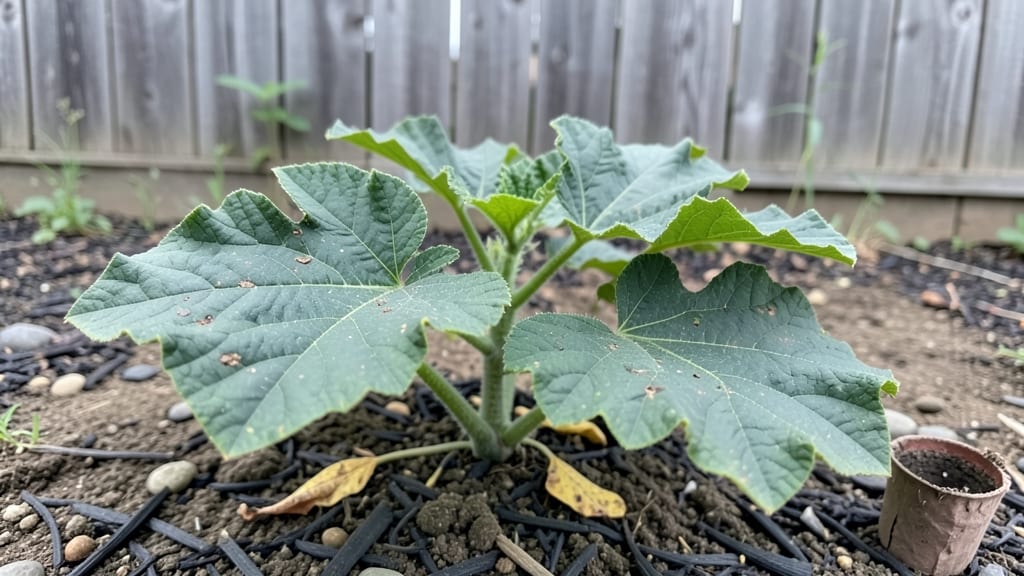
Wondering how long pumpkin seeds germinate?
They usually sprout in 3 to 10 days—though I’ve seen stubborn ones take up to two weeks—when conditions are just right, and that first little taproot breaking through the soil feels like a tiny miracle unfolding. knowing the science behind it makes the wait feel less like guessing.
The key isn’t just time, but temperature, moisture, and how deep you plant them.
Warm soil between 70°F and 90°F speeds things up dramatically—too cold, and germination drags out for weeks. Keep the soil damp (not soggy) and planted just 1 inch deep, and you’ll spot the first signs of life sooner.
Those early days are critical: if the soil dries out or stays too cool, seeds can give up entirely. I’ve lost count of how many times I nearly gave up, only for sprouts to appear the very next morning.
Look for the radicle—that first white root—emerging in 24 to 48 hours under ideal conditions. Once you see it, the shoot follows within days.
If nothing happens after 14 days, it’s time to troubleshoot: check moisture, test soil temp with a thermometer, or even soak seeds overnight in warm water to break dormancy. Patience pays off—those first green leaves mean you’re on track for pumpkins.
This timeline works for both giant jack-o’-lanterns and small sugar pumpkins, though heirlooms sometimes take the extra time. The same rules apply whether you’re starting seeds indoors or direct-sowing in the garden. Once you master these basics, you’ll turn germination from a gamble into a predictable, rewarding process.
Germination Delays Explained
Understanding why pumpkin seeds take longer—or sometimes fail—to germinate can turn frustration into a learning opportunity. Here’s a breakdown of the key factors that influence germination timing, backed by science and practical insights.
Pumpkin seeds need consistent moisture to kickstart germination, but too little or too much can stall the process. Here’s why:
- Insufficient Water 💧 – Seeds require hydration to activate enzymes that break down stored nutrients (like starches and proteins) into energy for the sprouting radicle (the first root).
If the soil or growing medium is dry, the seed’s metabolic processes slow down or halt entirely. Actionable fix: Keep the growing medium damp (not soggy) by misting lightly 2–3 times daily or using a humidity dome.
- Overwatering or Poor Drainage 🚫💦 – Excess moisture can suffocate seeds by cutting off oxygen, leading to rot before germination.
Compacted or non-porous soils (like clay) trap water around seeds, creating anaerobic conditions. Actionable fix: Use well-draining soil mixes (like coco coir + perlite) and ensure containers have drainage holes. Let the top inch dry slightly between waterings.
- Uneven Moisture Distribution 🌱➡️💧 – If seeds are only moistened on one side (e.g., placed on damp paper towels but not fully enclosed), the embryo may not absorb enough water to trigger germination. Actionable fix: For paper towel methods, fold the towel to encase the seeds completely, or use a spray bottle to ensure even saturation.
Pumpkin seeds thrive in warmth but struggle with extremes. Here’s how temperature affects germination speed:
- Below Optimal Heat 🌡️❄️ – Pumpkin seeds germinate best between 70–90°F (21–32°C). Below 60°F (15°C), enzymatic activity slows dramatically, extending germination time by days or weeks. Actionable fix: Use a seedling heat mat (set to 75–80°F) or place containers near a sunny window.
Avoid refrigeration or cold drafts.
- Inconsistent Heat 🔥➡️❄️ – Fluctuations (e.g., daytime warmth followed by cold nights) confuse the seed’s internal clock, delaying radicle emergence. Actionable fix: Maintain stable temperatures with a thermostat or grow light setup. If outdoors, use row covers or cold frames in cooler climates.
- Overheating 🔥💥 – Temperatures above 95°F (35°C) can denature enzymes or cause seeds to dry out prematurely. Actionable fix: Avoid direct sunlight without ventilation (use shade cloth) or move containers to a cooler, indirect-light area.
Not all pumpkin seeds are created equal—some may be dormant, damaged, or simply past their prime.
- Old or Stored Improperly 📅💀 – Seeds lose viability over time, especially if stored in dry, hot, or humid conditions.
Pumpkin seeds typically retain viability for 4–5 years when stored in a cool, dark, and dry place (like a sealed jar in the fridge). Actionable fix: Test seed viability by soaking a few in water—if they sink (not float), they’re likely still good.
For older seeds, try stratification (a short cold period) to mimic natural winter conditions.
- Improper Harvesting or Handling 🌱🔪 – Seeds harvested too early (before full maturity) or damaged during extraction (e.g., cracked shells) may fail to germinate. Actionable fix: Harvest seeds from fully ripe pumpkins (when the stem turns brown and the rind is hard), rinse, dry thoroughly in a single layer, and store in a breathable container.
- Dormancy Triggers 🌙✨ – Some pumpkin varieties have hard seed coats or require scarification (scratching) to break dormancy. Actionable fix: Lightly sandpaper the seed coat or soak in warm water for 12–24 hours to soften it.
While pumpkin seeds don’t need light to germinate, improper light conditions can misdirect their energy.
- Premature Light Exposure 🌞🚫 – Seeds exposed to light before the radicle emerges may redirect energy toward hypocotyl (stem) growth instead of root development, slowing germination. Actionable fix: Keep seeds in darkness until the radicle breaks through (about 3–7 days).
Use a small box or cover with a damp paper towel.
- Insufficient Light Post-Germination 🌱💡 – Once sprouted, seedlings need light to prevent etiolation (elongated, weak stems). Actionable fix: Provide 12–16 hours of bright light (grow lights or sunny window) after the first leaves appear.
The growing environment plays a critical role in seed success.
- Compacted or Poor-Quality Soil 🏗️🚫 – Dense, clay-heavy soils restrict oxygen flow and water drainage, suffocating seeds. Actionable fix: Use lightweight, airy mixes like peat moss, vermiculite, or coconut coir with perlite for drainage.
- pH Imbalances 🧪🔄 – Pumpkin seeds prefer a slightly acidic to neutral pH (6.0–7.0).
Soils with extreme pH (too acidic or alkaline) can inhibit nutrient uptake. Actionable fix: Test soil pH with a kit and amend with lime (to raise pH) or sulfur (to lower it) as needed.
- Pesticide or Chemical Residue 💊🚫 – Seeds treated with fungicides or grown in contaminated soil may struggle to germinate. Actionable fix: If using store-bought seeds, rinse them in water before planting. For garden soil, avoid fresh manure or chemical fertilizers near seeds.
Pro Tip 💡: Need a quick germination test? Place 10 seeds between damp paper towels in a sealed bag. Check for sprouts in 3–5 days—if fewer than 50% sprout, the batch may need re-evaluation!*
Boost Germination Speed Naturally
Struggling with slow or failed pumpkin seed germination? The good news is that most issues have simple, science-backed fixes—no fancy equipment required! Below, we’ll break down common problems and their solutions, from adjusting moisture levels to tweaking temperature and light exposure.
Follow these steps to turn stubborn seeds into thriving sprouts in record time.
Cause: Poor seed viability, incorrect moisture, or improper storage. Solution:
- Test seed viability first 💡: Place 10 seeds in a damp paper towel, seal in a bag, and check for sprouts in 3–5 days. If fewer than 50% sprout, your seeds may be old or damaged.
- Soak seeds overnight 🌱: Before planting, submerge seeds in warm water for 8–12 hours to soften the outer shell and kickstart hydration.
- Use fresh seeds ⏳: Store-bought pumpkin seeds lose viability after 1–2 years. Opt for seeds from organic pumpkins or reputable seed suppliers.
Prevention Tip: Store seeds in a cool, dry place (below 40°F) in an airtight container with a silica gel packet to extend shelf life.
Cause: Inconsistent temperature, low humidity, or lack of oxygen. Solution:
- Control the heat 🔥: Pumpkin seeds thrive in 70–90°F soil. Use a seedling heat mat if your environment is too cool, or place the tray near a sunny window.
- Boost humidity 💧: Cover the tray with plastic wrap (remove daily to prevent mold) or use a humidity dome. Aim for 80–90% humidity during germination.
- Aerate the soil 🌬️: Overly compacted soil suffocates seeds. Mix in perlite or vermiculite for better drainage and airflow.
Pro Tip: If using a paper towel method, fold the towel loosely to avoid waterlogging—seeds need air to breathe!
Cause: Overwatering, fungal growth, or weak seedlings. Solution:
- Water wisely 💦: Keep soil consistently moist (not soggy). Bottom-watering (placing the tray in a shallow dish of water) prevents fungal issues.
- Use sterile soil 🏥: Sterilize potting mix by baking it at 200°F for 30 minutes to kill pathogens. Alternatively, use coconut coir or a seed-starting mix.
- Thin seedlings carefully ✂️: If multiple seeds sprout in one spot, snip the weakest with scissors at soil level to avoid disturbing roots.
Prevention Tip: Add a sprinkle of cinnamon (natural antifungal) to the soil to deter mold.
Cause: Insufficient light or uneven heat. Solution:
- Provide 12–16 hours of light daily 🌿: Use a grow light 2–3 inches above seedlings if natural light is weak. South-facing windows work but may not be enough.
- Rotate trays weekly 🌀: Prevents seedlings from leaning toward one light source.
- Avoid cold drafts ❄️: Keep seedlings away from AC vents or open windows, which can shock them.
Growth Hack: Place a reflective surface (like aluminum foil) under trays to maximize light exposure.
Cause: Poor soil structure or irrigation mistakes. Solution:
- Fluff the soil 🏗️: Gently loosen soil with a chopstick or toothpick to create air pockets for roots.
- Drain excess water 🚿: Ensure trays have drainage holes. If water pools, empty it immediately to prevent root rot.
- Use a moisture meter 📏: Aim for 40–60% soil moisture—overwatering is the #1 killer of young sprouts.
DIY Soil Mix: Combine 60% potting soil, 30% perlite, and 10% compost for ideal germination conditions.
| Issue | Likely Cause | Quick Fix |
|---|---|---|
| Seeds sprout in 10+ days | Cold soil | Move to warmer spot or use heat mat |
| Seeds rot before sprouting | Overwatering | Reduce water; use well-draining mix |
| Slow, weak sprouts | Low light | Add grow light or rotate trays |
| Moldy soil | High humidity + poor airflow | Increase airflow; reduce watering |
- Pre-sprout seeds 🌱: Place seeds between damp paper towels for 24–48 hours before planting—they’ll sprout in 3–5 days instead of weeks.
- Use a seedling heating pad 🔥: Speeds up germination in cool climates by maintaining ideal temps.
- Label your seeds 📝: Track planting dates to monitor progress and adjust conditions as needed.
By addressing these common pitfalls, you’ll transform your pumpkin seed germination from a guessing game into a predictable, speedy success—with sprouts breaking through the soil in 3–7 days (instead of weeks!). 🚀
Frequently asked questions about pumpkin seed germination
Why do some pumpkin seeds take longer than others to sprout?
Seed age, storage conditions, and variety play a role. Older seeds (over 2 years) often germinate slower or fail entirely. Heirloom varieties may also take 7–14 days, while hybrid seeds typically sprout in 3–7 days. Test viability first by soaking 10 seeds in water—if fewer than 50% sink, they may be dormant or damaged.
Can I speed up germination by soaking the seeds first?
Soaking pumpkin seeds in warm water for 8–12 hours softens the outer shell, allowing moisture to penetrate faster. This can cut germination time by 2–3 days. Just plant them immediately after soaking—don’t let them dry out. For extra speed, use a seedling heat mat to maintain 75–80°F soil temps.
What’s the best soil depth for planting pumpkin seeds?
Plant seeds just 1 inch deep—any deeper delays sprouting because the seedling struggles to push through compacted soil. Use a lightweight mix (like coconut coir + perlite) to ensure good drainage. If planting outdoors, wait until soil temps reach at least 60°F to avoid slow germination.
How do I know if my pumpkin seeds are still viable?
Perform a quick viability test: place 10 seeds between damp paper towels in a sealed bag. Check for sprouts in 3–5 days. If 50% or more sprout, your seeds are good. For older seeds, try scarification (lightly sanding the shell) or stratification (a short cold period) to break dormancy. Store-bought seeds lose viability after 1–2 years.
What should I do if my seeds haven’t sprouted after 2 weeks?
Don’t give up! First, check soil moisture (should feel like a damp sponge) and warmth (70–90°F). If conditions are ideal, the seeds may be dormant. Try pre-sprouting them on damp paper towels for 24 hours, then replant. If still no luck, test new seeds—old or improperly stored seeds often fail to germinate after 14 days.