Plants
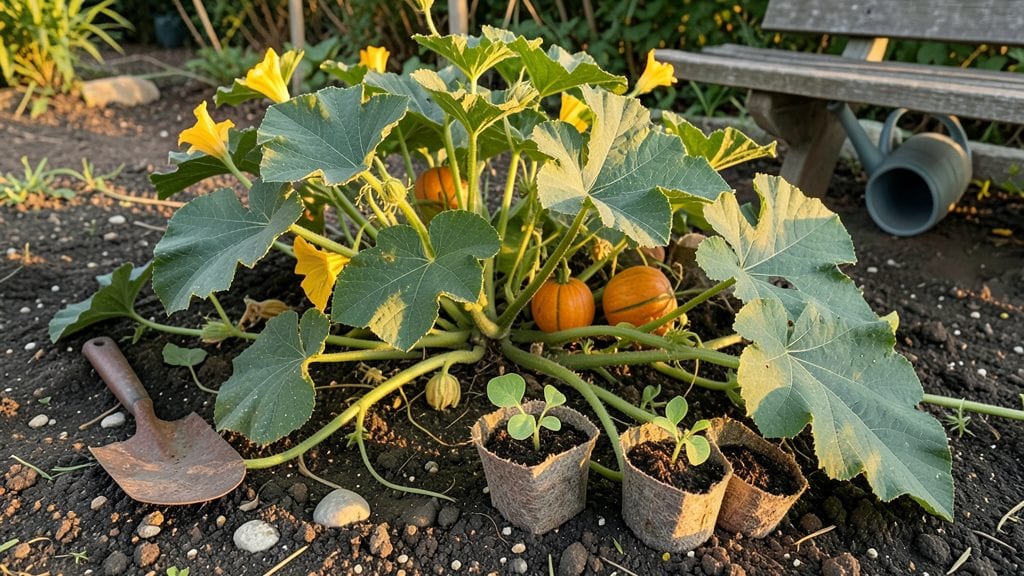
Is it too late to plant pumpkin seeds and still harvest a bounty—if you pick the right varieties and act fast? 🎃
If you’ve been eyeing that pumpkin patch or dreaming of fresh homemade pie, don’t toss those seeds just yet—some varieties can still flourish even when planted after the usual window. But timing matters, and not all pumpkins are created equal when it comes to last-minute growth.
In USDA Zone 6a, where the planting window typically closes by mid-May, you’ve got about 100 days left to grow a pumpkin before the first frost hits. That means fast-maturing varieties—like 'Jack Be Little' or 'Small Sugar'—are your best bet for a harvest before winter sets in.
Below, I’ll break down which pumpkins still have time to thrive, how to stretch the season with row covers or containers, and what trade-offs to expect when you plant late. Let’s make those seeds count!


Best late-season pumpkin varieties that still thrive when planted now
Even if you missed the ideal spring planting window, some pumpkin varieties can still produce harvest-ready fruits when sown in late summer. The key is choosing fast-maturing types with heat tolerance and short vine habits.
These varieties can thrive when planted as late as mid-July in warm climates or early August in cooler regions.
For small-space gardens, consider bush-type pumpkins that stay compact while still delivering large harvests. In cooler climates, opt for cold-hardy varieties that can handle light frosts and still mature before winter sets in. The right choice depends on your last frost date and growing season length.
Days to maturity is the most critical factor when planting late. Varieties with 75-90 days to harvest are ideal for late-season planting. Some even mature in as few as 60 days, making them perfect for container gardening or short-season areas. Below, I’ve curated the best options for your late planting needs.
Soil temperature matters just as much as variety selection. Pumpkin seeds need soil temps above 60°F to germinate, so wait until late July or August in most regions. If your soil is cooler, use black plastic mulch to warm it faster. Heat-tolerant varieties like Cinderella or Jack Be Little are excellent choices for late planting.
Space constraints? No problem. Miniature pumpkins like Munchkin or Wee-B-Little thrive in containers or small gardens while still producing edible, flavorful fruits. These varieties often mature in 80-90 days, giving them enough time to grow even with a shortened season.
Cold-hardy varieties are a game-changer for northern gardeners. Types like Howden or New England Pie can tolerate light frosts and still produce high-quality pumpkins. Plant these 60-70 days before your first frost for best results. They’re also disease-resistant, reducing risks in late-season planting.
🔍 Pro Tip: If you’re planting late, prioritize direct sowing over transplants. Pumpkin seedlings struggle with root disturbance, and late starts already put them at a disadvantage. Plant seeds 1 inch deep and keep soil consistently moist until germination.
For container gardening, Cinderella and Jack Be Little are my top picks. These bush-type pumpkins stay under
Critical factors determining if it’s too late to plant pumpkin seeds
Deciding whether to plant pumpkin seeds late depends on more than just the calendar date. Your local climate zone, last frost date, and even soil temperature play critical roles in determining success. Pumpkins need a long growing season—typically 90-120 days—so late plantings require careful assessment.
Even if your region is still warm, shorter daylight hours in late summer can slow growth, making it harder to reach maturity before frost.
First, check your USDA hardiness zone and average first frost date for your area. For example, in Zone 5, pumpkins planted after July 15 rarely mature before frost, while Zone 9 gardeners might still have time into September.
Use this as your baseline before proceeding. Next, consider your soil temperature: pumpkin seeds need soil that’s at least 60°F (15°C) to germinate, and vines thrive best in 70-90°F (21-32°C) soil.
Planting pumpkin seeds after mid-July in most regions drastically reduces your chances of a successful harvest.
Even fast-maturing varieties like 'Jack Be Little' (75 days) may struggle if planted after August 1 in cooler climates. Daylight hours shrink by 1-2 hours per week after the summer solstice, slowing vine growth and fruit development.
If your first frost is within 90 days of planting, reconsider your timing or opt for container gardening to extend the season.
Your daylight hours are another critical factor. Pumpkins rely on long daylight periods for optimal growth, and shorter days in late summer can stunt vine development. If your region experiences less than 12 hours of daylight, growth slows significantly.
Use a garden timer or local sunrise/sunset app to track daylight changes—anything below 10 hours of sunlight daily makes late planting high-risk.
Don’t overlook soil conditions either. Late-season soil often retains less moisture and may have compacting issues from summer heat. Test your soil’s drainage and pH—pumpkins prefer 6.0-7.0 pH and well-draining soil.
Amend with compost or aged manure to improve fertility and moisture retention. If your soil is too dry or rocky, consider growing pumpkins in raised beds or containers for better control.
Finally, evaluate your pumpkin variety. Not all pumpkins are equal when it comes to late planting. Miniature varieties like 'Baby Boo' (55 days) or 'Mascot' (75 days) are better bets than giant types like 'Atlantic Giant' (120+ days).
If you’re committed to late planting, prioritize fast-maturing, heat-tolerant varieties and use row covers or black plastic mulch to accelerate soil warming and protect young plants.
Before making a decision, run through this quick checklist: ☑️ Is your first frost date at least 90 days away? ☑️ Are your daylight hours above 10 hours daily? ☑️ Is your soil temperature consistently above 60°F (15°C)? ☑️ Have you chosen a fast-maturing variety (under 90 days)?
If you answered "no" to any of these, your late planting may not succeed—but don’t give up yet! With the right variety and care, you might still salvage a small harvest. 🎃