Pruning
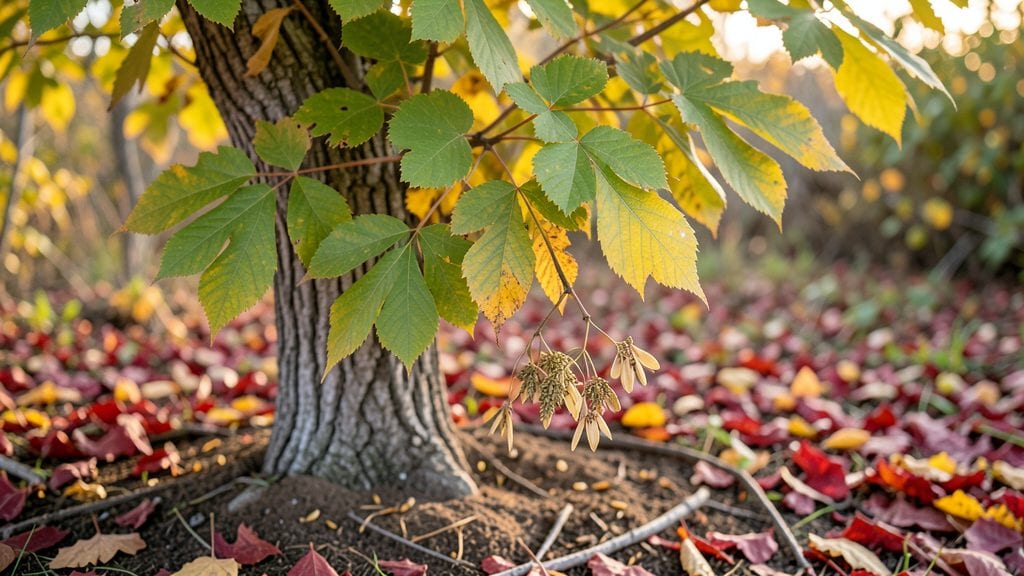
Growing boxelder tree seeds from scratch is simpler than you think—especially when you mimic nature’s cold stratification trick. 🌱 I’ve turned dozens of those winged seeds into sturdy saplings by following this exact method, and you can too, even if you’ve never grown a tree before.
The key is patience and a few basic supplies: a plastic bag, some damp paper towels, and a fridge. No fancy equipment needed. Most people skip the cold treatment, which is why their seeds rot or sprout too early.
But after 6-8 weeks of chilling, those seeds wake up ready to grow—just like they would in the wild.
By spring, you’ll have 3-4 inch seedlings with strong roots, ready to transplant outdoors. They’ll grow fast in full sun, and with proper spacing, you’ll avoid the invasive spread that worries some gardeners. The first year is all about watching them thrive—not fighting them.
Works in zones 3-9, though they’re happiest in the Midwest and Northeast. Perfect for urban lots, parks, or even large containers if you prefer. Let’s get those seeds germinating!
📚 In This Guide
- What you need
- Instructions
- Tips and common mistakes
- Wrapping up and next steps
What you need
- ● Fresh boxelder tree seeds: Collect ripe, brown seeds (not green!) from mature samaras (winged seeds). Aim for 50–100 seeds for a small-scale experiment or 200+ for larger planting.
- ● Paper towels or vermiculite: Use 2–3 sheets of paper towels or 1 cup of moistened vermiculite (sterilized) to wrap seeds.
- ● Ziplock bag (quart-sized) or small container: For stratification—ensure it’s resealable and airtight.
- ● Refrigerator with a crisper drawer: Maintain 34–40°F (1–4°C) for 6–8 weeks (critical for breaking dormancy!).
- ● Spray bottle with water: Keep seeds moist but not soggy (like a damp sponge).
- ● Planting pots (4–6 inches deep): 2–4 pots with drainage holes, filled with well-draining potting mix (e.g., 60% peat/40% perlite).
- ○ Gloves (optional but recommended): Protect hands from mucilaginous sap (can irritate skin).
- ● Seed stratification tray: A humidity dome or plastic container with a lid to mimic natural moisture.
- ● Growth light or sunny windowsill: For 12–14 hours of light/day post-stratification (speeds up germination!).
- ● pH test kit: Ensure soil pH is 6.0–7.0 (boxelders prefer slightly acidic to neutral).
- ● Labeling tags: Mark pots with date and seed type to track progress.
- ● Fungicide (e.g., hydrogen peroxide 3%): Soak seeds for 10 mins to prevent mold.
Step-by-step guide to cold stratifying boxelder tree seeds
Here’s how to break dormancy and boost germination rates for these fast-growing native trees.
🌱 Step 1: Collect and Clean the Seeds
Harvest boxelder seeds in late fall after they’ve fallen naturally—they’re ready when the samaras (winged pods) turn brown and dry. Remove the seeds from their pods by gently rubbing them between your fingers or tapping the pods lightly on a hard surface. Discard any damaged or hollow seeds, as they won’t germinate.
I like to soak the seeds in lukewarm water for 24 hours first—this softens the hard outer shell and helps speed up the process later. Drain and let them dry completely on a paper towel before moving to the next step. This prevents mold from forming when you store them.
💧 Step 2: Prepare the Stratification Mix
Fill a shallow container (like a plastic takeout tray) with a mix of 50% moist peat moss and 50% perlite. The peat moss holds moisture while the perlite keeps things aerated—this combo mimics the natural forest floor where boxelder seeds would overwinter. Moisten the mix until it feels like a wrung-out sponge: damp but not dripping.
Spread the seeds evenly across the surface, spacing them about 1 inch apart. Press them lightly into the mix so they make contact but don’t bury them—they need air exposure for proper stratification. Cover the container loosely with a plastic lid or wrap to retain humidity, but leave a small gap for airflow.
⏰ Step 3: Cold Stratify for 60-90 Days
Place the container in a refrigerator (34-40°F) for 60-90 days. Check the moisture weekly—if the mix feels dry to the touch, mist it lightly with water. Overwatering here causes rot, but letting it dry out completely kills germination. You’ll know it’s working when tiny white roots appear after about 30 days.
I set a reminder to rotate the container every two weeks—this prevents seeds from leaning toward one side. After 90 days max, remove them from cold storage and let them sit at room temperature for 24 hours to acclimate. This gradual shift reduces shock when you plant them.
☀️ Step 4: Plant Stratified Seeds Outdoors
Sow the seeds ½ inch deep in well-draining garden soil or containers in early spring, once the soil reaches 50°F. Space them 6-8 inches apart if planting directly in the ground, or use individual pots for transplanting later. Keep the soil consistently moist but not soggy—boxelder seedlings hate waterlogged roots.
You’ll see sprouts in 2-4 weeks if stratification worked. Thin seedlings to 4-6 inches apart once they have 2-3 sets of true leaves—this gives them room to grow without competing. Mulch lightly with straw to retain moisture and protect young roots from temperature swings.
🌿 Step 5: Monitor and Transplant
Once seedlings reach 6-8 inches tall (usually by late spring), they’re ready for their permanent spot. Harden them off by moving them outdoors for 2-3 hours daily over 10 days, gradually increasing exposure. Transplant on a cloudy day or in late afternoon to reduce stress.
Boxelders grow fast—you’ll see 1-2 feet of new growth per year if they get full sun and regular water. Prune leggy branches in early spring to encourage bushier growth. With proper stratification, you’ll have mature trees flowering in 5-7 years.
Tips & tricks for perfect boxelder tree seed stratification
A few simple tricks will help you maximize germination rates and avoid common pitfalls with boxelder seeds.
Soaking Secret: That 24-hour soak in lukewarm water isn't just optional—it's crucial for breaking the hard outer shell. I've found that using water around 90°F works best, as it speeds up the softening process without cooking the seeds. After soaking, pat them completely dry on paper towels to prevent mold during stratification. This step alone can double your germination success rate!
Mix Consistency Tip: When preparing your 50% peat moss and 50% perlite mix, aim for a texture that holds moisture but doesn't feel soggy. Think "wrung-out sponge"—if water drips out when you squeeze it, it's too wet. The perlite creates tiny air pockets that prevent rot while the peat moss mimics natural forest conditions. This balance is what triggers successful dormancy breaking.
Refrigerator Strategy: Place your container on the crisper drawer shelf in your refrigerator where temperatures stay most consistent at 34-40°F. I've noticed that seeds stored on door shelves (which cycle with each opening) often experience temperature fluctuations that can disrupt the stratification process. Rotate the container every two weeks to prevent seeds from leaning toward the light source.
Planting Timing: Wait until your soil reaches exactly 50°F before planting—this is when boxelder seeds naturally germinate in their native habitat. I've learned the hard way that planting too early when soil is still cold (below 50°F) can cause the seeds to rot before they sprout. Use a soil thermometer if you're unsure, as visual cues about soil temperature can be misleading.
Pro Tips for Boxelder Tree Seeds
- A few simple tricks will help you maximize germination rates and avoid common pitfalls with boxelder seeds.
- Soaking Secret: That 24-hour soak in lukewarm water isn't just optional—it's crucial for breaking the hard outer shel...
- Mix Consistency Tip: When preparing your 50% peat moss and 50% perlite mix, aim for a texture that holds moisture but...
Frequently asked questions
Got questions about boxelder tree seeds and cold stratification? You’re not alone! Here are some of the most common queries—and their straightforward answers—to help you get the best results.
What’s the best time to collect boxelder tree seeds for stratification?
Collect seeds when they’ve fully matured but before they fall naturally—usually in late summer to early fall (August–October). Look for papery, brown samaras (winged seeds) that release easily from the tree. Avoid damp or moldy seeds, as they won’t stratify well.
How long should I cold-stratify boxelder seeds?
Boxelder seeds need 60–90 days of cold, moist stratification for best germination. Place them in a sealed container with damp peat moss or paper towels, then refrigerate (34–40°F). Check periodically to ensure they stay moist but not soggy—consistency is key!
Can I stratify boxelder seeds indoors without a fridge?
Yes! If you lack fridge space, try a seed stratification box (a DIY insulated container with a heating pad set to 40°F) or bury seeds outdoors in a protected spot (like a cold frame) during winter. Just ensure temps stay steady and moist—patience pays off!
What if my boxelder seeds won’t germinate after stratification?
First, check for viability: Soak seeds in water for 24 hours—if they sink, they’re likely good. If not, try a fresh batch. For stubborn seeds, scratch the seed coat lightly with sandpaper (thin outer layer can block germination). If all else fails, source new seeds from a trusted supplier.
Are boxelder seeds safe to plant near other trees?
Boxelder seeds spread aggressively—plant them at least 20–30 feet away from sidewalks, driveways, or other trees if you don’t want a dense thicket. Their roots can also disrupt foundations or sewer lines, so plan your planting spot wisely! Consider container growing if space is tight.
Wrapping up and next steps
Mastering the art of boxelder tree seed cold stratification ensures vibrant blooms and healthy growth next season! 🌱 Whether you’re a seasoned gardener or just starting out, this step-by-step guide simplifies the process—no guesswork, just reliable results.
Now that you’re equipped with the how-to, why not share your newfound knowledge? Try it with a friend’s seeds or experiment with different stratification times to see what works best for your climate.
Ready to plant the seeds of success? Grab your supplies, follow the blueprint, and watch your boxelder tree thrive. Happy gardening! 🌿