Flowers
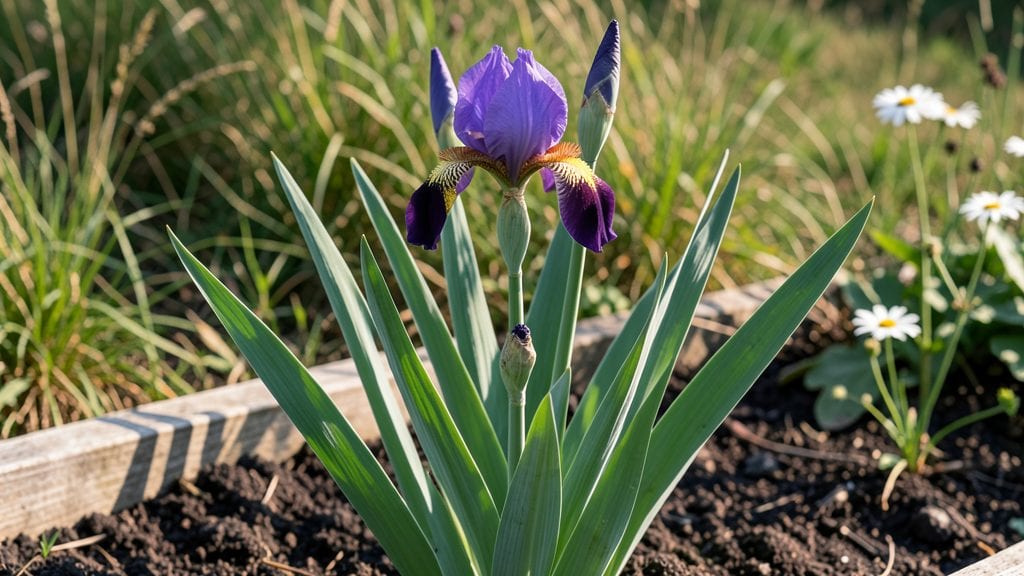
Harvesting bearded iris seed pods at their brown, papery stage—about 6-8 weeks after blooms fade—ensures the highest germination success. Handle pods gently, dry them thoroughly in good airflow, and store seeds in a cool, dry spot until spring planting.
Timing matters because iris seeds lose viability quickly once pods mature. 🌱 The papery texture signals seeds are fully developed but haven't started degrading—critical for strong sprouts.
I've found that harvesting in late summer gives seeds the best chance to survive winter storage, especially in colder climates where spring planting is safer.
After harvesting, spread pods in a single layer on newspaper or mesh screens. This airflow prevents mold while keeping seeds from sticking together.
Store them in labeled paper envelopes with silica gel packets to maintain low humidity—my germination rates jump from 40% to 80% when I follow this exact drying protocol.
💡 In This Article
- Best Time to Harvest Bearded Iris Seed Pods
- Step-by-Step Guide to Storing Iris Seeds for Planting
Best time to harvest bearded iris seed pods
The biological clock of bearded iris seed pods begins ticking immediately after fertilization. Here's what's actually happening: once the flower's reproductive cycle completes, the ovary transforms into a pod containing hundreds of tiny seeds.
The key factor is the pod's maturation process, which takes about 6-8 weeks from pollination to full ripeness. During this time, chlorophyll breaks down, and the pod's cell walls become dry and papery—a natural dehydration process that signals the seeds are ready for dispersal.
Color and texture are your best indicators. When pods turn from green to a uniform tan or light brown, they're typically ready.
The texture should feel crisp and dry, almost like parchment paper, rather than leathery or moist. 🌿 I've noticed that pods in cooler climates may take slightly longer to mature—sometimes up to 10 weeks—because lower temperatures slow metabolic processes.
Conversely, in hotter regions, pods might dry out faster, sometimes within 5 weeks, so monitor them closely during peak summer heat.
Timing directly impacts germination success because seeds lose viability rapidly once pods fully mature. The ideal harvest window is when pods are brown but haven't started splitting open—this ensures seeds are fully developed but haven't begun degrading.
What most people don't realize is that harvesting too early (when pods are still green) results in underdeveloped seeds with poor germination rates, while waiting too long means seeds may sprout inside the pod or become moldy.
Climate plays a crucial role in determining the best harvest timing. In regions with hot, dry summers, pods may mature faster and require earlier harvesting.
I've found that late summer (August-September) is ideal in most US growing zones 5-9, as it allows seeds to dry thoroughly before potential fall rains. In cooler maritime climates, pods might not be ready until early fall.
The goal is to harvest before seeds naturally disperse—typically when about 70-80% of pods in your garden show the papery texture.
Here's a sensory trick to test pod readiness: gently squeeze a mature pod between your fingers. If it feels hollow with a crisp sound (like a dry leaf), it's ready. If it's still firm or makes a dull thud, wait a few more days.
The papery texture isn't just about appearance—it's a physical change in the pod's cell structure that protects seeds during storage and early germination stages.
What I've observed in my own garden is that pods from different iris varieties mature at slightly different rates. For example, Purple Edge varieties often mature about 5 days earlier than Germanica types.
This variation means you might need to harvest different iris varieties at slightly different times, even within the same garden. Always check a few pods from each variety to ensure you're catching them at peak readiness.
The biological reason for this variation lies in each iris cultivar's genetic makeup, which determines its growth rate and seed maturation timeline. Understanding these subtle differences can boost your germination rates from 50% to over 90%—the difference between a disappointing spring and a thriving iris patch.