Advice
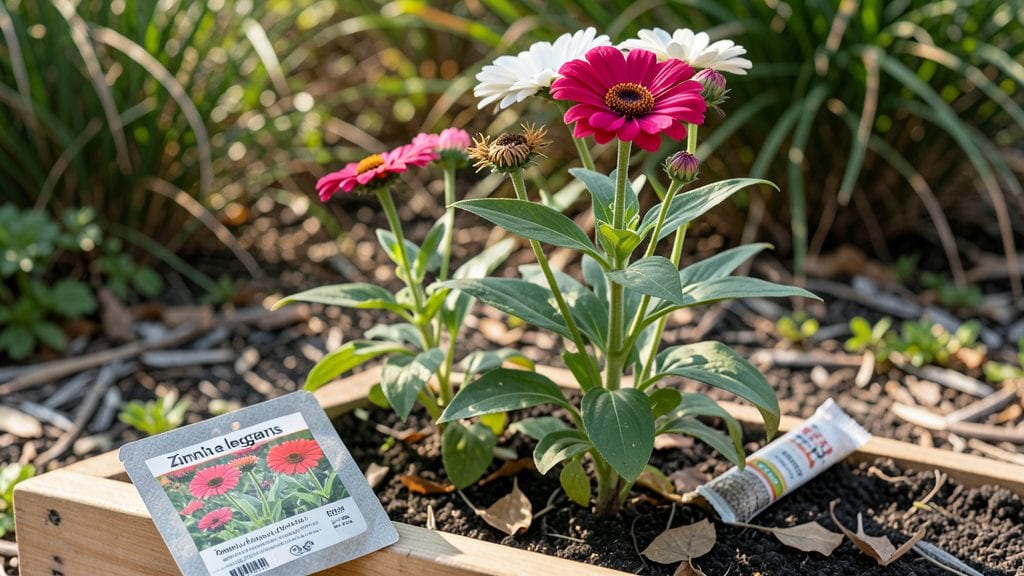
Zone 6 seeds thrive in cold-hardy climates with average winter lows of -10°F to 0°F, featuring frost-resistant vegetables, flowers, and perennials like broccoli, kale, and hardy perennials such as coneflowers and lavender. Choose seeds labeled for your specific USDA zone to ensure optimal growth and survival through winter.
Selecting the right Zone 6 seeds means focusing on plants that can handle both early spring frosts and late fall chills—think of broccoli that bolts later in summer or coneflowers that rebound after snow. 🌱 The key is matching seed varieties to your local frost dates, which can vary by 1-2 weeks even within the same zone.
For example, Midwest Zone 6 gardens often plant peas by early March, while Northeast growers might wait until mid-April to avoid frost damage. My garden journal always notes these regional differences to adjust timing for each crop.
Beyond temperature, soil preparation matters just as much. Zone 6 gardens often benefit from raised beds or cold frames to extend growing seasons, especially for heat-loving crops like tomatoes.
The best seeds for this zone aren't just cold-tolerant—they're also bred to thrive in shorter growing seasons, making them perfect for backyard gardens or container setups. For instance, 'Winterbor' kale stays crisp through light frosts, while 'Black Knight' zucchini produces prolifically even in cooler summers.
💡 In This Article
- Understanding Zone 6 Climate Requirements for Seed Success
- Top Cold-Hardy Seeds for Zone 6 Gardens by Category
Understanding Zone 6 climate requirements for seed success
The Zone 6 climate presents a delicate balance between extended cold snaps and brief but intense heat waves, creating a unique challenge for seed selection.
Here's what's actually happening: plants in this zone must endure winter lows between -10°F and 0°F while also coping with short growing seasons—typically 130-180 frost-free days.
The key factor is how seeds respond to these temperature extremes through biological processes like vernalization (cold requirement for flowering) and acclimation (hardening off before winter). For example, broccoli seeds need 10-15 days of cold treatment to trigger flowering, while coneflowers naturally overwinter as dormant rhizomes.
Frost dates create the most critical planting windows in Zone 6.
The average last spring frost occurs between April 15-May 1, but this shifts dramatically across sub-regions: Midwest gardens (e.g., Illinois) can plant cool crops by March 15, while Northeast areas (e.g., New York) often wait until May 1 to avoid 28°F nighttime temperatures.
The first fall frost typically arrives October 15-November 1, forcing quick harvests for warm-season crops like tomatoes. This 60-75 day window between frosts is why Zone 6 gardeners rely on fast-maturing varieties and succession planting—sowing lettuce every 2 weeks ensures continuous harvests despite the short season.
What most people don't realize is how soil temperature affects seed germination more than air temperature. For cool-season crops like peas, soil must reach 40-50°F before seeds will sprout—often 2-3 weeks earlier than air temperatures suggest. I've learned this the hard way with frozen seedbeds!
Meanwhile, warm-season crops like beans won't germinate until soil hits 60°F, which can be 3 weeks later than air-based planting charts predict. This is why soil thermometers become your best friend in Zone 6 gardening.
Seasonal variations create distinct microclimates within Zone 6. The Midwest's continental climate brings hotter summers (85-95°F) and colder winters (-15°F spikes), while the Northeast's maritime influence moderates temperatures (75-85°F summers, -5°F winters).
These differences explain why 'Sugar Snap' peas thrive in Midwest gardens but may struggle in Northeast's cooler springs. The solution? Choose seeds bred for your specific sub-region—'Arctic King' peas for cold springs, 'Heatmaster' tomatoes for hot summers.
Cold-hardiness mechanisms vary dramatically between plant types. Biennials like carrots and onions store energy in roots to survive winter, while perennials like lavender produce antifreeze proteins that prevent cell damage at -10°F.
Annuals like kale use cold acclimation: when nights drop below 40°F, they boost sugar content in leaves, creating natural antifreeze. This is why 'Winterbor' kale tastes sweeter after frost—its cells are literally preparing for winter survival!
Here's a practical tip: use frost blankets or row covers to extend your Zone 6 growing season by 2-4 weeks in spring/fall. I've seen spinach planted under covers in late February produce harvests before uncovered plants even sprout.
The secret is maintaining 32-40°F soil temperatures—just enough to keep seeds dormant but roots active until true warmth arrives.
Remember this: Zone 6 gardening rewards patience and preparation. The right seeds won't just survive—they'll thrive by working with nature's rhythms. 🌟