Plants
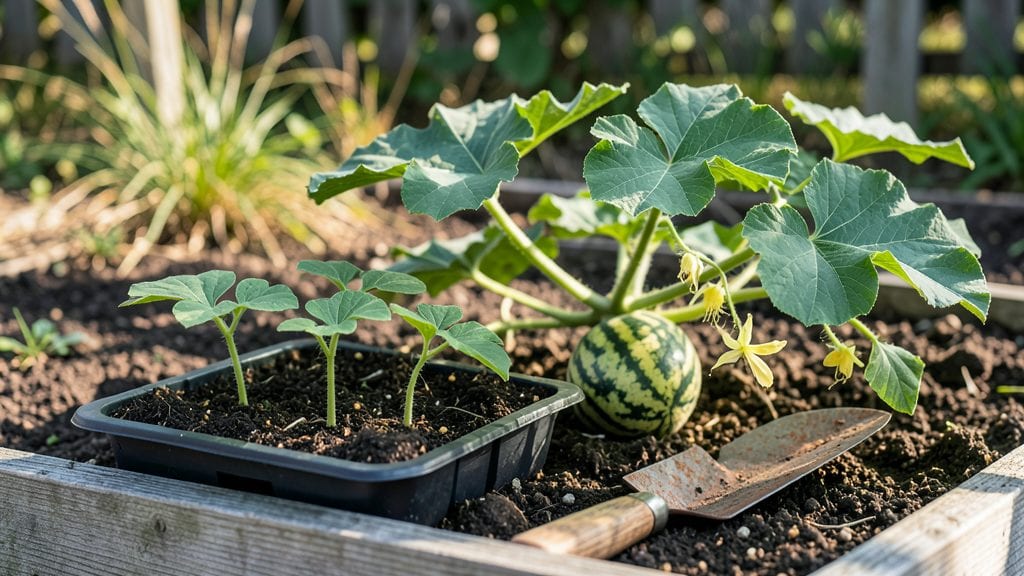
Planting watermelon seeds in California at the right time means the difference between sweet, juicy fruit and bitter disappointment.
California’s warm climate means you can grow watermelons year-round in some regions—but timing is everything. Plant too early, and your 🌱 melons will struggle in cold soil; too late, and the heat arrives before they ripen. Get this wrong, and you’re left with vines instead of harvests.
Here’s the exact schedule for your region—whether you’re in the foggy coast, the Central Valley’s heat, or Southern California’s mild winters—plus how to prep your soil and avoid common mistakes that ruin harvests.
You’ll learn when to start seeds indoors, how to read soil temperatures, and the fastest way to get from seed to slice-ready melon this summer.
Best planting dates for watermelon seeds in California by region
California’s diverse climate means watermelon seeds thrive in different regions—but planting too early or late can ruin your harvest. In Northern California, cooler nights demand precise timing, while the Central Valley’s heat allows longer growing windows.
Meanwhile, Southern California’s mild winters let gardeners plant almost year-round. Let’s break down the exact windows for each region to ensure sweet, juicy fruit.
Watermelons need soil temperatures above 70°F to germinate properly. In cooler regions, this means waiting until late spring, while Southern California can start as early as February. The key is aligning your planting with frost-free dates and heat tolerance thresholds for your chosen variety.
Fast-maturing types (like Sugar Baby) can handle cooler soils, while heirlooms (like Moon and Stars) need consistent warmth.
Here’s how to match your planting dates to California’s three main regions for a foolproof harvest:
🌱
| Region | Climate Notes | Best Planting Window | Soil Temp Requirement | Recommended Varieties | Frost Risk |
|---|---|---|---|---|---|
| Northern CA (e.g., Sacramento Valley, Bay Area) | Cooler nights, last frost dates vary (March–May) | Mid-April to early June | 70–75°F+ (use black plastic mulch to warm soil) | Sugar Baby, Crimson Sweet, Black Diamond | High risk before May 15 in inland areas |
| Central Valley (e.g., Fresno, Bakersfield) | Hot summers, year-round growing possible with succession planting | February–July (plant every 2–3 weeks for continuous harvest) | 75–85°F+ (ideal for fast germination) | Charleston Gray, Crimson Sweet, Yellow Doll | Minimal risk (frost rare after December 15) |
| Southern CA (e.g., Los Angeles, San Diego) | Mild winters, coastal fog can delay growth | February–August (coastal areas plant later to avoid fog) | 65–70°F+ (cooler coastal soils need protection) | Moon and Stars, Sugar Baby, Triple Crown | Low risk (frost rare after January 1) |
In Northern California, I always wait until after the last frost date (typically mid-April) to plant watermelon seeds directly in the ground. Use a soil thermometer to confirm temperatures are above 70°F—cold soils delay germination and lead to weak seedlings.
For coastal areas like San Francisco, even June can be too cool for heirloom varieties, so stick to fast-maturing types like Sugar Baby.
If you’re in the Central Valley, you’re in luck—this region’s heat allows for multiple plantings throughout the year. Start seeds indoors in February for early harvests, then direct-sow every 2–3 weeks until July.
The key here is succession planting: stagger your plantings to ensure a continuous supply of fresh watermelons. Use black plastic mulch to retain soil heat and speed up germination.
For Southern California, where winters are mild, I recommend planting in February–March for spring harvests and again in July–August for fall crops. Coastal areas like Santa Barbara may need to delay until April to avoid coastal fog, which can stunt growth.
In desert regions like Palm Springs, you can even plant in January for early spring melons, but provide afternoon shade to prevent heat stress.
No matter your region, direct-sowing is best for watermelons—they hate transplanting. Plant seeds 1 inch deep and 2 feet apart in hills, with 3–4 seeds per hill.
Thin to the strongest seedling once sprouts emerge. Always choose a sunny, well-draining spot with at least 6–8 hours of sunlight daily, as watermelons are sun worshippers.
One common mistake? Planting too early in cool soils, which leads to rotten seeds or slow germination. If your soil isn’t warm enough, use row covers or black plastic mulch to raise temperatures.
Another tip: water deeply but infrequently—watermelons need 1–2 inches of water per week, but soggy soil causes disease. Drip irrigation is my go-to for consistent moisture without wetting the leaves.
With the right planting dates and a little regional know-how, you’ll be slicing into homegrown watermelons in no time—whether you’re in foggy San Francisco, scorching Bakersfield, or coastal San Diego. The secret? Match your variety to your microclimate and give those seeds the warmth they crave.
🌞
How to adjust planting dates for early vs late varieties in California
Watermelon varieties in California range from 60-day early maturers like Sugar Baby to 90+ day heirlooms such as Moon and Stars. The key to success? Matching your variety to your region’s last frost date and soil temperature—which must stay above 70°F for germination.
Fast varieties need earlier starts, while slow growers thrive with later plantings and extended heat.
In Northern California, where nights can still dip below 50°F in May, I plant fast-maturing varieties as soon as soil warms to 70°F (usually mid-April). Meanwhile, in the Central Valley, where summer heat arrives early, I delay slow-maturing varieties until June to avoid bolting from sudden heat stress.
Southern California’s mild winters even allow fall plantings for late-season harvests.
Here’s how to adjust your planting schedule based on variety and microclimate:
- Fast varieties (60-70 days): Plant 2-3 weeks earlier than slow varieties. In cooler regions, start seeds indoors at 75°F 3 weeks before last frost, then transplant when soil hits 70°F. Example: Sugar Baby in Sacramento goes in mid-April.
- Slow varieties (80+ days): Wait until after Memorial Day in most of CA to ensure 100+ days of warm soil. In hot inland valleys, delay until June to avoid heat shock during germination. Example: Crimson Sweet in Bakersfield starts late May.
- Soil temperature rule: Use a soil thermometer—watermelon seeds won’t sprout below 70°F. In coastal areas, black plastic mulch warms soil 5-10°F faster than bare earth. In desert regions, shade cloth protects young seedlings from 100°F+ days.
- Extend seasons: Use row covers to plant 3 weeks earlier in spring or 2 weeks later in fall. Remove covers when vines start running to prevent heat buildup. In Southern CA, I’ve had success with fall plantings in September for Thanksgiving harvests!
- Succession planting: For continuous harvests, stagger plantings every 2 weeks in long growing seasons. In Los Angeles, I plant early varieties in March and late varieties in July for a 6-month harvest window.
Pro tip: Black plastic mulch isn’t just for warmth—it also suppresses weeds and reduces soil-borne diseases. I lay it down 1-2 weeks before planting to give it time to heat up.
Pair this with drip irrigation to keep roots moist without wetting foliage, which prevents powdery mildew in California’s humid summers.
For coastal gardeners, where fog delays warming, I recommend warm-season crops like Sugar Baby or Black Diamond, which mature in 60-70 days. Inland growers can experiment with heirlooms like Moon and Stars, but be prepared for larger vines and more space requirements.
Always check your variety’s days to maturity and count backward from your first expected frost.
Remember, overheating is just as dangerous as underheating. If your area hits 95°F+ consistently, provide afternoon shade for seedlings until they establish roots. With the right timing, you’ll go from seed to slice in record time—no bitter surprises here! 🌱💧☀️