
How To
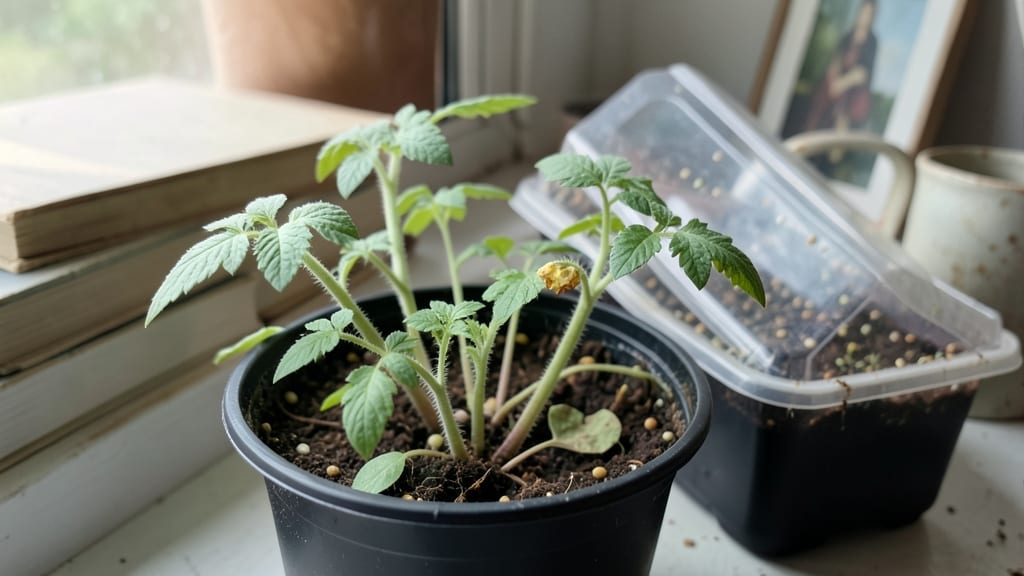
Tomato seeds not germinating can feel like a mystery—until you know the hidden triggers like moisture, temperature, or even seed age. I’ve had entire trays of seeds stare back at me blankly, but these simple fixes turned my stubborn seeds into sprouts within days.
The key isn’t just patience; it’s giving them the right conditions from day one, whether that means a warm spot, a quick soak, or a gentle scratch to break their tough shells.
Most failures come down to three things: seeds that are too old, soil that’s either too dry or too soggy, or temperatures that are either too cold or too hot.
I learned the hard way that even the fanciest seed packets can’t outgrow bad conditions—so we’ll tackle each one with practical tests and adjustments.
A quick viability check with a glass of water can save you weeks of waiting, and a simple heat mat or sunny windowsill makes all the difference.
By the end, you’ll have seeds pushing through soil in under a week, not months. Imagine those first tiny green hooks breaking the surface—it’s the most rewarding part of gardening, and it’s easier than you think. We’ll cover exactly how to create the perfect sprouting environment, from scratch.
This works for heirlooms, hybrids, and even those tricky cherry tomato varieties that seem to need extra coaxing. Whether you’re dealing with a single stubborn seed or a whole tray of no-shows, these steps will get your garden started right. Let’s turn those empty cells into a jungle of seedlings.
The Hidden Reasons Seeds Stay Silent
When your tomato seeds refuse to sprout, it’s rarely just bad luck—it’s usually a mix of overlooked factors. Understanding these causes is the first step to fixing the problem. Let’s break down the science behind why your seeds might be playing hard to grow.
Tomato seeds need a consistent, warm environment to germinate—typically between 70–85°F (21–29°C). If your soil is too cold (<60°F/15°C), seeds may stay dormant, while extreme heat (>90°F/32°C) can cook them before they sprout.
- Cold soil: Metabolic processes slow down, delaying germination. Seeds may rot if moisture is added without warmth.
- Heat stress: Enzymes responsible for breaking down seed reserves (like starches) become inactive, starving the embryo.
- Solution: Use a seedling heat mat (🔥), place trays near a sunny window, or cover with plastic wrap to trap warmth.
Seeds need steady moisture—not soggy, not bone-dry—to activate germination. Too much water cuts off oxygen, causing anaerobic conditions (seeds suffocate). Too little prevents the seed coat from softening, blocking the embryo’s escape.
- Overwatering: Leads to fungal growth (like Pythium) or seed rot. Trapped water also creates a hypoxic environment, where seeds can’t respire properly.
- Underwatering: The seed coat stays rigid, preventing the radicle (root) from breaking through.
- Solution:
- Keep soil consistently damp (like a wrung-out sponge).
- Avoid bottom-watering if your tray lacks drainage.
- Mist seeds lightly with a spray bottle instead of pouring.
Even the best-intentioned gardener can end up with seeds that won’t germinate because they’re past their prime. Tomato seeds typically stay viable for 4–6 years, but humidity, light exposure, and improper storage accelerate aging.
- Old seeds: Lipids in the seed degrade over time, reducing energy for the embryo. A simple float test can check viability: Drop seeds in water—if they sink, they’re likely good; if they float, they’re dead.
- Improper handling: Rough scratching or crushing the seed coat can damage the embryo inside. Even over-soaking (e.g., 24+ hours) can leach vital nutrients.
- Solution:
- Store seeds in a cool (50–60°F/10–15°C), dry place in airtight containers.
- Test a few seeds in a separate pot to confirm viability before committing to a full batch.
- Buy fresh seeds (<1 year old) for higher germination rates.
Contrary to popular belief, most seeds germinate better in darkness—tomato seeds included. Light can trigger premature sprouting or even photoinhibition, where chlorophyll production starts too early, draining the seed’s energy reserves.
- Lack of darkness: Seeds exposed to light may produce weak, leggy sprouts or fail to germinate at all.
- Poor aeration: Compacted or waterlogged soil restricts oxygen, slowing down cellular respiration—the process that fuels germination.
- Solution:
- Cover seeds with 1/4 inch of soil (or a damp paper towel) to block light.
- Use a well-draining mix (e.g., 50% peat moss, 50% perlite) to prevent compaction.
- If using a tray, poke small holes in the bottom for airflow.
Sometimes, the problem isn’t the seed—it’s the environment. Soil pH, salinity, or residual chemicals can create an inhospitable zone for germination.
- High salinity: Fertilizer residues or tap water with high mineral content can osmotically stress seeds, preventing water uptake.
- Extreme pH: Tomato seeds prefer a slightly acidic to neutral pH (6.0–7.0). Soil that’s too alkaline (>7.5) locks out essential nutrients like phosphorus, stalling growth.
- Pesticide/fungicide carryover: If seeds were treated or soil was recently sprayed, residual chemicals can inhibit germination.
- Solution:
- Flush soil with rainwater or distilled water to reduce salinity.
- Test soil pH with a kit and amend with sulfur (to lower pH) or lime (to raise it) if needed.
- Use seed-starting mix (sterile and chemical-free) instead of garden soil.
Now that you know the why, the next step is fixing it—stay tuned for actionable solutions to get those seeds sprouting! 🌱
Fixing Seedling Struggles Step by Step
Got seeds that just won’t wake up? Don’t toss them yet! 🌱 With the right tweaks, you can coax even the most stubborn tomato seeds into sprouting. Below, we’ve mapped out practical fixes for the most common causes—plus prevention tips to set your next batch up for success.
Fix: Test viability and replant with vigor.
- Scratch test: Rub a few seeds between damp paper towels. If they sprout in 3–5 days, they’re still good! 🧪
- Soak overnight: Place seeds in warm water (70–80°F) for 12–24 hours to rehydrate. Drain well before planting.
- Buy fresh: If germination rates are <50%, invest in new seeds from reputable sellers (check expiration dates!).
Prevention: ✔ Store seeds in a cool, dry place (50–60°F) in airtight containers with silica gel. ✔ Label seeds with purchase dates—most last 1–2 years, but tomatoes prefer fresher stock.
Fix: Mimic tropical conditions for tomato seeds.
- Bottom heat: Use a seedling heat mat (70–85°F) or place pots on top of a fridge (not in it—just the warmth matters!).
- DIY hack: Nestle pots in a warm, sunny window (south-facing) or under a grow light 12+ hours/day.
- Avoid cold drafts: Keep seeds away from AC vents or chilly basements.
Prevention: ✔ Pre-warm soil mixes in the microwave (30 sec) or oven (200°F for 30 min) before planting. ✔ Use a seedling heat mat for the first 10–14 days—tomatoes love warmth!
Fix: Balance hydration without drowning seeds.
- Overwatered? Let soil dry slightly between waterings—soggy soil = rot. Use a spray bottle for gentle misting. 💦
- Underwatered? Soak trays in ½-inch water for 10 mins, then drain. Keep humidity high with a plastic dome or damp towel.
- Check pH: Tomatoes prefer slightly acidic soil (6.0–6.8). Test kits are cheap and worth it!
Prevention: ✔ Use well-draining mixes (50% potting soil + 50% perlite/vermiculite). ✔ Water at the base—never from above—to avoid fungal issues.
Fix: Adjust planting depth for optimal sprouting.
- Too deep? Tomato seeds need light to germinate—plant no deeper than ¼ inch (½ inch max).
- Too shallow? Press seeds lightly into soil (just enough to cover). Use a fine mist to settle them.
- Stratify if needed: Cold-stratify seeds (refrigerate in damp paper towels for 3–7 days) if your climate is cool.
Prevention: ✔ Use clear plastic domes or seedling trays with lids to keep seeds dark until they sprout. ✔ Label trays with seed type and planting date to track progress.
Fix: Kill pathogens and create a clean slate.
- Disinfect tools: Wash hands, trays, and tweezers with 10% bleach solution (1 part bleach to 9 parts water).
- Fungicide spray: Use neem oil or hydrogen peroxide (3%) on soil before planting.
- Avoid overcrowding: Space seeds 1 inch apart to prevent mold spread.
Prevention: ✔ Rotate crops—don’t plant tomatoes in the same spot year after year. ✔ Air out seedlings daily once they sprout to reduce humidity.
If all else fails, replant with these pro tips:
- Use a germination kit: Clear, humidity-controlled pods (like those from Sproutwala) guarantee moisture and warmth.
- Try hydroponics: Place seeds on damp paper towels in a sealed bag—check daily for sprouts.
- Switch varieties: Some heirlooms (like ‘Brandywine’) germinate slower; opt for faster varieties like ‘Early Girl’ next time.
💡 Pro Tip: Keep a germination journal! Track soil temps, moisture, and sprouting times to refine your method. Every gardener’s setup is unique—what works for one may not for another. 🌿
Frequently asked questions
Why do my tomato seeds stay hard even after watering?
The seed coat is naturally tough to protect the embryo. Soak seeds in warm water (70–80°F) for 12–24 hours to soften it, or gently scratch the surface with sandpaper before planting. This mimics natural weathering and helps water penetrate faster.
How long should I wait before giving up on germination?
Tomato seeds typically sprout within 7–14 days under ideal conditions. If nothing appears after 3 weeks, test a few seeds on damp paper towels—they should sprout in 3–5 days if viable. Old seeds may take longer or fail entirely.
Can I use regular potting soil for tomato seed starting?
No—regular potting soil is too dense and may contain pathogens. Use a sterile seed-starting mix (50% peat moss + 50% perlite/vermiculite) to ensure proper drainage and aeration. Mixing in 10% compost adds nutrients without compacting the soil.
What’s the best way to keep seeds warm without a heat mat?
Place seed trays on top of a refrigerator (not inside), near a sunny window, or under a grow light on a 12-hour cycle. A DIY solution is nesting pots in a warm, dark closet with a small space heater (70–85°F) for consistent warmth. Avoid direct heat sources like ovens.
Will sunlight help or hurt seed germination?
Tomato seeds need darkness to germinate—light can trigger weak, leggy sprouts or even prevent germination. Cover seeds with ¼ inch of soil or a damp paper towel until they sprout. Once seedlings emerge, move them to bright, indirect light (12+ hours/day).