
Lawn
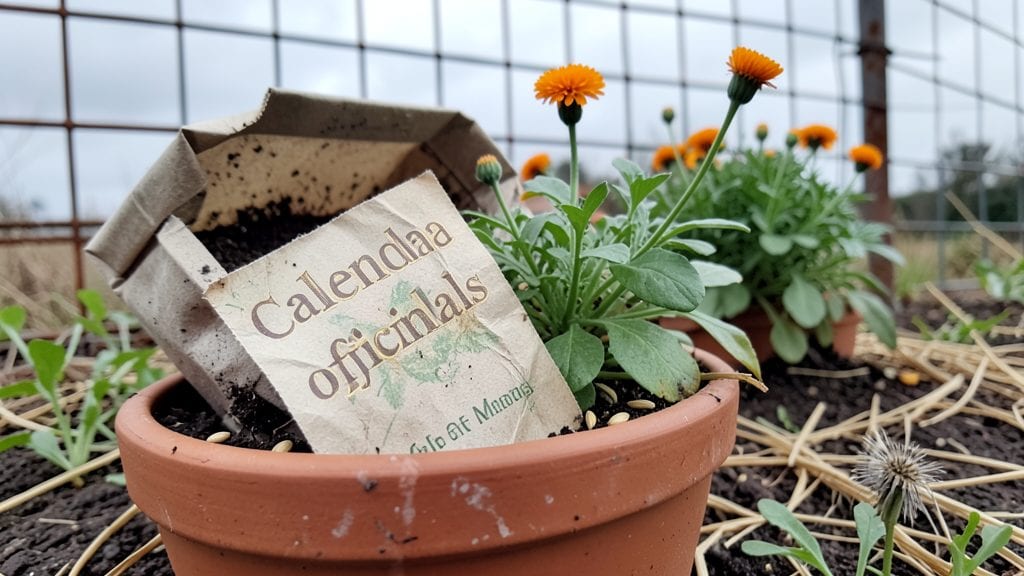
A seed bag label reveals critical planting details like germination rates, sowing depth, spacing needs, and sunlight requirements—key factors that determine whether your seeds will thrive or fail. Always check for expiration dates and organic certifications too.
A seed bag label isn't just small print—it's your planting blueprint. 🌱 The germination percentage tells you how many seeds will actually sprout, while the maturity date helps you plan harvests. For example, a label showing "75% germination" means you might need extra seeds to ensure full coverage.
I always cross-check these details with my local climate zone to avoid planting too early or too late, which can drastically reduce success rates.
Beyond the basics, labels often include soil type recommendations and even post-harvest care tips. These details help you avoid common pitfalls like overcrowding or improper watering. For instance, if the label says "thin to 3 inches," ignoring that could lead to weak, competitive plants.
Pro tip: Keep your label until germination is complete—it’s your best reference for troubleshooting.
💡 In This Article
- Decoding Seed Viability and Germination Codes
- How to Use Seed Label Instructions for Perfect Planting
Decoding seed viability and germination codes
Germination percentages on seed labels aren't arbitrary numbers—they reflect the percentage of seeds expected to sprout under ideal conditions. For example, a 90% germination rate means 9 out of 10 seeds should sprout, while 70% suggests you'll need to sow extra seeds to achieve full coverage.
This matters because seed viability decreases over time, especially if stored improperly. A seed's ability to germinate depends on its internal water content and enzyme activity, which degrade when exposed to heat or moisture fluctuations. 🔥
Maturity dates indicate how many days it takes for a plant to reach harvest readiness from germination. Fast-maturing varieties (like 50-day lettuce) are ideal for short growing seasons, while slower varieties (like 120-day tomatoes) need warmer climates.
Understanding this helps you plan succession plantings—sowing quick crops first, then longer-season plants as space opens. Cold-hardiness zones (like USDA Zone 5-8) tell you where a plant can survive winter, but germination timing depends more on soil temperatures than air temperatures.
Symbols like "direct sow" or "start indoors" are planting instructions tied to seed biology. Direct-sowing seeds (e.g., beans) thrive when planted directly in soil because their roots establish quickly. Indoor-starting seeds (e.g., peppers) need controlled conditions to prevent leggy growth.
The key is timing: starting indoors 6-8 weeks before the last frost ensures seedlings are strong enough to transplant. Ignoring these cues can lead to stunted growth or shock when moved outdoors. ✨
Lower viability seeds (below 80%) often require scarification (scratching the seed coat) or stratification (cold treatment) to break dormancy. For instance, some wildflower seeds need 30 days in the fridge to mimic winter conditions before sprouting.
Always check the label for these special instructions—skipping them can leave you waiting months for germination. The science here involves seed coat permeability and hormonal signals that trigger growth.
Cold-hardiness zones interact with germination in unexpected ways. While Zone 5 seeds can survive winter, they may need warmer soil (above 50°F) to germinate. Planting too early in cold soil can cause seeds to rot before sprouting.
Use a soil thermometer to verify conditions—this is especially critical for heat-loving crops like cucumbers, which won't germinate below 60°F. The label's zone information helps you avoid these pitfalls by matching seeds to your local climate patterns. 💫
Pro tip: Compare your local frost dates with the label's maturity window. For example, a 60-day tomato planted in Zone 6 needs to go in no later than June 1st to mature before the first frost (typically October 15th).
This timing ensures you harvest before cold snaps kill the plant. Always keep the label until germination is complete—it's your best reference for troubleshooting delays or failures.