
How To
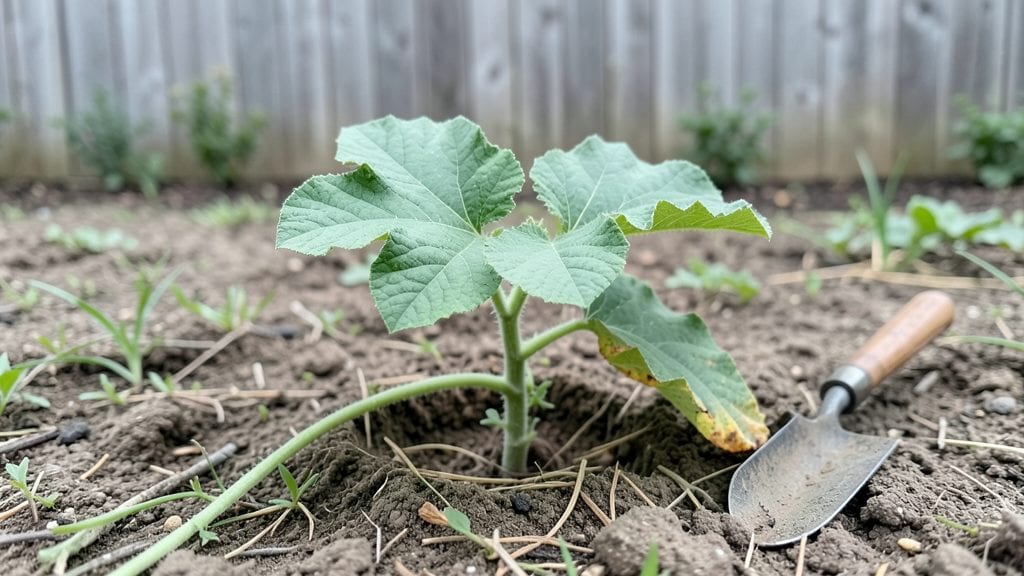
Planting cantaloupe seeds 1 inch deep unlocks the secret to strong, healthy vines that thrive in your garden 🍈.
Struggling to grow healthy cantaloupe vines? The secret often lies beneath the soil—not just in sunlight or water. Planting cantaloupe seeds at the right depth is critical for germination, root development, and ultimately, a bountiful harvest. Get it wrong, and you risk weak seedlings or wasted effort.
In USDA Zone 6a, where spring planting kicks off in April, soil temperature and moisture play just as big a role as depth. Too shallow, and seeds dry out; too deep, and they rot before sprouting.
The 1-inch rule balances both, giving roots room to stretch while keeping seeds hydrated.
Below, I’ll walk you through the exact steps to plant cantaloupe seeds at the perfect depth, plus pro tips to avoid common mistakes and boost your chances of a sweet summer harvest.


Optimal cantaloupe seed planting depth: science-backed guidelines
When planting cantaloupe seeds, depth isn't just about burying them—it's about creating the perfect environment for germination and root development. The ideal range is ½ to 1 inch deep, a guideline backed by horticultural science.
This depth balances moisture retention with oxygen flow, preventing seeds from rotting while keeping them hydrated. Understanding why this range works will help you avoid common pitfalls that lead to weak seedlings or failed crops.
Cantaloupe seeds are large and energy-rich, containing all the nutrients they need to sprout without sunlight. Planting too shallow exposes them to drying out, while planting too deep forces seedlings to struggle upward, creating leggy, weak stems.
The ½ to 1 inch range ensures seeds stay moist enough to germinate while allowing young roots to access oxygen for healthy growth.
Soil temperature plays a critical role in germination success. Cantaloupes thrive in warm soil, ideally 70°F or higher. If your soil is cooler, planting seeds too deep can delay germination because the seed struggles to push through denser soil layers. Conversely, shallow planting in cool soil risks drying out before sprouting. Always wait until soil temperatures stabilize before planting.
Moisture is another key factor. Seeds planted at ½ to 1 inch depth stay consistently moist, thanks to the surrounding soil acting as a natural insulator. Overwatering after planting can wash seeds too deep, while underwatering leaves them exposed.
Aim for consistent moisture without waterlogging the soil—this balance is crucial for successful germination.
Seed size also influences optimal depth. Cantaloupe seeds are large and thick, typically about ½ inch in diameter.
Planting them too shallow (less than ½ inch) can cause them to dry out before germinating, while planting them deeper than 1 inch may require too much energy for the seedling to emerge.
Think of the ½ to 1 inch rule as a sweet spot for both moisture and energy efficiency.
Troubleshooting common depth-related issues starts with observing your seedlings. If you notice poor germination or weak, leggy seedlings, revisit your planting depth. Over-planting (burying seeds too deep) can lead to rotting, while shallow planting often results in seeds drying out. Always use a seed dibble or your finger to create precise planting holes for consistency.
Another critical factor is soil type. Sandy soil drains quickly, so you may need to plant slightly deeper (closer to 1 inch) to retain moisture. Clay soil, on the other hand, holds moisture well, so ½ inch might suffice.
Amending your soil with compost can help strike the right balance, ensuring seeds stay hydrated without becoming waterlogged.
For gardeners in cooler climates, consider using black plastic mulch to warm the soil before planting. This technique raises soil temperatures faster, allowing you to plant seeds at the ideal depth without waiting for natural warming.
Mulch also helps retain moisture, reducing the risk of seeds drying out in shallow soil.
If you're planting in containers or raised beds, pay extra attention to depth. Container soil dries out faster, so planting seeds at the upper end of the range (1 inch) can help retain moisture.
Use well-draining potting mix and water gently after planting to avoid displacing seeds. Containers also benefit from consistent moisture, so consider using a moisture meter to monitor soil conditions.
Finally, always label your rows if you're planting multiple varieties. Cantaloupe seeds can look similar to other melon seeds, and mixing them up can lead to confusion during harvest. Labeling ensures you track which seeds were planted at what depth, helping you refine your technique for future plantings.
By mastering the ½ to 1 inch planting depth, you’ll set your cantaloupe seeds up for success. Combine this with proper soil temperature, moisture, and care, and you’ll be well on your way to a bountiful harvest of sweet, ripe cantaloupes.
Now that you understand the science behind cantaloupe seed depth, you’re ready to apply these guidelines to your garden. Start by preparing your soil with compost or aged manure to improve drainage and fertility.
Use a dibble or your finger to create precise planting holes at ½ to 1 inch, then cover the seeds gently with soil. Water lightly to settle the soil without disturbing the seeds.
Monitor your seeds closely in the days following planting. If your garden experiences unusually hot or dry conditions, consider adding a light layer of mulch to retain moisture. Avoid overwatering, as this can displace seeds or cause them to rot.
With the right depth and care, you’ll see strong seedlings emerging in 7 to 14 days, ready to grow into healthy vines.
Remember, every garden is unique, so don’t hesitate to experiment with slight adjustments to depth based on your soil and climate. Over time,
Step-by-step guide: planting cantaloupe seeds at the perfect depth
Planting cantaloupe seeds at the right depth ensures strong germination and healthy vines. The ideal depth balances moisture retention with oxygen flow—critical for seedlings to break through the soil. In warm climates, aim for 1 inch deep, while cooler regions may need slight adjustments.
Let’s break down the process step by step to avoid common pitfalls like rot or weak sprouts.
Before planting, prepare your soil by loosening it to a depth of 6-8 inches to encourage root growth. Mix in compost or aged manure for nutrients and improve drainage. Cantaloupe thrives in well-draining soil with a pH of 6.0-7.0.
Avoid compacted or clay-heavy soil, which can suffocate roots. Test your soil’s readiness by checking if it crumbles easily when moist.
After planting, monitor soil moisture closely. Cantaloupe seeds need consistent moisture but can rot if overwatered. Use a soil moisture meter or check by sticking your finger 1 inch deep—soil should feel damp, not soggy.
Once seedlings emerge, thin them to the strongest 2 per hill, snipping weaker sprouts at the base to avoid disturbing roots.
In warm climates, cantaloupe seeds germinate faster in soil temperatures above 70°F. Use black plastic mulch to warm soil early in the season. For cooler regions, wait until soil reaches 60°F and consider using a seedling heat mat for faster germination.
Adjust watering based on rainfall—1 inch per week is ideal, but reduce in rainy periods.
With the right depth and care, your cantaloupe seeds will sprout into robust vines ready for a sweet harvest. Keep an eye on soil temperature and moisture to troubleshoot issues early. A little patience and precision now will reward you with juicy, ripe cantaloupes in summer! 🍈