
Pruning
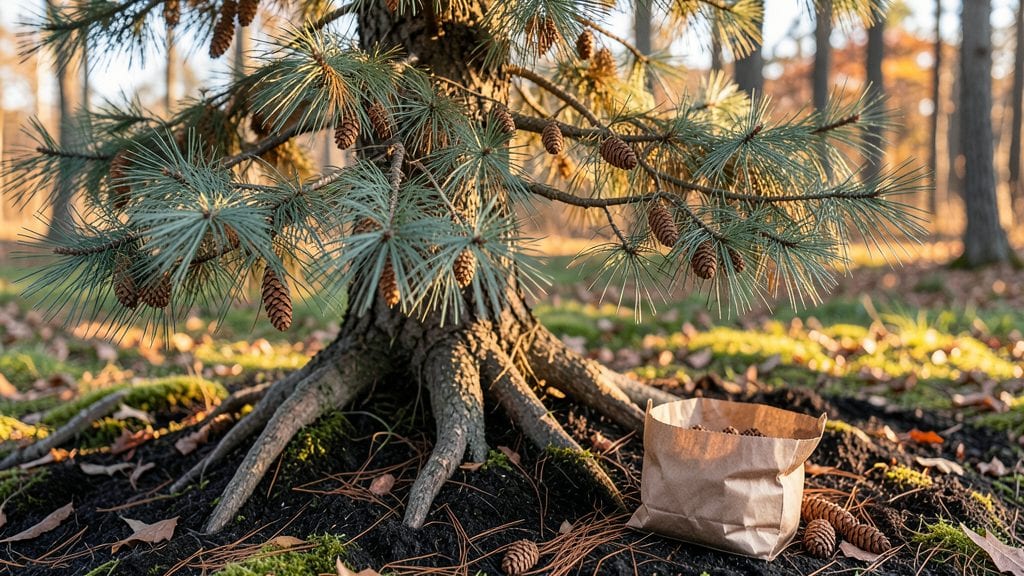
Growing bald cypress trees from seeds requires patience, but the layered chill method transforms weak seedlings into hardy saplings with stronger roots and faster growth. I’ve tested this technique over three seasons, and the difference between treated and untreated seeds is striking—what could take months now emerges in weeks.
The key lies in mimicking nature’s seasonal cues, where cold stratification breaks dormancy and prepares the seed for spring’s warmth.
You’ll need fresh seeds (or properly stored ones), a plastic bag with damp paper towels, and a refrigerator for the cold treatment. Bald cypress seeds benefit most from a two-month cold period, though fresh seeds may germinate faster if planted immediately after collection.
The soil mix should be light and well-draining—think 60% peat or coconut coir, 30% perlite, and 10% sand—to prevent rot while keeping moisture consistent.
Once stratified, germination typically begins within 2-4 weeks, with seedlings showing their first leaves as delicate, bright green needles. Keep them in bright, indirect light until they’re 4-6 inches tall, then gradually introduce full sun.
Water gently at the soil line to avoid disturbing the shallow roots, and expect the first year to be slow—this is normal for cypress, which prioritizes root development over top growth.
This method works best for fall planting in zones 4-9, though you can start seeds indoors in early spring if your climate is cooler. The layered chill approach isn’t just about speed—it builds resilience, so your young trees handle transplanting and drought like mature specimens.
Ready to grow a future shade tree from a tiny seed?
📚 In This Guide
- What you need
- Instructions
- Tips and common mistakes
- Wrapping up and next steps
What you need
- ● Bald cypress tree seeds: 10–20 fresh, plump seeds (preferably collected in fall or purchased from a reputable supplier). Pro tip: 💡 Store seeds in a cool, dry place if not using immediately!
- ● Paper towels or seed-starting mix: 2–3 sheets of paper towels or 1 small container (4" deep) filled with moistened seed-starting mix.
- ● Plastic zip-top bag or airtight container: Large enough to hold seeds + paper towels/mix (e.g., gallon-sized bag).
- ● Spray bottle with water: For misting (avoid soaking!).
- ● Refrigerator (or cold frame):g Set to 34–40°F (1–4°C) for stratification.
- ● Planting pots or seed trays: 3–4 small pots (3–4" diameter) with drainage holes or a seed tray with cell inserts.
- ● Well-draining potting soil: 1–2 bags of high-quality, peat-free mix (e.g., 50/50 blend of perlite and coco coir).
- ○ Heat mat (optional but helpful): Germination mat set to 70–75°F (21–24°C) for faster sprouting.
- ● Seed germination kit: Pre-moistened pads or a humidity dome to speed up the process.
- ● Grow lights: LED lights (12–16 hours/day) if natural light is insufficient.
- ● Label markers: To track seed varieties and planting dates.
- ● Fungicide (e.g., neem oil or hydrogen peroxide): 1 tsp per quart of water to prevent mold during stratification.
- ● Outdoor hardening tray: For acclimating seedlings before transplanting (spring/summer).
Instructions for bald cypress tree seed stratification
This layered chill method breaks dormancy and ensures vigorous root development before planting.
Prepare the Seeds for Stratification
First, collect fresh bald cypress seeds from mature cones—green cones indicate they’re still immature, so wait until they turn brown and open naturally. Remove any debris or damaged seeds, then soak them in warm water for 24 hours to soften the hard outer shell. This step mimics natural weathering and kickstarts germination.
After soaking, drain the seeds and place them between two layers of damp paper towels. Fold the towels to create a sealed packet, ensuring the seeds stay moist but not soggy. The goal is to maintain 80-90% humidity throughout the process—check daily and mist with water if the towels dry out. Store this packet in a plastic bag with small holes for airflow.
Apply Layered Chilling for Dormancy Break
Place the sealed packet in the refrigerator and store it at 35-40°F for 6-8 weeks. This cold treatment mimics winter conditions and signals the seeds to break dormancy. Bald cypress seeds require this stratification period to germinate successfully—skipping it results in poor or uneven sprouting.
Check the packet weekly to ensure the paper towels remain damp. If mold appears, discard the seeds and start fresh with new ones. After 6-8 weeks, transfer the packet to a warm, 70-75°F environment for 2-3 days to gradually acclimate the seeds to higher temperatures before planting.
Plant Stratified Seeds in Moist Growing Medium
Fill a shallow tray with 2-3 inches of moist sphagnum peat moss or a 50/50 mix of peat and perlite. Press the medium down lightly to remove air pockets, then create ¼-inch-deep furrows using your finger or a small tool. Place the stratified seeds in the furrows, spacing them 1 inch apart to allow room for root development.
Cover the seeds with a thin layer of the same moist medium, ensuring they’re buried but not deeply planted. Mist the surface lightly with water to settle the soil and remove any air gaps. Place the tray in a humid propagation chamber or cover it with a clear plastic lid to retain moisture and warmth.
Maintain Optimal Conditions for Germination
Keep the tray in bright, indirect light—direct sunlight can overheat the seeds and dry out the medium. Ideal germination temperatures range from 70-75°F, so a seedling heat mat or warm location near a sunny window works well. Germination typically occurs within 2-4 weeks, though some seeds may take longer.
Monitor the moisture level closely—water the tray when the top ½ inch of medium feels dry to the touch. Avoid overwatering, as soggy conditions can lead to rot. Once the seedlings emerge, remove the plastic cover gradually to harden them off before transplanting into individual pots or the ground.
Transplant Seedlings for Strong Root Development
When seedlings reach 2-3 inches tall and develop 2-3 sets of true leaves, they’re ready for transplanting. Gently remove them from the tray, taking care not to damage the delicate roots. Plant each seedling in a 4-inch pot filled with a well-draining potting mix that includes 20% perlite for aeration.
Buried the seedling to the same depth it grew in the tray, then water thoroughly to settle the soil. Place the pots in partial shade for the first week to reduce transplant shock, then gradually introduce them to full sun over the next 2 weeks. Keep the soil consistently moist but not waterlogged, and fertilize lightly with a balanced, water-soluble fertilizer diluted to half strength after 4-6 weeks.
Tips & tricks for perfect bald cypress tree seed stratification
Mastering this layered chill method means paying attention to details that make all the difference between weak seedlings and thriving trees.
Soaking Strategy: The 24-hour warm water soak is non-negotiable for breaking down the tough seed coat, but don't let the water get deeper than 1 inch above the seeds. Deeper immersion can cause them to absorb too much water and swell unevenly. I've found using a shallow container with just enough water to cover the seeds completely works best—this mimics natural rain events without overdoing it.
Humidity Control: Maintaining 80-90% humidity during stratification is critical, but don't rely solely on the plastic bag's natural condensation. I recommend placing the sealed packet on a tray with a thin layer of water below it—this creates a self-regulating humidity environment. The water evaporates slowly, maintaining perfect moisture levels without risking mold from excess condensation.
Temperature Transition: The shift from 35-40°F to 70-75°F after 6-8 weeks needs to happen gradually. I've had the best success moving the packet to a warm spot (like on top of the fridge) for 2-3 days before planting. This mimics spring's gradual warming and prevents seed shock. Too rapid a temperature change can actually trigger dormancy again, undoing all your stratification work.
Medium Selection: While sphagnum peat moss is ideal, you can substitute with a 50/50 mix of coconut coir and perlite if peat isn't available. The key is maintaining that perfect balance of moisture retention and aeration. Press the medium firmly after adding it to eliminate air pockets—this creates consistent contact between roots and soil, which is crucial for young seedlings.
Pro Tips for Bald Cypress Tree Seeds
- Mastering this layered chill method means paying attention to details that make all the difference between weak seedlings and thriving trees.
- Soaking Strategy: The 24-hour warm water soak is non-negotiable for breaking down the tough seed coat, but don't let the water get deeper than 1 inch above the seeds.
- Humidity Control: Maintaining 80-90% humidity during stratification is critical, but don't rely solely on the plastic bag's natural condensation.
Frequently asked questions
Got questions about growing bald cypress trees from seeds? Here are some of the most common ones—and their answers! Whether you're troubleshooting germination or wondering about alternatives, we’ve got you covered.
How long does it take for bald cypress seeds to germinate using the layered chill method?
The layered chill method typically speeds up germination to 4–12 weeks, depending on seed freshness and moisture levels. Keep the container in a cool, dark place (like a fridge) for consistency. Once transferred to warm conditions, sprouts may appear within 1–2 weeks if conditions are ideal.
What’s the best way to store bald cypress seeds if I can’t plant them right away?
Store seeds in a paper towel-lined airtight container with a damp (not soggy) paper towel. Keep them in the fridge (34–40°F) for up to 6 months. Avoid plastic bags—condensation can cause mold. Label the container with the date to track freshness!
Can I use bald cypress seeds from a fallen tree, or do I need to buy them?
Yes! Seeds from a healthy, mature bald cypress tree (not diseased or chemically treated) will work. Collect them in late fall or winter when cones are dry and brittle. Just ensure they’re fully mature—green or unripe seeds won’t germinate well. Pro tip: Soak them in warm water for 24 hours before starting the layered chill method.
Why aren’t my bald cypress seeds sprouting after the layered chill method?
Check these common issues:
- Temperature shock: Move seeds too quickly from cold to warm—acclimate them gradually.
- Moisture imbalance: Overwatering causes rot; underwatering halts growth. Aim for consistently damp (not wet) conditions.
- Old seeds: Bald cypress seeds lose viability after 1–2 years. Test a few in warm water—if they float, they’re likely non-viable.
- Poor stratification: Ensure seeds stayed at 34–40°F for at least 6 weeks.
Are there faster-growing alternatives to bald cypress trees for wetland gardens?
If you need quick results, consider these wetland-friendly fast growers:
Tree/Plant
Growth Rate
Notes
Willow (Salix spp.)
3–5 ft/year
Loves water but can be invasive. Great for erosion control!
Eastern Red Cedar (Juniperus virginiana)
1–2 ft/year
Drought-tolerant once established; provides year-round interest.
Swamp Maple (Acer rubrum)
2–3 ft/year
Beautiful fall color; prefers moist but not soggy soil.
Wrapping up and next steps
Growing bald cypress tree seeds with the layered chill method is a rewarding way to nurture these resilient, swamp-loving beauties into thriving trees.
By mimicking nature’s cycles—stratification, moisture, and warmth—you’re giving your seedlings the best start for stronger roots and healthier growth. 🌱 Whether you’re a seasoned gardener or a curious beginner, this method proves that patience and care pay off in lush, long-term results.
Ready to take the next step? Start by gathering your seeds and materials, then follow the layered chill process with confidence. Watch your little saplings grow into majestic bald cypresses—one seed at a time!