
Size
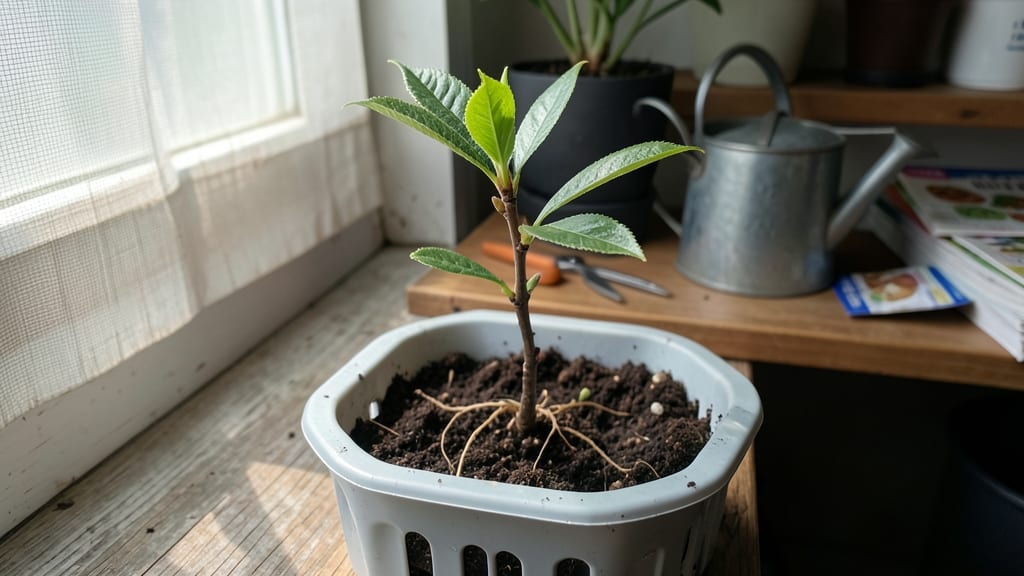
Growing sakura seeds from scratch is like nurturing a promise—those delicate pink blooms start as tiny, stubborn seeds that need patience and just the right conditions. 🌱 I’ve struggled with sakura germination myself, but after years of trial and error, I’ve cracked the code for getting those first green shoots through.
The key isn’t just planting; it’s mimicking nature’s winter chill to break dormancy, then giving seedlings the gentle care they crave.
You’ll need a few simple supplies: fresh sakura seeds (not dried), a plastic bag for cold stratification, well-draining potting mix, and a sunny spot. Most people skip the stratification step, which is why their seeds never sprout—those seeds need 60-90 days of cold to wake up.
Once they’re ready, they’ll germinate in 2-4 weeks, but don’t rush it; slow and steady wins the race here. The first leaves will be tiny and fragile, so handle them like glass.
By month six, you’ll have a 3-4 foot sapling with real potential—though fair warning, it won’t look like its parent tree. Sakura grown from seed is a gamble; the blooms might be smaller, later, or even a different shade.
But the thrill of watching those first buds unfurl? That’s worth every cold winter night spent waiting. The real magic happens when you see that first blush of pink after years of nurturing.
This method works best in USDA zones 5-8, where winters are cold enough for natural stratification. If you’re in a warmer zone, you’ll need to replicate the cold period artificially.
Whether you’re starting with a single seed or a handful, the journey turns into a lesson in patience—and the payoff is a tree that carries the weight of your care in every petal.
📚 In This Guide
- What you need
- Instructions
- Tips and common mistakes
- Wrapping up and next steps
What you need
- ● Sakura seeds: Fresh, viable seeds (preferably from a Prunus serrulata variety). Note: Store-bought seeds may require stratification (see tips below).
- ● Seed-starting mix: 2–3 cups of sterile, well-draining potting soil (look for a mix labeled for seeds or seedlings).
- ● Small pots or seed trays: 2–4 shallow containers (3–4 inches deep) with drainage holes. Pro tip: Repurpose yogurt cups or egg cartons for budget-friendly options!
- ● Plastic wrap or humidity dome: To create a mini greenhouse effect while seeds germinate.
- ● Spray bottle: For gentle watering (avoid over-saturating the soil).
- ● Grow lights or sunny windowsill: A south-facing window or LED grow lights (12–16 hours/day) for seedlings.
- ● Stratification supplies: A zip-top bag with moist peat moss or paper towels (if seeds need cold treatment).
- ● Fertilizer: A balanced, water-soluble fertilizer (diluted to half-strength) for seedlings.
- ● Humidity tray: A shallow tray with pebbles and water to maintain moisture levels.
- ● Pruning shears: For trimming leggy seedlings later.
Step-by-step instructions for growing sakura seeds indoors
Here's how to coax those delicate cherry blossoms from seeds in just six months.
🌱 Step 1: Stratify the Seeds for Successful Germination
Sakura seeds need a cold period to break dormancy. Place the seeds in a small plastic bag with a damp paper towel, then refrigerate for 60-90 days. Check weekly and mist with water if the towel dries out—seeds should feel moist but not soggy. This cold treatment mimics winter's natural process, ensuring stronger seedlings.
I know it seems counterintuitive to wait months before planting, but skipping stratification results in weak, uneven germination. After 90 days, remove the seeds and let them sit at room temperature for 24 hours to adjust before sowing.
🌱 Step 2: Sow Seeds in Sterile Starting Mix
Fill small pots with seed-starting mix (not garden soil) and plant seeds ½ inch deep. Space them 1 inch apart—sakura seeds are tiny, so I use a toothpick to create small holes. Gently cover with soil and mist lightly until the surface feels damp but not wet.
Place pots in a clear plastic bag or under a humidity dome to retain moisture. Sakura seeds germinate best at 65-70°F, so a warm spot like on top of the fridge works well. You'll see sprouts in 2-4 weeks, but be patient—some seeds may take longer.
☀️ Step 3: Provide Bright, Indirect Light
Once seedlings emerge, remove the humidity cover and move them to bright, indirect light. A south-facing window works, but avoid harsh midday sun, which can scorch tender leaves. If natural light is weak, supplement with a grow light for 12-14 hours daily.
Watch for leggy growth—thin, stretched stems with large leaves. This happens when light is too far away. If you see this, move the light closer or rotate the pots daily so seedlings grow evenly. Strong sakura seedlings have thick stems and small, dark green leaves.
🪴 Step 4: Transplant and Harden Off Before Outdoor Planting
After 4-6 weeks, when seedlings have 3-4 sets of leaves, transplant them into individual 4-inch pots with fresh potting mix. Handle gently—sakura roots are delicate. Water thoroughly after transplanting to settle the soil around the roots.
Begin hardening off by placing seedlings outside in a sheltered spot for 1-2 hours the first day, gradually increasing time over 10-14 days. This prepares them for outdoor conditions. Once they tolerate 6+ hours of sun without wilting, they're ready for the garden.
✂️ Step 5: Plant Outdoors and Prune for Strong Growth
Choose a sunny location with well-draining soil. Dig a hole slightly larger than the root ball and plant seedlings 10-12 inches apart. Water deeply to help roots establish. Sakura trees grow slowly, so avoid over-fertilizing—they prefer lean soil.
Prune leggy or weak branches in early spring to encourage bushier growth. You won't see flowers for 5-7 years, but with patience, your tiny seeds will become a stunning cherry blossom tree. Mulch around the base to retain moisture and protect roots in winter.
Tips & tricks for perfect sakura seed growth
Growing sakura from seeds takes patience—but these tricks help you avoid common pitfalls and maximize success.
The Stratification Secret: Don't rush the 60-90 day cold treatment! Place a small piece of masking tape on the outside of your bag with the date—this helps track the exact 90-day mark. After removal, the 24-hour room temperature adjustment prevents shock. I've seen seeds that skipped this step germinate unevenly or not at all.
Planting Precision: Use a toothpick to create those ½-inch deep holes in Step 2—it gives you better control than fingers. For spacing, think "one seed per inch" and use the toothpick to mark planting spots. I've found that overcrowding leads to competition for nutrients, which weakens seedlings before they even sprout.
Lighting Strategy: That 65-70°F germination range is critical, but don't let the warmth fool you into thinking bright light isn't important. Once sprouts appear, move them to bright indirect light immediately. I use a simple LED grow light on a timer for 12-14 hours daily—it's the difference between leggy, weak seedlings and sturdy, compact ones ready for transplanting.
Transplanting Tips: When handling those delicate sakura roots in Step 4, gently squeeze the base of the pot to encourage roots to spread outward. This makes removal easier and reduces transplant shock. After moving to 4-inch pots, I water from the bottom by placing pots in a shallow tray of water for 10 minutes—this ensures even moisture without disturbing the roots.
Pro Tips for Grow Sakura Seeds
- Growing sakura from seeds takes patience—but these tricks help you avoid common pitfalls and maximize success.
- The Stratification Secret: Don't rush the 60-90 day cold treatment!
- Planting Precision: Use a toothpick to create those ½-inch deep holes in Step 2—it gives you better control than fingers.
Frequently asked questions
Got questions about growing sakura seeds? You’re not alone—this delicate process can feel tricky! Here are answers to the most common queries to help you nurture your future cherry blossoms with confidence.
How long does it take for sakura seeds to germinate?
Sakura seeds can take anywhere from 2 to 6 months to germinate, depending on the variety and stratification method. Some seeds sprout faster with cold treatment (stratification), while others may need extra patience. Consistency in moisture and warmth is key—don’t give up if nothing happens in the first few weeks!
Can I grow sakura from seeds bought online, or do I need a specific type?
Most edible sakura seeds (like those from Prunus serrulata or Prunus avium) can be grown, but ornamental sakura trees (like Yoshino cherry) often produce sterile seeds. For guaranteed blooms, opt for seeds labeled as "edible" or "ornamental." Check reviews or seller descriptions to avoid disappointment!
Why aren’t my sakura seeds sprouting? Troubleshooting tips?
If your seeds refuse to sprout, check these common issues:
- Stratification failed: Ensure seeds got 4–8 weeks of cold, moist conditions (like in the fridge).
- Too dry/wet: Keep soil consistently damp (not soggy). Use a humidity dome if needed.
- Poor seed viability: Some seeds lose potency over time. Try fresh seeds or test a few in warm water—floaters are likely dead.
- No light: Seeds need indirect sunlight after sprouting. Move them to a bright spot once they break soil.
Do sakura trees grown from seeds bloom like the parent tree?
Probably not! Seed-grown sakura trees often won’t match the parent’s traits (color, shape, or even bloom time). For predictable blooms, grafted trees or cuttings are better. If you love the look of a specific sakura, consider buying a young grafted sapling instead.
Can I grow sakura indoors, or do they need outdoor conditions?
Sakura seeds can start indoors in pots, but they’ll need outdoor transplanting once established (they’re not houseplants!). Use a sunny windowsill or grow light for early growth, then harden off seedlings before moving them to a garden bed. Young trees thrive in full sun (6+ hours/day) and well-draining soil.
What’s the best time of year to plant sakura seeds?
For outdoor planting, sow seeds in early spring (after last frost) or fall (6–8 weeks before winter). If starting indoors, plant seeds in late winter (Jan–Feb) for a head start. Stratify seeds in November–December if prepping ahead.
Are sakura seeds toxic to pets or kids?
Sakura seeds and pits contain cyanogenic glycosides, which can be toxic if ingested in large quantities (like chewing pits). Keep seeds out of reach of pets and young children. The fruit pulp is safe, but always supervise curious little hands or pups!
Wrapping up and next steps
Growing sakura seeds into a stunning tree is a rewarding journey that blends patience with nature’s magic. 🌸 With the right care—from soaking seeds to nurturing seedlings—you’ll witness delicate blossoms in just six months! Remember, consistency is key, but don’t hesitate to troubleshoot challenges like slow germination or pests.
Now that you’re equipped with knowledge, take the first step—plant those seeds today! Whether you’re a beginner or a green thumb, your future sakura awaits. Happy growing, and may your garden bloom with joy! 🌱✨