
Size
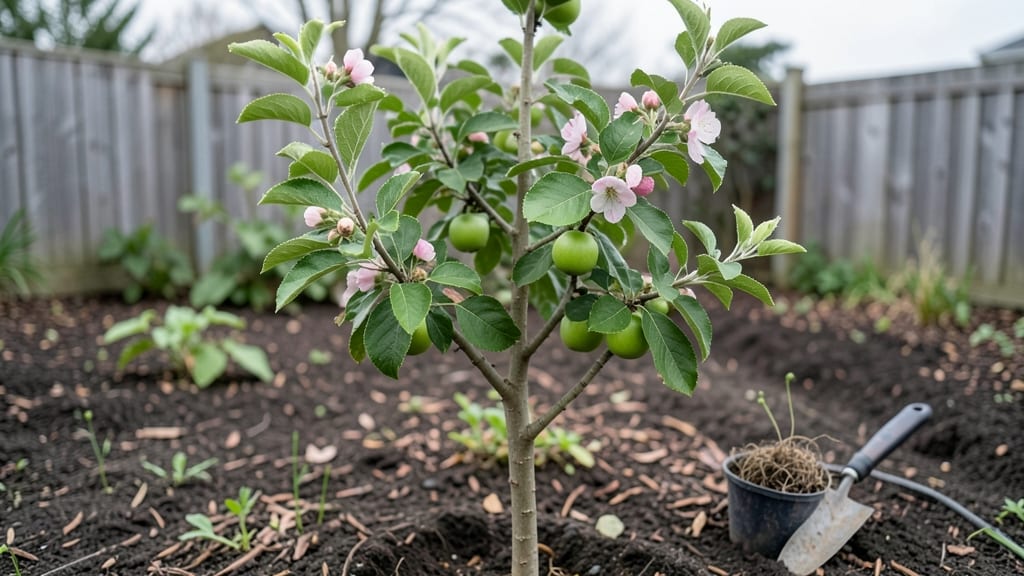
Growing sugar apple from seeds is how I finally got tropical fruit in my backyard—no nursery needed. 🌱 The process starts with fresh seeds from a ripe fruit, and within 3 months, you'll have a tiny seedling ready for its forever home.
I've learned that patience is key, especially with germination, but the payoff is worth every week of waiting.
The secret to success lies in mimicking the sugar apple's natural tropical environment. You'll need a warm spot (70°F or above), moist but well-draining soil, and bright indirect light to start.
Most people rush the process, but holding off on transplanting until the seedling has at least 3-4 leaves makes all the difference in survival rates. The first few weeks are critical—too much water or cold drafts will stall growth.
By month three, you'll have a sturdy young tree that can handle direct sun and slightly drier soil. The real magic happens when you see those first leaves unfurl, thick and glossy like a real tropical plant.
With proper care, you could be harvesting fruit within 3-5 years, though it takes time to reach full maturity. The journey is slower than buying a sapling, but there's something deeply satisfying about growing it from the start.
This method works best in zones 10-12, but with containers and winter protection, you can grow sugar apples as far north as zone 9. The key is never letting the soil dry out completely and providing consistent warmth—just like the tree would experience in its native habitat.
Let's get those seeds sprouting!
📚 In This Guide
- What you need
- Instructions
- Tips and common mistakes
- Wrapping up and next steps
What you need
- ● Sugar apple seeds: 3–5 fresh, plump seeds (harvested from a ripe fruit). Pro tip: 💡 Store them in a damp paper towel in the fridge if not planting immediately!
- ○ Seed trays or small pots: 2–4 (3–4 inches in diameter) with drainage holes. Optional: Biodegradable pots for easy transplanting.
- ● Well-draining potting mix: 1 bag (1–2 cubic feet) of a lightweight, airy mix (e.g., 50% peat moss, 30% perlite, 20% coco coir). Skip the heavy garden soil!
- ● Spray bottle: 1 (for gentle watering). No dropper? A fine-mist setting works too!
- ● Plastic wrap or clear dome: 1 (to create a mini greenhouse effect).
- ● Grow lights or sunny windowsill: Access to bright, indirect light (6+ hours/day). South-facing windows or LED grow lights are ideal.
- ○ Humidity tray (optional but helpful): A shallow tray with pebbles and water to boost moisture.
- ● Patience! Sugar apple seeds can take 2–4 weeks to germinate.
- ● A warm spot (70–85°F / 21–29°C). Heat mats can speed up germination if your home is chilly!
- ● Space to transplant seedlings outdoors (or a large pot) once they’re 6+ inches tall. Sugar apples love warmth and humidity!
Step-by-Step instructions for growing sugar apple seeds indoors
Here’s how to transform those tiny seeds into thriving tropical saplings in just three months.
🌱 Step 1: Extract and Prepare the Seeds
Sugar apple seeds are encased in a thick, fibrous pulp. Scoop out the seeds, rinse them under lukewarm water, and let them dry on a paper towel for 24 hours. This prevents rot and mimics the natural drying process they’d undergo in the tropics. I like to place them in a single layer on the towel—crowding them leads to mold.
Once dry, rub the seeds gently between your fingers to remove any remaining pulp. The goal is clean, bare seeds ready for planting. If you’re impatient, you can lightly nick the seed coat with a sharp knife to speed up germination, but this isn’t necessary for sugar apples.
💧 Step 2: Start Seeds in Moistened Potting Mix
Fill a small container—4 inches deep—with well-draining potting mix. Moisten it until damp but not soggy, then press the soil down lightly. Plant the seeds ½ inch deep, spacing them 2 inches apart to avoid overcrowding. Sugar apple seeds are tiny, so I use a toothpick to place them precisely.
Cover the container with plastic wrap or a humidity dome to retain moisture. Place it in a warm, bright spot—ideally 75-80°F. A seedling heat mat helps if your home runs cooler. Germination can take 2-4 weeks, so patience is key. Keep the soil consistently moist but never waterlogged—soggy soil smothers seeds.
☀️ Step 3: Provide Bright, Indirect Light
Once the first true leaves appear—small, rounded, and glossy—remove the plastic wrap. Move the seedlings to a location with bright, indirect light for 6+ hours daily. Direct sun at this stage can scorch delicate leaves. A south-facing window with sheer curtains works well, or use a grow light if natural light is weak.
Rotate the container a quarter turn weekly so seedlings grow straight. You’ll notice leggy growth if light is insufficient—thin, pale stems reaching toward the source. If this happens, move the light closer (4-6 inches above) or supplement with a stronger bulb.
🪴 Step 4: Transplant to Larger Pots
When seedlings reach 4-6 inches tall with 4-5 true leaves, transplant them into 6-inch pots filled with fresh potting mix. Gently loosen the roots before transferring to avoid damaging them. Sugar apples dislike root disturbance, so handle them carefully—think of them like delicate tropical babies.
Water thoroughly after transplanting, then let the top inch of soil dry out before watering again. Place the pots in a warm, humid environment—a greenhouse or under a humidity tray speeds growth. You’ll see new leaves emerge within 2-3 weeks, signaling the plant is settling in.
⏰ Step 5: Gradually Acclimate to Outdoor Conditions
After 3 months, when seedlings are 12-18 inches tall, begin hardening them off. Start with 1 hour outdoors in a shaded spot, then increase time daily. Sugar apples thrive in USDA Zones 10-11, so if you’re in a cooler climate, keep them in containers and overwinter indoors near a bright window.
Watch for yellowing leaves—a sign of overwatering or cold stress. Once fully acclimated, plant outdoors in well-draining, slightly acidic soil with partial shade. Fruit production takes years, but the journey starts with these tiny seeds.
Tips & tricks for perfect sugar apple seedlings
Here's what I learned after growing sugar apple saplings from seed—small details make all the difference with these tropical plants.
The Drying Factor: That 24-hour drying period in Step 1 isn't just about removing moisture—it's about preventing fungal issues that can kill your seeds before they even sprout. I've seen seeds rot within days when skipped. Spread them in a single layer and check periodically to ensure no moisture remains. If you're impatient, you can reduce drying to 12 hours, but you risk mold if humidity's high.
Lighting Strategy: The bright, indirect light requirement in Step 3 is crucial—direct sun at this stage will scorch those delicate first leaves. I use a south-facing window with sheer curtains, but if natural light's weak, a simple LED grow light 6 inches above works wonders. Notice the leggy growth? That's your plant stretching toward light. Rotate your container weekly to prevent this.
Transplanting Wisdom: Sugar apple roots are surprisingly sensitive, so when transplanting in Step 4, handle them like you would a newborn—gently! Loosen the roots first and avoid compacting the soil around them. After transplanting, let the top inch dry before watering again. Overwatering at this stage causes root rot, and you'll know it's happening when leaves yellow.
Hardening Off: That initial 1-hour outdoor exposure in Step 5 might seem short, but it's about gradual acclimation. Start with just an hour in shade, then increase by 30 minutes daily. I've seen seedlings shocked by sudden full sun exposure—leaves curl and brown within hours. If your climate dips below 60°F, keep them indoors near a bright window until temperatures stabilize.
Pro Tips for Grow Sugar Apple Seeds
- Here's what I learned after growing sugar apple saplings from seed—small details make all the difference with these tropical plants.
- The Drying Factor: That 24-hour drying period in Step 1 isn't just about removing moisture—it's about preventing fungal issues that can kill your seeds before they even sprout.
- Lighting Strategy: The bright, indirect light requirement in Step 3 is crucial—direct sun at this stage will scorch those delicate first leaves.
Frequently asked questions
Got questions about growing sugar apple from seeds?
You’re not alone! Here are answers to the most common concerns—from timing to troubleshooting—so you can grow this tropical gem with confidence.
How long does it take for sugar apple seeds to germinate?
Germination can take anywhere from 2 to 6 weeks, depending on warmth and moisture. Keep the soil consistently damp (not soggy) and maintain temperatures above 70°F (21°C) for the best results. Patience is key—some seeds may surprise you by sprouting faster!
Can I grow sugar apple from store-bought fruit?
Just scoop out the seeds, rinse them gently, and let them dry for a day before planting. Pro tip: Store-bought seeds may have a lower success rate than fresh ones, but it’s worth a try—especially if you love the fruit!
What’s the best soil mix for sugar apple seedlings?
Use a light, well-draining mix like a 50/50 blend of peat moss or coco coir and perlite or sand. Sugar apple seeds dislike waterlogged roots, so add a handful of orchid bark for extra aeration. A small pot with drainage holes is ideal for starting them indoors.
Why aren’t my sugar apple seeds sprouting?
Try these fixes if your seeds are slow to germinate:
- Check moisture: Keep the soil consistently damp (like a wrung-out sponge).
- Warmth matters: Place the pot in a warm spot (e.g., near a sunny window or under a heat mat).
- Test viability: Soak seeds in water for 24 hours—if they sink, they’re likely viable.
- Patience: Some seeds need up to 3 months to break dormancy.
Can sugar apple trees grow indoors?
While sugar apple trees thrive outdoors in tropical climates, young seedlings can start indoors (in warm zones 10–12). Use a large container (10+ gallons) with bright, indirect light. Move them outside only after the last frost and acclimate gradually to avoid shock.
Wrapping up and next steps
Growing sugar apple from seeds is a rewarding journey that brings a taste of the tropics to your garden! With patience, the right conditions, and a little care, you’ll soon enjoy lush plants and—if you’re lucky—sweet, fragrant fruit. Start small, stay consistent, and celebrate every green milestone!
Ready to take the next step? Share your progress with fellow plant lovers online, or explore grafting techniques to speed up fruiting. 🌱✨ Whether you’re a beginner or a seasoned gardener, every seed is a chance to grow something extraordinary!