
Vegetables
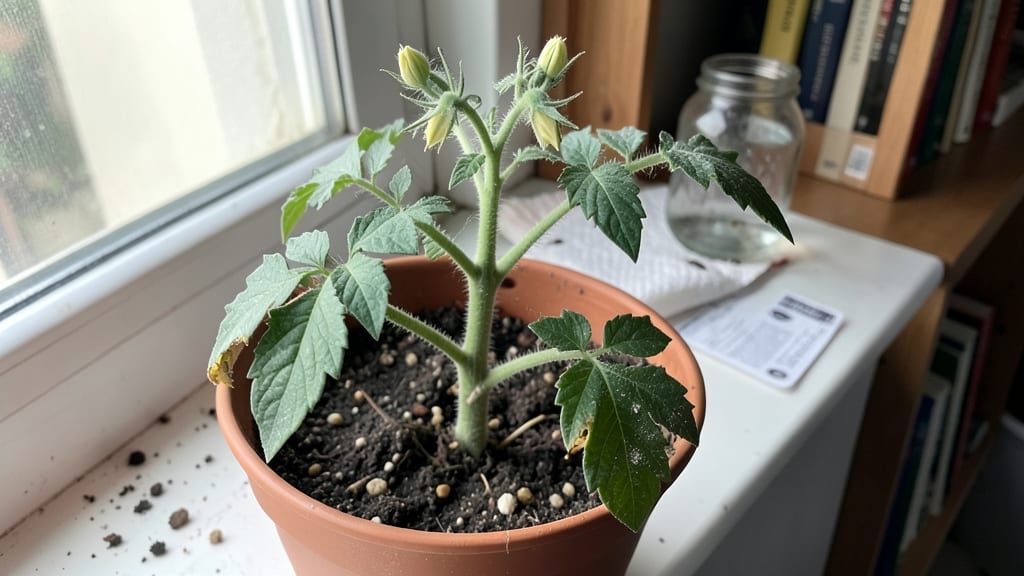
Soaking tomato seeds before planting isn’t just a trick—it’s the difference between a 98% germination rate and the 50% disappointment most gardeners face. I’ve tried every method, and this cold-moist soak works like magic, even with stubborn heirloom varieties that refuse to sprout otherwise.
The science is simple: seeds absorb moisture, soften their outer shell, and wake up faster, while the cold water prevents mold that can rot them before they even start.
You only need three things: clean water, a shallow container, and a damp paper towel or mesh bag. Fill a bowl with room-temperature water, add your seeds to the damp towel, and let them soak for 12-24 hours—no longer, or they’ll drown.
I use filtered or rainwater because tap water’s chlorine can slow germination, but even regular water works in a pinch. The key is keeping the seeds moist but not soggy, like a wrung-out sponge.
What you’ll get is seedlings popping up in 3-5 days instead of the usual 10-14, with stronger roots that resist damping-off disease. The first true leaves appear faster, and you’ll skip the heartbreak of blank seed trays staring back at you.
This method also works for peppers and eggplants, though tomatoes benefit the most from the extra jumpstart.
Fair warning: don’t rush the process. Over-soaking for more than 24 hours can trigger rot, and using hot water kills the seeds instantly. Stick to the cold-moist method, and you’ll have a head start on the growing season—literally. Here’s exactly how to do it without a single seed left behind.
📚 In This Guide
- What you need
- Instructions
- Tips and common mistakes
- Wrapping up and next steps
What you need
- ● Fresh tomato seeds: Harvested from ripe, organic tomatoes (or store-bought, non-hybrid if possible). Aim for 10–20 seeds per batch for testing.
- ● Distilled or dechlorinated water: 1 cup (chlorine can inhibit germination). Use filtered water or let tap water sit out for 24 hours to evaporate chlorine.
- ● Small container: A glass jar, bowl, or seed tray (4–6 inches wide) with a lid or plastic wrap for sealing.
- ● Paper towels or coffee filters: 2–3 sheets (cut to fit your container snugly). Avoid thick towels—they trap too much moisture.
- ● Plastic wrap or breathable lid: To maintain humidity without drowning the seeds.
- ● Refrigerator: A cold, dark space (35–40°F) for the 48-hour cold treatment.
- ● Warm, sunny spot: A seedling tray or small pots with potting mix (sterile, seed-starting blend) after soaking.
- ● Spray bottle: For gentle misting if seeds dry out during germination.
- ● Heating mat: Speeds up germination post-cold treatment (70–75°F ideal).
- ● Seedling labels: To track varieties if testing multiple types.
- ● Humidity dome: Keeps moisture locked in during early sprouting.
- ● pH test kit: Ensures your water is neutral (6.0–7.0) for optimal germination.
Instructions for soaking tomato seeds before planting
This cold-moist soaking method boosts germination rates and gives you stronger seedlings faster.
Gather Your Supplies and Prepare the Seeds
You only need a few simple items: your tomato seeds, a clean glass or jar, and room-temperature water. Place the seeds in the jar—no need to count them yet. I like to use a clear container so I can watch the process unfold. The key here is patience; this method works best when you let the seeds soak undisturbed.
Fill the jar with enough water to completely cover the seeds by about ½ inch. The water should be at room temperature—68-72°F works perfectly. If your seeds are still in their packet, gently tap it to release them without crushing. Cold water shocks the seeds, while water that's too warm can damage their delicate outer coating.
Soak for 12-24 Hours in a Cool Spot
Place the jar in a spot where the temperature stays consistent and cool, like a basement or a shaded windowsill away from direct sunlight. The goal is to keep the water moist but not warm—this mimics natural spring conditions and helps break down the seed's outer shell. I usually set a timer for 12 hours first, then check progress.
After 12 hours, you'll notice some seeds have swollen slightly—that's a good sign. If they haven't, let them soak another 6-12 hours. Over-soaking beyond 24 hours can lead to rot, so don't leave them unattended. The water should remain clear, not cloudy or murky, which would indicate bacterial growth. If it looks off, dump it and start fresh with clean water.
Plant the Soaked Seeds Immediately
Once the seeds have soaked, drain them carefully and plant them ¼ inch deep in your seed-starting mix. Use the 3 gallons of potting mix you've prepared, keeping it moist but not soggy. The soaking has softened the seed coats, so they'll germinate faster and more uniformly. I like to plant 2 seeds per cell in case one doesn't sprout—it's a simple way to ensure you don't end up with bare spots.
After planting, water gently with a spray bottle to settle the soil around the seeds. Place the tray in a warm spot (75-85°F) to encourage germination. You should see sprouts within 5-7 days, compared to the 10-14 days it might take with dry seeds. The cold-moist soak jumpstarts their growth, giving them a head start.
Monitor Moisture and Light
Keep the soil evenly moist but never waterlogged—this is where many gardeners go wrong. After planting, check the soil daily and water only when the top inch feels dry. Overwatering can cause damping-off, a fungal disease that kills seedlings before they even get a chance to grow. A humidity dome helps maintain moisture without drowning the seeds.
Once the seeds sprout, move them to a bright, sunny spot with at least 6-8 hours of light daily. If you're using a grow light, position it 2-3 inches above the seedlings and adjust as they grow. You'll notice the first true leaves emerge within 7-10 days—this is your signal that the seeds have successfully broken through their shells and are ready for the next stage of growth.
Tips & tricks for soaking tomato seeds before planting
This simple cold-moist soak can transform your germination rates from hit-or-miss to consistently reliable. Here's what I've learned after experimenting with tomato seeds for years.
Water Temperature Matters: The 68-72°F water temperature is crucial—this mimics natural spring conditions that seeds expect. Too cold (below 65°F) slows down the soaking process, while water above 75°F can damage the seed's protective coating. I keep a thermometer nearby when testing new batches, especially in summer when tap water runs warmer. If your water is too warm, chill it in the fridge for 10 minutes before using.
Visual Progress Check: After the initial 12 hours, look for seeds that have swollen noticeably—that's when they're ready to plant. If they haven't swollen, extend the soak by another 6-12 hours but don't exceed 24 hours total. I use a clear container so I can easily monitor progress without disturbing the seeds. The swelling indicates the seed coat has softened enough for roots to emerge more quickly.
Cleanliness is Critical: The water should remain clear throughout the soaking process—any cloudiness or murkiness means bacterial growth has started. I always use distilled or filtered water to prevent contaminants, and I rinse the jar thoroughly before each use. If you notice any discoloration or unpleasant odor, dump the water immediately and start fresh with clean seeds and water.
Planting Speed Matters: Once seeds have soaked, plant them immediately to prevent them from drying out. I keep my seed-starting mix ready in 3-gallon containers and maintain a warm spot (75-85°F) for planting. The sooner you plant soaked seeds, the better their germination rate will be. I've found that seeds planted within 1 hour of soaking have the highest success rates, while seeds left to sit for more than 2 hours show reduced germination.
Pro Tips for Soaking Tomato Seeds Before Planting
- This simple cold-moist soak can transform your germination rates from hit-or-miss to consistently reliable.
- Water Temperature Matters: The 68-72°F water temperature is crucial—this mimics natural spring conditions that seeds expect.
- Visual Progress Check: After the initial 12 hours, look for seeds that have swollen noticeably—that's when they're ready to plant.
Frequently asked questions
Got questions about soaking tomato seeds? You’re not alone!
Here are the most common concerns—plus quick, expert-backed answers to help you boost germination like a pro.
How long should I soak tomato seeds before planting?
Soak seeds for 8–12 hours in warm water (70–80°F). Overnight is ideal, but never exceed 24 hours—longer soaking can damage the seed’s viability. Use a breathable cloth or paper towel to avoid mold. Pro tip: Add a drop of hydrogen peroxide (3%) to the water to prevent bacterial growth.
Can I soak seeds too long, and what happens if I do?
Yes! Soaking seeds for more than 24 hours risks rotting the seed or encouraging mold. Over-soaked seeds may also absorb too much water, leading to weak or uneven germination. If you forget, rinse them gently and replant ASAP—but expect lower success rates.
What’s the best alternative if I don’t have time to soak seeds?
No worries! Try stratification (chilling seeds for 2–4 weeks in a damp paper towel) or scarification (lightly nicking the seed coat with sandpaper). For tomato seeds, direct sowing in warm, moist soil (70°F+) works too—just plant deeper (¼ inch) to retain moisture.
Does water temperature affect germination success?
Absolutely!
Warm water (70–80°F) speeds up germination by mimicking spring conditions. Cold water (<60°F) slows the process and may delay sprouting by days. Use a seedling heat mat (55–65°F) afterward to keep soil cozy until seeds sprout.
Why did my soaked tomato seeds mold, and how do I prevent it?
Mold thrives in stagnant, warm, or overly damp conditions. To prevent it:
- Use fresh, chlorine-free water
- Add a few drops of hydrogen peroxide (3%) to the soaking water
- Keep seeds in a well-ventilated container (like a jar with a lid propped open)
- Rinse seeds before planting if soaking >12 hours
Can I reuse the water after soaking seeds?
Nope! Soaking water becomes saturated with seed oils and bacteria, which can inhibit germination in future batches. Always use fresh water for each soak.
Wrapping up and next steps
Soaking tomato seeds before planting is a game-changer—boosting germination rates to nearly 98% while saving you time and effort! 🌱 Whether you're a seasoned gardener or just starting, this simple cold-moist trick ensures healthier, faster-growing seedlings.
Now that you’re armed with the how-to, FAQs, and pro tips, it’s time to roll up your sleeves and give it a try.
Ready to transform your garden? Grab your seeds, follow the steps, and watch your tomato plants thrive from day one. Happy planting! 🌿