
How To
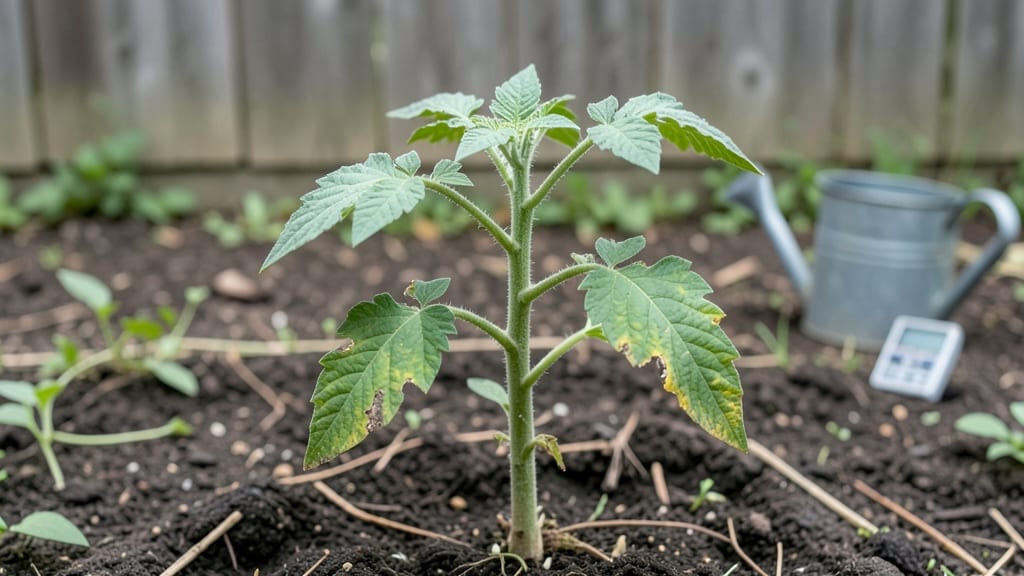
Tomato seedling leaves turning yellow is usually a cry for help from roots drowning in soggy soil. I’ve seen this happen after just one week of overzealous watering—what looked like thriving plants turned into limp, sad seedlings overnight.
The good news? You can turn this around without losing your plants entirely.
Root rot is the most common culprit, but nutrient deficiencies, pests, or even too much light can trigger the same symptoms. Start by checking the soil: it should feel like a damp sponge, not a dripping washcloth.
If the roots smell foul or look mushy when you gently tug the seedling, you’re dealing with rot. For other causes, look for wilting, stunted growth, or tiny bugs clinging to the stems.
Drain the excess water first—let the soil dry out for a full day before watering again. If the roots are already damaged, trim away the mushy parts with clean scissors and replant in fresh, well-draining soil.
Within 3-5 days, you’ll see new growth if the roots are still salvageable. The key is acting fast before the whole plant gives up.
Prevent future meltdowns by using pots with drainage holes and a soil mix designed for seedlings—it’s lighter and drains better than garden soil. Water only when the top inch feels dry, and avoid letting seedlings sit in saucers full of standing water.
Trust me, your next batch will stay perky and productive.
Root Causes Behind Yellowing Leaves
When your tomato seedlings’ leaves start turning yellow, it’s usually a distress signal from the plant. Understanding the why behind this symptom is the first step to saving your crop.
Below, we break down the most common culprits—each with a clear scientific explanation and actionable insights to help you diagnose the issue quickly.
Yellowing leaves in tomato seedlings are often a cry for help from root suffocation. When soil stays too wet, roots can’t access oxygen, leading to anaerobic conditions—a hostile environment where beneficial microbes struggle to thrive.
Over time, this triggers root rot, a fungal or bacterial infection that cuts off nutrient and water uptake.
🔍 How to spot it:
- Leaves yellow from the bottom up, often with a mushy, foul-smelling base.
- Soil feels soggy even hours after watering.
- Seedlings may wilt despite moist soil (a classic sign of oxygen deprivation).
💡 Fix it fast:
- Let the top 1–2 inches of soil dry out before watering again.
- Repot seedlings into well-draining soil mixes (add perlite or vermiculite for aeration).
- Avoid saucers under pots—water should drain freely, not pool.
While overwatering is a common villain, underwatering can also cause yellowing leaves—especially in seedlings struggling to establish roots. When soil dries out too much, roots shrink and can’t absorb water efficiently, leading to transpiration stress. Heatwaves compound the problem by increasing evaporation rates, causing leaves to scorch at the edges.
🔍 How to spot it:
- Leaves yellow along the edges first, then crisp or curl.
- Soil feels bone-dry to the touch.
- Seedlings may droop slightly but perk up when watered.
💡 Fix it fast:
- Water deeply until it drains from the bottom of the pot.
- Move seedlings to a shadier spot (direct sun + dry soil = double trouble).
- Use mulch (like straw) to retain moisture in the soil.
Yellowing leaves can signal a nutrient deficiency, most commonly nitrogen, but also magnesium or iron. Nitrogen is vital for chlorophyll production—the pigment that gives leaves their green hue. Without enough, leaves lose their color, starting with the older ones (a process called chlorosis).
📊 Deficiency breakdown:
Nutrient
Yellowing Pattern
Other Clues
Nitrogen (N)
Older leaves yellow first, then brown and die.
Stunted growth, weak stems.
Magnesium (Mg)
Yellow patches between veins (interveinal chlorosis).
Common in alkaline soils; affects older leaves.
Iron (Fe)
Young leaves turn yellow while veins stay green.
Often in alkaline or overly wet soils.
💡 Fix it fast:
- For nitrogen: Use a balanced fertilizer (like 10-10-10) or compost tea.
- For magnesium: Apply Epsom salt (1 tbsp per gallon of water) every 2 weeks.
- For iron: Use chelated iron or adjust soil pH to 6.0–7.0 (test with a kit).
Pathogens like Fusarium wilt, Pythium root rot, or early blight can turn tomato seedling leaves yellow as they attack roots or foliage. These infections thrive in wet, warm conditions and can spread rapidly, blocking nutrient transport and causing systemic decline.
🔍 How to spot it:
- Yellowing paired with black or brown spots on stems/leaves.
- Mushy, discolored roots when pulled from soil.
- Seedlings collapse suddenly despite watering.
💡 Fix it fast:
- Remove infected seedlings immediately to prevent spread.
- Disinfect pots with a 10% bleach solution (1 part bleach to 9 parts water).
- Use fungicide (like copper-based sprays) and improve airflow.
🎯 Pro tip: Keep a seedling journal to track watering, sunlight, and soil changes—this helps pinpoint patterns faster next time!
Quick Fixes for Yellowing Seedling Leaves
Now that you know the culprits behind your tomato seedling’s yellowing leaves—whether it’s overwatering, root rot, nutrient deficiencies, or pests—let’s roll up our sleeves and get those plants back to vibrant health! Below are practical, step-by-step solutions tailored to each cause, plus prevention tips to keep future seedlings thriving.
Signs: Soft, mushy stems, yellowing leaves, foul-smelling soil, and seedlings that topple easily.
Step 1: Stop Watering Immediately 🚰
- Pause all watering for 2–3 days to let the soil dry out.
- If the soil is soggy like a swamp, hold off even longer.
Step 2: Check for Root Rot 🔍
- Gently remove the seedling from its pot and inspect the roots.
- Healthy roots: Firm, white or light tan.
- Rotten roots: Dark, mushy, or smelly.
- If roots are mushy or black, trim the affected parts with sterilized scissors (wipe with rubbing alcohol).
Step 3: Repot in Fresh, Dry Soil 🏺
- Choose a clean pot with drainage holes (if repotting).
- Use a well-draining mix (50% potting soil + 50% perlite or coco coir).
- Let the soil dry completely between waterings—stick your finger in; if the top 1–2 inches are dry, it’s time to water lightly.
Step 4: Improve Drainage 🌧️
- If using a tray, empty excess water after 10–15 minutes.
- Avoid saucers—place pots on a drip tray instead.
- Pro Tip: 💡 Bottom-watering (placing the pot in a tray of water for 10 mins) prevents overwatering while keeping roots moist.
Prevention Tips:
✅ Water only when the top inch of soil is dry (use a moisture meter if unsure). ✅ Use pots with drainage holes—no exceptions! ✅ Avoid compacted soil—add perlite or vermiculite for aeration. ✅ Water in the morning so excess moisture evaporates during the day.
Signs: Yellowing leaves with green veins (chlorosis), stunted growth, or weak stems.
Step 1: Identify the Deficiency 📊
| Symptom | Likely Nutrient Missing | Quick Fix |
|---|---|---|
| Yellow lower leaves | Nitrogen (N) | Add balanced fertilizer (10-10-10) or compost tea. |
| Yellow edges, weak stems | Potassium (K) | Use banana peel tea or potassium sulfate. |
| Pale leaves, slow growth | Magnesium (Mg) | Sprinkle Epsom salt (1 tbsp/gallon) every 2 weeks. |
| Yellow between veins | Iron (Fe) or Zinc (Zn) | Apply chelated iron or fish emulsion. |
Step 2: Feed Your Seedlings 🍽️
- For nitrogen: Mix 1 tbsp blood meal or fish emulsion into the soil.
- For potassium: Brew banana peel tea (soak peels in water for 24 hours, strain, and water plants).
- For magnesium: Dissolve 1 tbsp Epsom salt in a gallon of water and water lightly.
Step 3: Boost Soil Health 🌿
- Add worm castings (natural fertilizer) to the topsoil.
- Mulch with straw to retain moisture and nutrients.
- Avoid over-fertilizing—seedlings are sensitive to salt buildup!
Prevention Tips:
✅ Start with nutrient-rich soil (add compost before planting). ✅ Fertilize lightly—half-strength solutions prevent burn. ✅ Rotate crops to avoid nutrient depletion. ✅ Test soil pH (ideal for tomatoes: 6.0–6.8).
Signs: Yellowing leaves with holes, webbing, or sticky residue, wilting, or fungal spots.
Step 1: Isolate the Plant 🛑
- Move the affected seedling away from healthy plants to prevent spread.
Step 2: Treat Pests 🐜
| Pest | Solution |
|---|---|
| Aphids | Spray with soapy water (1 tsp mild soap + 1 quart water) or neem oil. |
| Spider Mites | Mist leaves daily to increase humidity; spray with neem oil. |
| Fungal Issues | Remove infected leaves, water at the base, and apply copper fungicide. |
Step 3: Strengthen Seedlings 💪
- Boost immunity with compost tea or kelp extract.
- Prune damaged leaves to redirect energy to healthy growth.
Prevention Tips:
✅ Inspect seedlings weekly for early signs of pests. ✅ Use row covers to block pests like flea beetles. ✅ Rotate planting locations yearly to prevent soil-borne diseases. ✅ Avoid overhead watering—it spreads fungal spores.
Once you’ve addressed the root cause, give your seedlings TLC to bounce back:
- Move to a sunnier spot (tomatoes need 6–8 hours of sunlight).
- Thin seedlings if overcrowded (keep 1–2 inches between plants).
- Hardening off (gradually expose to outdoor conditions) before transplanting.
Remember: 🌱 Patience is key! Yellowing leaves can take 1–2 weeks to recover, but with the right care, your tomato seedlings will be strong, green, and ready for harvest. 🍅🔥
Frequently asked questions about tomato seedling leaves turning yellow
Why do the bottom leaves turn yellow first?
Older leaves yellow first because they act as nutrient reservoirs for new growth. When seedlings struggle with root stress or nutrient deficiencies, they prioritize feeding younger leaves. This is normal aging—but if it spreads quickly or the leaves die completely, check for overwatering or root rot.
Can I save a seedling if the roots are mushy?
Yes, but act fast! Trim the mushy, black roots with clean scissors, then replant in fresh, well-draining soil. Let the soil dry completely before watering again. If more than half the roots are rotten, the seedling may not recover.
What’s the difference between yellow leaves from overwatering vs. underwatering?
Overwatering causes bottom-up yellowing with mushy stems, while underwatering yellows edges first and may cause crispy leaves. Check soil moisture: if it’s soggy, you’re overdoing it; if bone-dry, water deeply until it drains from the bottom.
Will Epsom salt fix yellow leaves?
Only if the issue is a magnesium deficiency—look for yellow patches between veins. Mix 1 tablespoon Epsom salt per gallon of water and apply every 2 weeks. For other causes (like overwatering), Epsom salt won’t help. Test soil pH first—alkaline soil blocks magnesium uptake.
How do I prevent yellow leaves in future seedlings?
Use pots with drainage holes, water only when the top inch of soil is dry, and avoid saucers that trap water. Start with lightweight seedling mix (add perlite) and fertilize lightly. Harden off seedlings gradually before transplanting.