
Vegetables
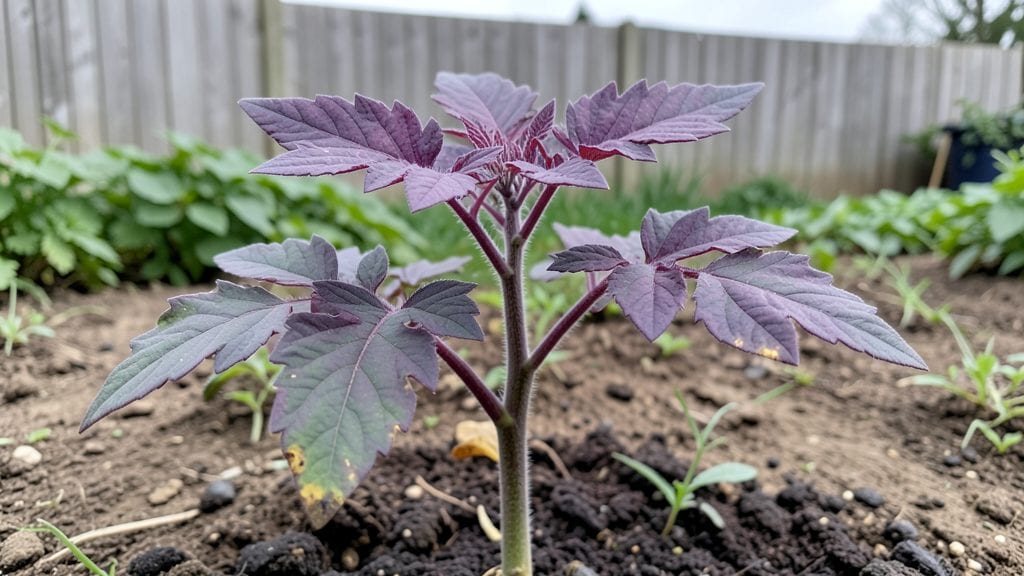
Purple tomato seedlings don’t mean your harvest is doomed—it’s actually a common sign your plants are struggling to find balance. ✨ I’ve nursed dozens of seedlings back to health after spotting that telltale purple hue on stems and undersides of leaves, and the fixes are simpler than you’d think.
The key is understanding whether your plants need more light, cooler temps, or a nutrient tweak.
Most purple stems come from phosphorus deficiency, but temperature stress or even fungal pressure can trigger it too. I learned the hard way that overwatering or letting seedlings get too hot under grow lights makes the problem worse.
The good news? A quick soil check, adjusted watering, and sometimes a dash of bone meal or compost tea can turn those purple stems back to a healthy green in just a few days.
You’ll see the first signs of recovery within 3-5 days—new growth emerges with normal green color, and the plants start reaching for the light instead of wilting. The real payoff?
Those same seedlings will grow into sturdy, productive plants with fewer disease issues later in the season. Once you spot the pattern, you’ll catch it early every time.
Works for both indoor starts and greenhouse seedlings, and the fixes apply to other nightshades like peppers too. Let’s get those seedlings thriving again—no purple allowed!
The Hidden Triggers Behind Purple Seedlings
If your tomato seedlings are sporting unexpected purple hues instead of the classic green, don’t panic—it’s not always a sign of trouble! Purple leaves or stems in young tomato plants are often a response to their environment or genetics.
Understanding the root causes helps you adjust care strategies to promote healthy, green growth. Let’s break down the most common reasons why this happens, so you can take action.
Purple tinges in tomato seedlings are often a cry for help—specifically, a lack of essential nutrients. While mature plants can sometimes tolerate deficiencies, seedlings are far more sensitive. Here’s what’s likely missing:
- Nitrogen (N): Purple stems or veins are a classic sign of nitrogen starvation. This nutrient is critical for chlorophyll production (the green pigment in leaves). Without it, seedlings struggle to photosynthesize efficiently, leading to stunted growth and that telltale purple hue. Fix it: Use a balanced fertilizer (like 10-10-10) or add compost tea to provide an immediate nitrogen boost.
- Phosphorus (P): While phosphorus deficiencies are less common in seedlings, they can cause purple or reddish discoloration, especially in cooler soil. Phosphorus aids root development and energy transfer. Fix it: Mix bone meal or a phosphorus-rich fertilizer into the soil before planting.
- Potassium (K): Purple edges or spots on leaves may indicate potassium deficiency, which weakens cell structure. Seedlings become more susceptible to stress and disease. Fix it: Apply a potassium sulfate or wood ash to the soil.
💡 Pro Tip: Test your soil’s pH (ideal range for tomatoes: 6.0–6.8). Nutrient availability drops outside this range, making deficiencies worse. A simple soil test kit can save you guesswork!
Tomato seedlings are tropical plants at heart—they thrive in warmth but wilt under stress from extreme temperatures. Purple leaves or stems can appear when seedlings are:
- Too Cold: Temperatures below 50°F (10°C) slow nutrient uptake and chlorophyll production. Seedlings may develop purple stems or leaves as a survival mechanism to protect themselves from cold damage. Fix it: Use a heat mat or move seedlings to a warmer location (like a sunny windowsill or greenhouse). Avoid placing them near drafts or air conditioning vents.
- Too Hot: While seedlings love warmth, excessive heat (above 90°F/32°C) can cause stress, leading to purpling. High temperatures also deplete soil moisture quickly, exacerbating nutrient deficiencies. Fix it: Provide shade cloth during peak afternoon sun and ensure consistent moisture with daily watering.
✨ Quick Fix: If your seedlings are in a cool basement or garage, consider a small grow light with a heat source (like a clip-on bulb) to mimic ideal growing conditions.
Water is the lifeblood of seedlings, and imbalances can trigger purpling. Here’s how to spot the problem:
- Underwatering: Dry soil restricts nutrient absorption, leading to purple stems or leaf edges. Seedlings may also develop a wilted, papery texture. Fix it: Water gently at the soil level (avoid overhead spraying) and check moisture daily. Use your finger to test depth—top 1–2 inches should feel damp.
- Overwatering: While less common, soggy soil can suffocate roots, cutting off nutrient flow and causing purpling. Look for yellowing leaves or a foul smell as red flags. Fix it: Allow the top inch of soil to dry slightly between waterings and ensure pots have drainage holes.
🎯 Golden Rule: Consistency is key. Seedlings prefer evenly moist (not soggy) soil. A self-watering tray can help maintain steady moisture levels.
Not all purple is a cause for alarm! Some tomato varieties are bred to display purple hues in their foliage or stems, especially under certain conditions. For example:
- Anthocyanin Pigments: Many heirloom and hybrid tomatoes produce anthocyanins, natural pigments that give leaves or stems a purple, red, or blue tint. These pigments act as sunscreen, protecting seedlings from intense light. What to do: If your seedlings are otherwise healthy (vigorous growth, no wilting), the purpling may just be their genetic flair. Check your seed packet for variety traits!
- Light Exposure: Seedlings grown under bright, direct light (like a south-facing window) may develop purple stems or leaves due to high light intensity. This is often harmless and fades as the plant matures. Fix it: If you prefer green seedlings, provide gentle, indirect light until they’re transplanted outdoors.
🔍 Tell-Tale Sign: Healthy purple seedlings should have strong, upright stems and no yellowing or browning. If they’re thriving despite the color, celebrate their uniqueness!
A soil pH that’s too high (alkaline) or too low (acidic) can block nutrient uptake, leading to purpling. Tomatoes prefer a slightly acidic environment:
- Alkaline Soil (pH > 7.0): High pH reduces iron, manganese, and phosphorus availability, causing purple stems and interveinal chlorosis (yellowing between veins). Fix it: Amend soil with sulfur or peat moss to lower pH gradually.
- Acidic Soil (pH < 5.5): While rare, overly acidic soil can limit nutrient solubility, leading to stress. Fix it: Add lime or wood ash to raise pH slowly.
📊 Simple Test: Use a pH test kit (available at garden centers) to check your soil. Aim for a target of 6.0–6.8 for optimal tomato growth.
Fixing Purple Seedlings Naturally
If your tomato seedlings are showing up purple—whether in stems, leaves, or patches—don’t panic! This issue is usually fixable with simple, targeted care. Below, we’ll break down the most common causes and provide practical, step-by-step solutions to restore healthy green growth.
We’ll also share prevention tips to keep your seedlings thriving from the start.
Cause: Purple stems or veins often signal a phosphorus or potassium shortage, especially in young seedlings. Fix:
- 🔥 Boost Phosphorus Fast:
- Mix 1 tablespoon of bone meal (high in phosphorus) into the soil around seedlings.
- Water lightly to activate nutrients. Avoid overwatering—phosphorus works best in moist but not soggy soil.
- Alternative: Use a balanced liquid fertilizer (10-10-10 or 5-10-10) diluted to half-strength and apply directly to the soil (not leaves).
- 🍳 Add Potassium for Strength:
- Sprinkle wood ash (1 teaspoon per seedling) around the base—it’s rich in potassium and raises soil pH slightly, which can help.
- For a quicker fix, use Epsom salt (magnesium sulfate)—dissolve 1 teaspoon in 1 gallon of water and water the seedlings at the soil line.
- 👨🍳 Prevent Future Shortages: - Test your soil before planting (pH 6.0–6.8 is ideal for tomatoes). Use a DIY test kit or send a sample to a local extension office. - Amend soil with compost or well-rotted manure before sowing seeds.
Aim for 2–3 inches of organic matter in the topsoil.
Cause: Purple-tinged leaves can also mean heat stress, sun scorch, or transplant shock in seedlings. Fix:
- 🌡️ Shield from Harsh Sun:
- Move seedlings to a shadier spot (4–6 hours of morning sun max) if temperatures exceed 85°F (29°C).
- Use shade cloth (30–50%) if outdoors or place near a southeast-facing window indoors.
- Pro Tip: 💡 Mist seedlings lightly in the morning to cool them down—avoid evening watering to prevent fungal issues.
- 🥘 Gradually Acclimate Seedlings:
- If transplanting, harden off seedlings over 7–10 days by exposing them to outdoor conditions for 1–2 hours daily, increasing time slowly.
- Avoid direct sun during the first few days post-transplant.
- ✨ Revive with Foliar Care:
- Spray leaves with a diluted seaweed extract solution (1 tsp per quart of water) to reduce stress and improve resilience.
- Ensure consistent moisture—let the top inch of soil dry between waterings to prevent stress.
Cause: Some heirloom or purple-fruited tomato varieties (like ‘Indigo Rose’ or ‘Purple Calabash’) naturally produce purple stems or leaves—this is normal! Fix: 1. 🎯 Confirm the Variety: - Check your seed packet or research the cultivar.
If purple is expected, no action is needed—focus on growing conditions instead. - Example: ‘Black Krim’ tomatoes often have deep purple foliage but produce delicious red fruit.
- 🌿 Optimize Growth for Edible Fruit:
- Even if leaves are purple, ensure balanced nutrients (especially nitrogen) for lush vines.
- Side-dress with compost tea every 2 weeks to support fruit development.
Cause: Purple spots or streaks could indicate fungal infection (e.g., early blight) or pest damage (aphids, spider mites). Fix:
- 🔪 Inspect for Pests:
- Check undersides of leaves for aphids (tiny green/black bugs) or spider mites (fine webbing).
- Blast off pests with a strong stream of water or spray with neem oil solution (1 tbsp neem oil + 1 tsp mild soap per quart of water).
- 🍎 Treat Fungal Issues:
- Remove affected leaves and destroy them (don’t compost).
- Apply copper fungicide or a baking soda spray (1 tsp baking soda + 1 quart water + few drops of soap) weekly for prevention.
- 🌡️ Improve Airflow:
- Space seedlings 12–18 inches apart to reduce humidity and fungal spread.
- Use small fans on low speed (24/7) to strengthen seedlings and deter pests.
Start strong to avoid purple surprises:
- 💡 Use high-quality seed-starting mix (sterile and light—avoid garden soil).
- 🥗 Fertilize lightly at first—seedlings need low nitrogen (use a 5-10-10 or 3-4-6 formula).
- 🌡️ Keep temps consistent (65–75°F / 18–24°C for germination; 70–75°F / 21–24°C for growth).
- 🎯 Monitor moisture—overwatering causes nutrient lockout; underwatering stresses roots.
Final Note: Most purple seedlings bounce back with targeted care—whether it’s a nutrient tweak, shade adjustment, or pest control. Keep an eye on your plants, and don’t hesitate to experiment with organic amendments. Happy growing! 🍅✨
Frequently asked questions
Is it normal for tomato seedlings to turn purple?
Not always! While some heirloom varieties (like 'Indigo Rose') naturally develop purple hues, most seedlings show purple when stressed. Check for nutrient deficiencies (especially phosphorus), temperature extremes, or watering issues. Healthy seedlings should have strong stems and no yellowing—purple alone isn't necessarily harmful, but it's worth investigating.
Can I fix purple stems by just adding more water?
Not necessarily. Overwatering can actually worsen the problem by suffocating roots and blocking nutrient uptake. Instead, check soil moisture—keep the top 1-2 inches damp but never soggy. Purple stems usually respond better to balanced fertilization (like bone meal) or adjusting light/temperature conditions than just water.
What's the fastest way to turn purple seedlings green again?
For immediate results, mix 1 tablespoon bone meal into the soil and water lightly. Combine this with proper light (14-16 hours/day) and temperatures between 70-75°F. You should see green growth return within 3-5 days. Avoid high-nitrogen fertilizers at this stage—they can stress young seedlings further.
Will purple seedlings still produce good tomatoes?
Yes! The color itself doesn't affect fruit quality. However, if purple stems are caused by stress (nutrient deficiencies, temperature extremes), those seedlings may be more vulnerable to disease later. Address the underlying issue quickly to ensure strong, productive plants. Most varieties recover completely once conditions improve.
Can I use Epsom salt to fix purple seedlings?
Epsom salt (magnesium sulfate) helps with nutrient uptake and can quickly revive stressed seedlings. Dissolve 1 teaspoon in 1 gallon of water and water at the soil line. This works particularly well for purple stems caused by magnesium or potassium deficiencies, and you'll often see improvement within 24-48 hours.