How To
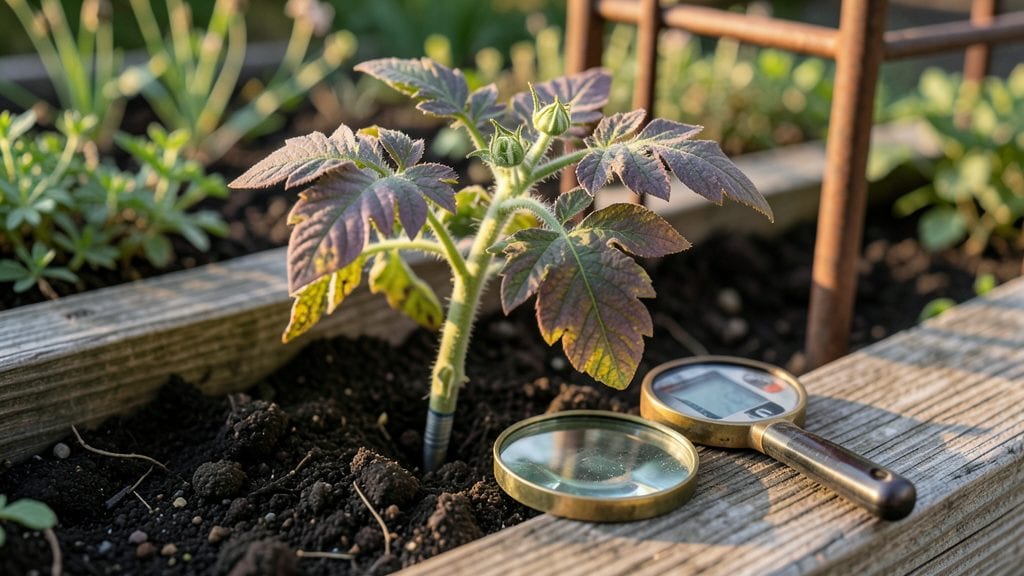
Tomato seedlings with purple leaves aren’t just a cosmetic issue—they’re screaming for help, and the fix starts with a simple nitrogen boost. 🌱 I’ve nursed dozens of seedlings back from this exact problem, and the solution often comes down to what’s missing in the soil, not what’s wrong with the plant.
The purple tint usually means phosphorus or potassium is low, but nitrogen deficiency can trigger it too, especially in fast-growing seedlings.
Most gardeners reach for fancy fertilizers, but the real game-changer is often organic matter—compost, worm castings, or even a diluted fish emulsion. These add nitrogen while balancing other nutrients, and they work faster than you’d think.
I’ve seen seedlings turn vibrant green within 5-7 days after a gentle feeding. The key is consistency: don’t overdo it, but don’t skip it either.
You’ll know you’re on the right track when the purple fades and new leaves emerge with a rich, deep green color. The plants will start putting energy into growth instead of survival mode.
If the problem persists after two weeks, check for root issues or disease—sometimes the fix is deeper than fertilizer. But in most cases, this simple step is all you need.
Prevention is easier than fixing: start with a balanced seed-starting mix and feed lightly every 7-10 days. Overcrowded seedlings or cold soil can also trigger this stress, so keep them warm and spaced properly.
Once you’ve got this down, your seedlings will grow so strong, you’ll wonder why you ever worried.
Root Causes of Purple Tomato Leaves
Purple leaves on your tomato seedlings aren’t just a cosmetic issue—they’re a cry for help from your plants! Understanding the why behind this discoloration is the first step to saving your future harvest.
Below, we break down the most common culprits, backed by science, so you can diagnose the problem like a pro.
Purple leaves often signal a lack of essential nutrients, particularly phosphorus, potassium, or nitrogen, which are critical for healthy growth. Here’s how each deficiency manifests:
- Phosphorus Deficiency (P) - Why it happens: Phosphorus is vital for energy transfer in plants, especially during root and flower development.
Soil with high organic matter or recent fertilizer applications can temporarily "lock up" phosphorus, making it unavailable to seedlings. - How to spot it: Leaves develop a deep purple or violet hue, especially along the undersides or veins, while older leaves may turn yellow or brown at the edges. - Actionable fix: Apply a balanced fertilizer (10-10-10 or 5-10-10) or a phosphorus-specific amendment like bone meal.
For seedlings, a weak liquid fertilizer (½ strength) every 7–10 days can help.
- Potassium Deficiency (K) - Why it happens: Potassium regulates water balance and enzyme activity.
Overwatering, leaching from sandy soils, or excessive nitrogen (without potassium) can deplete potassium levels. - How to spot it: Purple or reddish margins on older leaves, which may also appear cupped or curled.
Young leaves stay green but grow slowly. - Actionable fix: Use a potassium-rich fertilizer (like 0-0-52 or greensand) or potassium sulfate. Add wood ash (sparingly) to slightly alkaline soils, as it contains potassium.
- Nitrogen Deficiency (N) - Why it happens: While nitrogen is often blamed for yellowing (chlorosis), purple leaves can also occur if nitrogen is too low but phosphorus/potassium are disproportionately high.
This throws off the plant’s nutrient balance. - How to spot it: Overall stunted growth with purple stems and undersides of leaves, while older leaves may yellow between veins. - Actionable fix: Apply a nitrogen boost (e.g., blood meal, fish emulsion, or urea) in combination with phosphorus/potassium.
Avoid overdoing it—too much nitrogen without balance can worsen the issue.
Tomato seedlings are sensitive to extremes, and purple leaves can be a sign of cold stress, heat shock, or insufficient light.
- Cold Stress (Below 50°F/10°C) - Why it happens: Tomatoes are warm-season crops and can’t tolerate prolonged cold.
Temperatures below 50°F (10°C) slow nutrient uptake, causing anthocyanin production (the pigment behind purple leaves) as a protective response. - How to spot it: Uniform purple tint on all leaves, often paired with slow growth or wilting.
Stems may appear stiff or brittle. - Actionable fix: - Move seedlings to a warmer location (e.g., greenhouse, sunny windowsill, or under grow lights). - Use row covers or cloches if planting outdoors in cool weather. - Avoid watering cold seedlings—use room-temperature water to prevent shock.
- Heat or Light Stress
- Why it happens: While tomatoes love heat, intense sunlight or high temperatures (above 90°F/32°C) can cause oxidative stress, leading to purple hues as the plant tries to shield itself from damage.
- How to spot it: Purple or reddish leaves paired with yellowing between veins (sunburn) or drooping (heat exhaustion).
- Actionable fix:
- Provide afternoon shade (use shade cloth if temps exceed 90°F).
- Ensure proper watering—deep, consistent moisture helps regulate temperature.
- Use mulch to keep soil cool and retain moisture.
Water stress—whether from overwatering or underwatering—can trigger purple leaves by disrupting nutrient absorption or causing root damage.
- Overwatering (Poor Drainage or Soggy Soil) - Why it happens: Excess water depletes oxygen in the soil, leading to root rot and nutrient leaching.
Roots can’t absorb phosphorus/potassium, so the plant produces anthocyanins as a stress signal. - How to spot it: Purple leaves + yellowing (from chlorosis), mushy stems, or slow wilting.
Soil may smell sour or feel waterlogged. - Actionable fix: - Improve drainage by amending soil with perlite, vermiculite, or sand. - Let the top 1–2 inches of soil dry out between waterings. - Repot affected seedlings into well-draining mix if roots are rotting.
- Underwatering (Drought Stress) - Why it happens: Tomatoes need consistent moisture, especially seedlings.
Drought triggers anthocyanin production to protect leaves from sun damage while conserving water. - How to spot it: Dull purple or reddish leaves, crispy edges, or leaves curling inward. - Actionable fix: - Water deeply and slowly (1–2 inches per week, more in heat). - Use drip irrigation or soaker hoses to avoid wetting leaves (which can cause disease). - Mulch around seedlings to retain moisture.
Soil pH affects nutrient availability. Tomatoes thrive in slightly acidic to neutral soil (pH 6.0–6.8). Outside this range, nutrients like phosphorus and iron become "locked up," leading to deficiencies—and purple leaves.
- Why it happens: - Too acidic (pH < 5.5): Excess aluminum and manganese become toxic, while phosphorus binds to soil particles, making it unavailable. - Too alkaline (pH > 7.0): Phosphorus and iron precipitate out of solution, causing deficiencies. - How to spot it: Purple leaves + stunted growth, even if you’ve fertilized.
Older leaves may also show yellowing between veins (iron deficiency). - Actionable fix: - Test your soil with a home pH kit or send a sample to a local extension office. - Lower pH (make more acidic): Add sulfur, peat moss, or pine needles. - Raise pH (make more alkaline): Mix in lime or wood ash (use sparingly—tomatoes prefer slightly acidic soil).
Pro Tip 💡: If your seedlings show purple leaves alongside other symptoms (e.g., stunted growth, weak stems), rule out pests or disease (like aphids or fungal infections) by inspecting the undersides of leaves and roots.
Revive Your Seedlings Fast
When your tomato seedlings start showing purple-tinged leaves, it’s a clear signal that something’s off—but the good news is, most fixes are simple and fast.
Below, we’ve mapped out the most common causes of purple leaves to step-by-step solutions, so you can get your seedlings back on track in no time. Plus, we’ll share prevention tips to keep your plants thriving long-term.
If your seedlings are sitting in soggy soil, their roots can’t breathe, leading to nutrient deficiencies and that telltale purple hue.
👨🍳 Step 1: Check the Soil
- Stick your finger 1-2 inches deep into the soil. If it feels damp or mushy, you’re overwatering.
- Fix it: Let the soil dry out slightly between waterings. Tomato seedlings prefer moist but not waterlogged soil.
🥘 Step 2: Improve Drainage
- If your pots lack drainage holes, transfer seedlings to containers with holes ASAP.
- Mix in perlite or coarse sand (10-20%) to improve aeration and prevent compaction.
⏰ Step 3: Adjust Your Watering Routine
- Water only when the top inch of soil is dry—morning is best to allow excess moisture to evaporate.
- Pro tip: 💡 Use a spray bottle for gentle watering to avoid disturbing delicate seedlings.
🌱 Prevention Tips
- Use well-draining potting mix (avoid garden soil, which compacts easily).
- Elevate pots on saucers or trays to prevent water pooling.
Purple leaves often signal a lack of nitrogen, phosphorus, or potassium—or an imbalance of micronutrients like magnesium or calcium.
🔪 Step 1: Test Your Soil (If Possible)
- A DIY soil test kit (available at garden centers) can reveal pH and nutrient levels.
- Quick fix: If you don’t have a test kit, assume your seedlings need a balanced fertilizer (like 10-10-10) or a nitrogen boost (like diluted fish emulsion).
🥘 Step 2: Apply the Right Fertilizer
- For nitrogen deficiency (most common):
- Mix 1 tbsp of blood meal or compost into the top inch of soil.
- OR use a liquid nitrogen fertilizer (like urea) at half-strength.
- For phosphorus/magnesium deficiency:
- Sprinkle bone meal or Epsom salt (1 tbsp per gallon of water) around the base.
⏰ Step 3: Water Deeply After Fertilizing
- Always water thoroughly after applying fertilizer to help nutrients absorb into the soil.
- Avoid over-fertilizing—this can burn roots and worsen the problem.
🎯 Prevention Tips
- Fertilize lightly every 2-3 weeks once seedlings have 2-3 true leaves.
- Rotate fertilizers to prevent buildup (e.g., switch between compost tea and synthetic fertilizers).
- Mulch with compost to slowly release nutrients over time.
Purple leaves can also appear if seedlings are too cold, too hot, or not getting enough light—all of which stress the plant and disrupt nutrient uptake.
🔥 Step 1: Check Light Exposure
- Seedlings need 12-16 hours of light daily. If they’re leggy or purple, they’re likely light-deprived.
- Fix it:
- Move seedlings closer to a bright window (south-facing is best).
- OR supplement with a grow light (LED or fluorescent) 2-3 inches above the plants.
🥗 Step 2: Regulate Temperature
- Ideal daytime temps: 70-75°F (21-24°C).
- Nighttime temps: 60-65°F (15-18°C).
- Fix it:
- Move seedlings away from drafts, heaters, or air conditioners.
- Use a seedling heat mat (set to 70°F) if nights are too chilly.
✨ Prevention Tips
- Hardening off seedlings gradually before transplanting helps them adjust to outdoor temps.
- Avoid sudden temperature swings—keep seedlings in a stable environment.
If your seedlings are already struggling, try this emergency boost:
- Flush the soil with water to remove excess salts or fertilizer buildup.
- Mix 1 tsp of baking soda in a gallon of water (for magnesium deficiency) and water lightly.
- Place seedlings in bright, indirect light and stop watering for 24 hours to let roots recover.
- After 48 hours, resume light, consistent watering and monitor for improvement.
With these fixes, your tomato seedlings should bounce back in 5-7 days. Purple leaves are a warning sign, not a death sentence—so act fast, adjust your care routine, and watch your plants thrive! 🌱
Frequently asked questions
Why do my tomato seedlings develop purple leaves even when I'm using fertilizer?
Purple leaves often indicate an imbalance rather than a total lack of nutrients. If you're over-fertilizing with nitrogen-heavy products (like blood meal) without balancing phosphorus or potassium, the plant produces anthocyanins (purple pigments) as a stress response. Try a balanced 10-10-10 fertilizer at half-strength or switch to compost tea for a gentler nutrient boost.
Can I still save my tomato seedlings if the purple leaves have yellow edges?
Yes, but act quickly! Yellow edges with purple tint usually mean potassium deficiency combined with phosphorus stress. Flush the soil with water to remove excess salts, then apply Epsom salt (1 tbsp per gallon) for magnesium and wood ash (lightly) for potassium. Keep them in bright, indirect light and monitor for improvement within 5-7 days.
Is it safe to transplant tomato seedlings with purple leaves?
Only if you've addressed the root cause first. Purple leaves signal stress, and transplanting weak seedlings can shock them further. Wait until the purple fades and new green growth appears (usually 3-5 days after treatment). Harden off seedlings gradually by exposing them to outdoor conditions for 1-2 hours daily before full transplant.
Will purple leaves affect my tomato harvest later?
Not necessarily if corrected early! Purple leaves are a warning sign, not a permanent condition. Once you balance nutrients and optimize growing conditions, your seedlings will recover and produce healthy fruit. However, prolonged stress can slightly reduce vigor—so address the issue within 1-2 weeks to maximize yield potential.
How can I prevent purple leaves in future tomato seedlings?
Start with well-draining seedling mix and use balanced starter fertilizer (like 5-5-5) at planting. Maintain consistent moisture (never soggy), provide 14+ hours of light daily, and keep temperatures between 70-75°F. Rotate fertilizers every 3 weeks to prevent nutrient imbalances, and always test soil pH before planting.