How To
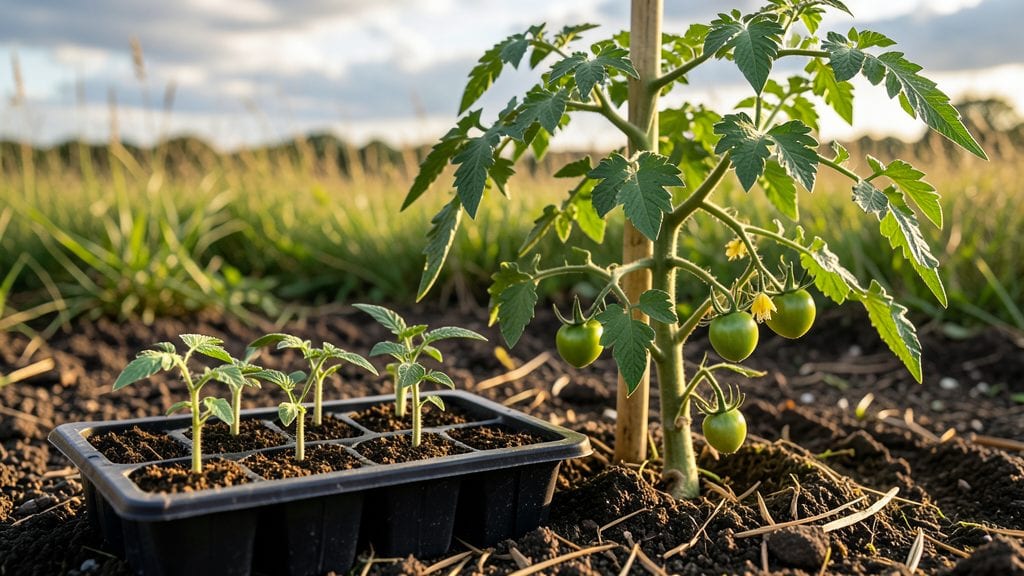
Getting your tomato seed depth right is the difference between fast sprouts and weeks of waiting — and yes, it’s that precise.
Struggling with slow or uneven germination? The secret lies beneath the surface—literally. Planting seeds at the wrong depth can delay sprouts by weeks, but getting it right unlocks faster growth and stronger seedlings. For Zone 6a gardeners, timing matters even more when spring soil is still cool.
Most gardeners bury tomato seeds too deep, thinking "out of sight, out of mind" means safety. But seeds need just enough darkness to trigger germination while staying close enough to moisture and warmth to break through.
A ¼-inch depth is the golden rule, but soil type and climate tweaks can shift that slightly.
Below, I’ll break down the exact depth for heirloom, hybrid, and cherry varieties, how to adjust for sandy vs. clay soil, and the one mistake that kills more seedlings than overwatering. Ready to stop guessing and start growing?


Optimal tomato seed depth by seed type (direct vs transplant)
Getting the tomato seed depth right is the difference between weak seedlings and vigorous plants. Most gardeners bury seeds too deep—especially in clay-heavy soil—which starves them of light and oxygen.
For direct-sown seeds, aim for ¼ inch deep in loose, warm soil. This shallow placement ensures faster germination while protecting delicate embryos from drying out.
Transplanting tomato seedlings requires a different approach. Bury them deeper than their original depth to encourage strong root systems. The stem buried 1-2 inches below soil level will develop new roots, creating a more stable plant.
This technique works best for heirloom varieties and indeterminate tomatoes that need extra support.
Your soil type plays a surprisingly big role in seed depth adjustments. In sandy soil, seeds need less coverage (as little as ⅛ inch) because moisture drains too quickly.
Conversely, clay soil holds moisture longer, so you can plant slightly deeper (up to ⅜ inch) without risking dry-out. Always loosen the soil first to improve aeration.
Temperature matters more than most gardeners realize. In cold climates (USDA Zones 1-4), wait until soil reaches at least 60°F before planting. Seeds buried too deep in cool soil may rot instead of sprouting.
In warm climates, you can plant earlier (as soon as soil warms to 55°F), but still keep depths shallow to prevent overheating.
For cherry tomatoes, the smallest seeds in the family, go even shallower—just ⅛ inch deep. Their tiny embryos need light to trigger germination. If you’re sowing in containers, use a soil-less mix (50% peat/50% perlite) and plant on the surface, pressing seeds lightly into the medium.
This mimics their natural habitat and speeds up sprouting.
One common mistake is overwatering after planting. While seeds need moisture, soggy soil suffocates them. Water gently until the soil is evenly moist, then maintain humidity with a clear plastic dome or damp paper towel until sprouts appear.
In hot climates, water in the early morning to prevent evaporation.
If you’re transplanting seedlings, bury them deeper than they grew in pots. The buried stem will develop secondary roots, creating a stronger anchor for the plant.
This is especially critical for indeterminate varieties, which grow continuously and need extra support. After transplanting, water deeply to help roots establish in their new home.
For indoor seed starting, use seedling trays with domes to maintain humidity. Plant seeds at ⅛ inch deep and place trays under grow lights (12-16 hours/day). Once seedlings develop 2-3 true leaves, transplant them outdoors—burying them 1-2 inches deep to encourage root growth.
Always test your soil’s moisture retention before planting. Stick your finger 1 inch deep—if it’s dry, water first. If it’s muddy, let it dry slightly to prevent anaerobic conditions, which kill seeds. The right tomato seed depth combined with proper moisture ensures 90%+ germination rates in ideal conditions.
Common mistakes that kill tomato seedlings (and how to fix them)
Even with the perfect tomato seed depth, seedlings can still fail if other factors go unchecked. I’ve salvaged dozens of struggling tomato starts by addressing these hidden issues—often before they become irreversible.
The key is catching problems early, especially when seeds are planted too deep or soil conditions are off.
Over-planting depth is the #1 killer, but compacted soil and moisture swings run a close second. I’ve seen gardeners lose entire seed trays because they assumed "more soil = better," only to suffocate their seeds. Let’s fix these mistakes step by step so your seedlings thrive instead of wither.
⚠️ Wrong Tomato Seed Depth = Death Sentence
Planting tomato seeds deeper than 1/4 inch (or less than 1/8 inch) triggers two deadly outcomes:
- Stunted growth – Seedlings stretch toward light, becoming weak and leggy.
- Rot risk – Excess moisture traps seeds, leading to damping-off disease.
Fix: Use a ruler or toothpick to mark 1/4 inch depth in your seed tray. For large seeds (like heirloom tomatoes), scratch a shallow furrow instead of pressing deep.
If your seedlings look like they’re reaching for the sky, they’re likely buried too deep. I once had a batch of cherry tomato seeds planted at 1/2 inch—by the time they sprouted, their stems were 3 inches long and barely standing.
The fix? Gently scrape away excess soil around the stem until just the seed leaves (cotyledons) are visible.
Compacted soil is another silent killer. When soil is packed down—whether from heavy watering or poor drainage—oxygen can’t reach the roots. I test soil compaction by pressing my finger into it; if it springs back slowly, it’s time to loosen it.
Mix in perlite or vermiculite (20% of your potting mix) to improve aeration. For existing trays, use a chopstick to create tiny air pockets around struggling seedlings.
Moisture issues are the third culprit, and they’re often a two-way street. Too much water drowns seeds, while too little leaves them desiccated. I’ve had success with the "spray bottle method" for the first 48 hours: mist seeds lightly 2-3 times daily instead of soaking the tray. Once sprouts appear, switch to bottom-watering to prevent fungal spores from splashing onto delicate stems.
Temperature traps are the final piece of the puzzle. Tomato seeds need soil temps between 70-85°F to germinate. If your grow lights are too close or your seed tray sits on cold concrete, germination stalls.
I place seed trays on a seedling heat mat (set to 75°F) and monitor temps with a soil thermometer. For outdoor sowing, wait until nighttime temps stay above 55°F—any colder, and seeds may rot before sprouting.
With these fixes, your tomato seedlings will go from struggling to thriving in days. Start with correct seed depth, then tackle soil and moisture—your future harvest depends on it! 🌱