Watering
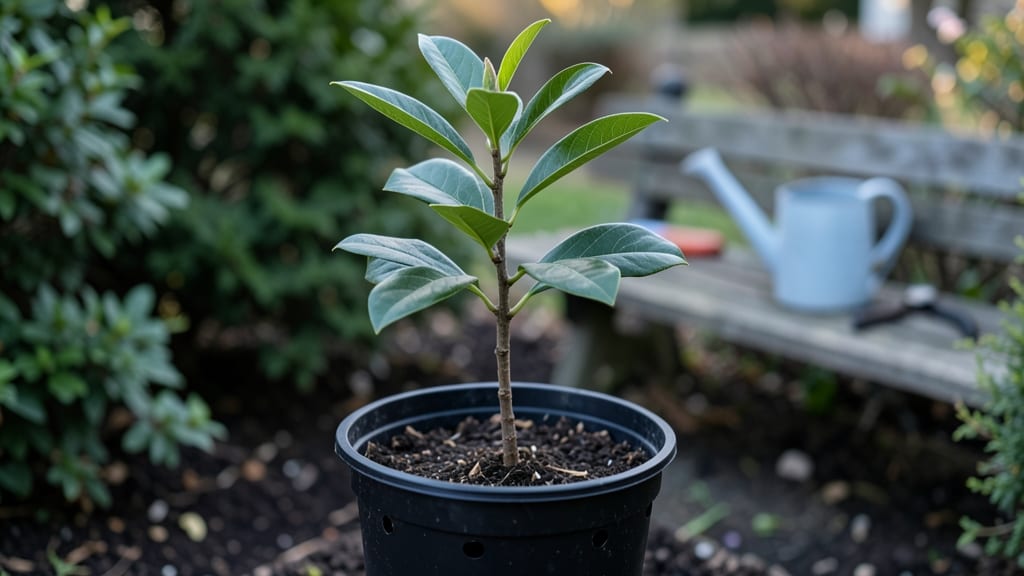
The layered chill method transforms a sweetbay magnolia seedling into a fragrant spring bloomer with intentional cold exposure. I’ve watched these delicate seedlings go from fragile sprouts to robust plants capable of withstanding winter’s chill—key for triggering their first flush of creamy-white flowers.
The process mimics nature’s timing, ensuring the seedling recognizes when to break dormancy and bloom.
Sweetbay magnolias thrive in acidic, well-draining soil with morning sun and afternoon shade, making them perfect for understory plantings or woodland gardens. Plant in USDA Zones 5-9, but protect young seedlings from late spring frosts—their glossy leaves are tender until established.
A mulch layer of 2-3 inches keeps roots cool and conserves moisture, which is critical during their first growing season.
Water deeply once a week during dry spells, ensuring the top 6 inches of soil stay moist but never soggy. Fertilize lightly in early spring with an acid-loving plant formula (like 10-10-10 with peat moss) to encourage root growth without burning delicate foliage.
The reward? A fragrant canopy by late spring, with blooms that last weeks and attract pollinators.
Common challenges include overwatering (root rot is a silent killer) and late frosts (use frost cloth if temperatures dip below 28°F). With patience, your seedling will develop the resilience of mature trees—just give it 3-5 years before expecting full blooms.
The layered chill method isn’t just a technique; it’s a promise of future fragrance.
📚 In This Guide
- What you need
- Instructions
- Tips and common mistakes
- Wrapping up and next steps
What you need
- ● Sweetbay magnolia seedling: 1 healthy, 1–2 year old seedling (ensure it’s disease-free and has strong roots).
- ● Well-draining potting mix: 5–10 gallons (mix equal parts peat moss, perlite, and compost for aeration).
- ● Large container or pot: 1–2 gallons (with drainage holes) or a nursery tray for layering.
- ● Plastic wrap or humidity dome: Enough to cover the seedling snugly (or a clear plastic bag with holes).
- ● Refrigerator or cold frame: A space that maintains 35–45°F (2–7°C) for stratification.
- ● Spray bottle: For gentle watering (avoid soaking the seed).
- ● Label or marker: To track planting dates and chill progress.
- ● Pruning shears or knife: For trimming roots or seeds if needed (sterilize with rubbing alcohol).
- ○ Thermometer: Optional but helpful for monitoring cold temps (aim for consistency!).
- ● Grow lights or sunny windowsill: For post-chill germination (12+ hours of light/day).
- ○ Fungicide (optional): A light dose of copper-based spray to prevent mold during stratification.
Instructions for sweetbay magnolia seedling stratification
This method ensures reliable germination by mimicking natural winter conditions.
Collect and Prepare Seeds
Harvest mature sweetbay magnolia seeds in late fall when the cones open naturally. The seeds should be plump and dark brown, indicating full ripeness. Remove any remaining cone tissue and clean the seeds by rinsing them gently in lukewarm water. Spread them on a paper towel to air-dry for 24 hours at room temperature.
Here's the thing—fresh seeds germinate poorly without proper stratification. I always store them in a sealed plastic bag with a damp paper towel to maintain moisture. Place the bag in the refrigerator's crisper drawer, where temperatures hover around 35-40°F. This mimics the natural cold period sweetbay magnolia seeds require to break dormancy.
Layer Stratification for Optimal Germination
After 3 months of cold stratification, remove the seeds from the refrigerator and inspect them for any signs of mold or softening. If they look healthy, place them in a 6-inch deep container filled with moistened potting mix. The potting mix should feel like a wrung-out sponge—damp but not soggy.
Cover the container with a clear plastic lid or wrap it in plastic wrap to maintain humidity. Place the container in a cool, dark location (like a basement or garage) where temperatures stay between 40-50°F. This layered approach ensures the seeds experience both cold and moisture, which is critical for breaking dormancy in sweetbay magnolia.
Monitor and Transplant Seedlings
Check the container every 2 weeks for signs of germination, which typically occurs within 4-6 months of starting stratification. When you see the first true leaves (not the initial seed leaves), it's time to prepare for transplanting. Gently remove the seedlings from the container and separate them, ensuring each has a healthy root system.
Transplant the seedlings into individual 4-inch pots filled with a well-draining potting mix. Place the pots in a shaded outdoor location or under a grow light indoors, providing 12-14 hours of light daily. Keep the soil consistently moist but never waterlogged—sweetbay magnolia seedlings are sensitive to root rot.
Acclimate and Plant Outdoors
Once the seedlings have grown to about 6 inches tall and show new growth, they're ready for their first taste of outdoor conditions. Begin by placing them in a sheltered, partially shaded spot for 2-3 hours the first day. Gradually increase their outdoor time over 10-14 days, eventually moving them to full sun.
Real talk: Sweetbay magnolia seedlings thrive in USDA Hardiness Zones 5-9, so ensure your outdoor location matches these conditions. Plant them in well-draining soil with a slightly acidic pH (5.5-6.5) and space them 10-15 feet apart to allow for mature growth. Mulch around the base with 2-3 inches of organic mulch to retain moisture and regulate soil temperature.
Tips & tricks for sweetbay magnolia seedling stratification
Mastering this layered chill method transforms germination challenges into reliable success—here’s how to optimize every critical phase.
Seed Selection and Initial Preparation: When harvesting seeds in late fall, prioritize those that are plump and dark brown, as these indicate full ripeness and highest viability. After rinsing, the 24-hour air-drying period on a paper towel is essential—this prevents mold while maintaining seed integrity. I’ve found that spreading seeds in a single layer maximizes airflow, reducing the risk of premature moisture buildup during this critical drying phase.
Stratification Temperature Precision: The refrigerator’s crisper drawer maintains the ideal 35-40°F range for cold stratification, but consistency is key. I recommend placing a thermometer inside the bag to verify temperatures remain stable. If your fridge runs warmer, transfer the bag to a cooler section or use a second refrigerator. This precision mimics the natural winter conditions sweetbay magnolia seeds require to break dormancy effectively.
Layered Stratification Technique: After the 3-month cold period, the transition to the 6-inch deep container with moistened potting mix requires careful moisture control. The potting mix should resemble a wrung-out sponge—damp enough to support germination but not waterlogged. I’ve had success using a mix of 60% peat moss and 40% perlite for optimal drainage. Covering the container with plastic creates a humid microclimate that prevents seed desiccation during the cool, dark stratification phase.
Germination Monitoring Strategy: Checking every 2 weeks is non-negotiable, but timing your inspections matters. I schedule checks on the same day each week to maintain consistency. The germination window of 4-6 months can feel long, but patience here prevents premature handling. When true leaves emerge (not the initial seed leaves), resist the urge to rush transplanting—wait until roots are visibly developed and sturdy before separating seedlings.
Pro Tips for Sweetbay Magnolia Seedling
- Mastering this layered chill method transforms germination challenges into reliable success—here’s how to optimize every critical phase.
- Seed Selection and Initial Preparation: When harvesting seeds in late fall, prioritize those that are plump and dark brown, as these indicate full ripeness and highest viability.
- Stratification Temperature Precision: The refrigerator’s crisper drawer maintains the ideal 35-40°F range for cold stratification, but consistency is key.
Frequently asked questions
Got questions about growing your sweetbay magnolia seedling?
Here are answers to common concerns to help you nurture fragrant blooms with confidence!
How long does the layered chill method take for sweetbay magnolia seedlings?
The layered chill process typically requires 6–12 weeks in the refrigerator (or a cold, dark space) to simulate winter dormancy. Monitor seed moisture—if it dries out, lightly mist with water. Patience pays off with stronger roots and vibrant spring blooms!
Can I use a freezer instead of the fridge for stratification?
No—never use a freezer! Freezing temps can damage seeds. Stick to the fridge (34–40°F) or a cool basement. If your fridge isn’t cold enough, nestle seeds in a sealed container with a damp paper towel for consistent moisture.
What’s the best time to plant my sweetbay magnolia seedling outdoors?
Plant after the last frost in early spring (USDA Zones 5–9). Choose a spot with partial shade and well-draining soil. Water deeply post-planting, then mulch to retain moisture. Avoid transplanting in summer heat—stress weakens young seedlings!
My seedling’s leaves are yellowing—what’s wrong?
Yellow leaves often signal overwatering or poor drainage. Let soil dry slightly between waterings (2–3 inches deep). If roots are mushy, repot in fresh, airy potting mix. Pro tip: Sweetbay magnolias prefer moist but not soggy soil—adjust care based on your climate!
Will my seedling bloom faster with fertilizer?
No—hold off on fertilizer until spring! Young seedlings focus energy on root growth. Once established (after 1–2 years), use a balanced 10-10-10 fertilizer in early spring. Over-fertilizing can burn tender roots—go easy!
Wrapping up and next steps
Growing a sweetbay magnolia seedling using the layered chill method is a rewarding way to unlock those divine spring blooms you’ve been dreaming of! 🌸 With patience and the right techniques—like proper watering, temperature control, and gentle care—your seedling will thrive and reward you with fragrant, lush foliage (and eventually stunning flowers).
Now that you’re armed with the know-how, take the next step: plant your seedling in well-draining soil, keep it cozy in partial shade, and watch it flourish. Happy gardening—your fragrant future is just around the corner! 🌱✨