Flowers
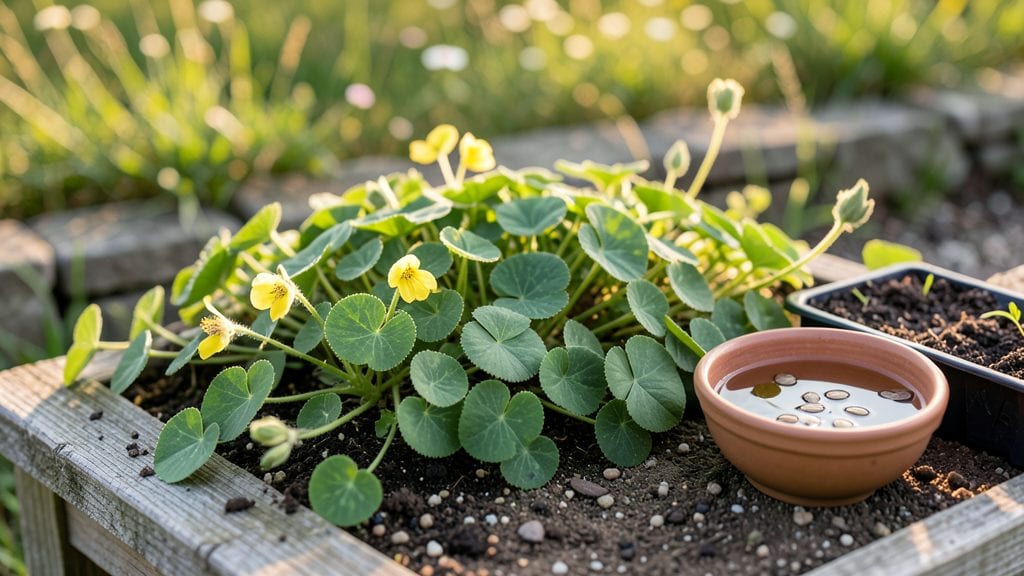
Floating seeds are often unviable because they lack the density or internal structure needed to absorb water and germinate, signaling poor development or physical damage. This simple water test helps gardeners quickly identify which seeds are worth planting.
This happens because viable seeds are packed with moisture-rich endosperm or dense embryos that give them enough weight to sink.
When a seed floats, it usually means its internal structures—like the embryo or food reserves—have degraded or never fully developed. 🌱 For example, a seed with hollow cavities or low moisture content will bob on the surface, while healthy seeds settle to the bottom within seconds.
The float test is especially useful for gardeners dealing with older seed batches or those stored in less-than-ideal conditions.
Even after a seed sinks, it’s wise to double-check its viability, as some seeds (like certain beans) may sink but still fail to sprout. That’s why I recommend pairing the float test with a paper towel germination check for critical projects.
💡 In This Article
- The Science Behind Why Floating Seeds Fail
- Alternative Viability Tests for Seeds
The science behind why floating seeds fail
Here's what's actually happening when a seed floats: viable seeds contain dense, moisture-rich tissues like the endosperm (food reserve) or a fully developed embryo, which give them enough mass to displace water and sink.
A seed's density typically ranges from 0.9-1.2 grams per cubic centimeter—similar to water's density—so even slight variations cause it to float. When seeds float, it usually means their internal structures have dehydrated or collapsed, creating air pockets that reduce their overall weight. 🔥
The key factor is the seed's moisture content. Healthy seeds maintain 10-20% moisture by weight, which keeps their cells turgid and their structures intact. Once moisture drops below 8%, seeds become brittle and hollow, causing them to float.
For example, a sunflower seed with 15% moisture will sink, while one with only 5% moisture will bob—even if it looks visually identical. The float test exploits this principle by immersing seeds in water to quickly identify which ones lack the proper density for germination.
What most people don't realize is that the float test also reveals physical damage or poor development. Seeds with cracked shells or hollow cavities (often from pests or improper storage) trap air and float despite having some viable tissue.
Even if a seed sinks, its embryo might be damaged—this is why I always recommend pairing the float test with a paper towel germination check for critical seeds like heirloom tomatoes or rare varieties.
The contrast between floating and sinking seeds becomes especially clear when comparing bean seeds (which often sink but may still fail) versus tomato seeds (which almost always float if unviable).
This works because water displacement follows Archimedes' principle: an object floats if it's less dense than the fluid it's placed in. Seeds that sink displace their own weight in water, while floaters displace less. The difference isn't just about weight—it's about internal integrity.
A seed with a degraded embryo might weigh enough to sink but lack the metabolic energy to sprout. That's why some gardeners perform a cut test on sunk seeds: slicing them open to check for a firm, white embryo versus a shriveled or discolored one. 💫
Consider these key biological reasons why seeds float and fail:
- Dehydration: Moisture loss below 8% causes cellular collapse, creating air pockets
- Hollow cavities: Pest damage or poor storage creates internal voids (e.g., 1-2mm air pockets in bean seeds)
- Embryo degradation: The seed's growth center may be dead or non-functional despite the seed coat appearing intact
- Shell damage: Cracks or weak spots trap air, reducing overall density
In contrast, sinking seeds typically have intact endosperm (in monocots like corn) or well-developed cotyledons (in dicots like beans), which provide both weight and nutritional reserves. The float test's accuracy improves with larger seeds—like peas or pumpkin seeds—where density differences are more pronounced.
For tiny seeds (e.g., carrot or lettuce), the test becomes less reliable because their natural buoyancy masks internal issues. That's why I always recommend using the float test as a first-pass filter rather than a definitive verdict. 🌱