Vegetables
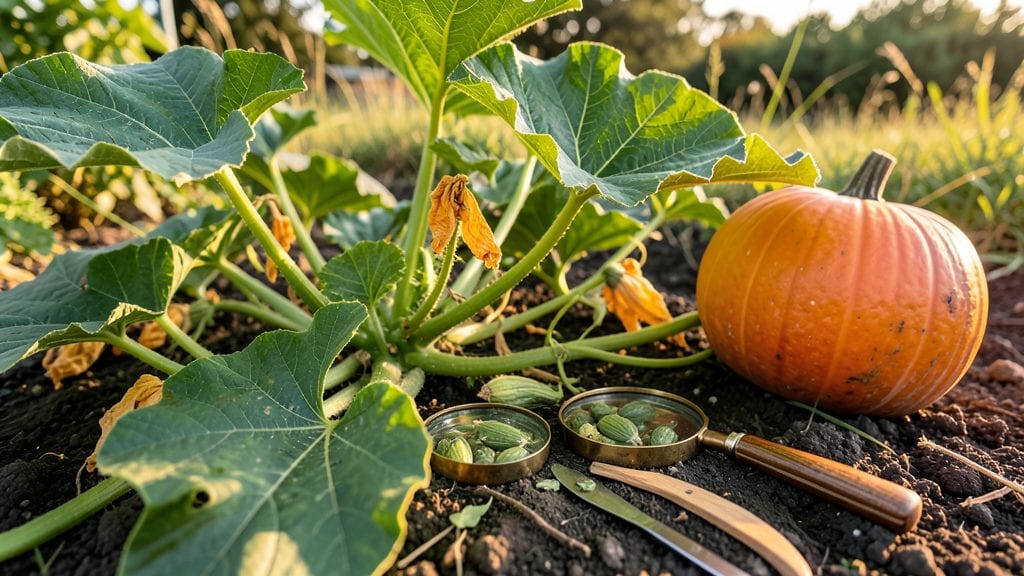
Some pumpkin seeds appear green because chlorophyll doesn’t fully break down during seed maturation, often caused by harvesting too early or genetic differences in the pumpkin variety. This happens frequently in heirloom or organic pumpkins and doesn’t change their flavor or nutritional value.
That green tint isn’t a flaw—it’s a sign of the pumpkin’s natural biology. 🌱 When pumpkins are picked before full ripeness, the seeds retain chlorophyll, which gives them that vibrant green hue. Even some heirloom varieties naturally produce green seeds due to their genetic makeup.
The good news? Whether your seeds are green, white, or somewhere in between, they’ll roast just as delicious and pack the same protein and magnesium punch.
If you’re growing pumpkins and want to avoid green seeds, aim for full maturity—look for a hard rind and a stem that’s completely dry and brown. Storing pumpkins in a cool, dry place after harvest also helps prevent premature chlorophyll breakdown.
For gardeners, selecting varieties known for consistent seed colors can save you from surprises at harvest time.
💡 In This Article
- Chlorophyll and Seed Maturity: The Science of Green Pumpkin Seeds
- Harvesting Tips to Avoid Green Seeds in Pumpkins
Chlorophyll and seed maturity: the science of green pumpkin seeds
Here's what's actually happening inside those pumpkin seeds: chlorophyll, the green pigment responsible for photosynthesis in plants, normally breaks down as seeds mature. But when pumpkins are harvested too early—before the seeds reach full maturity—the chlorophyll degradation process gets interrupted.
This leaves traces of the pigment behind, giving seeds that distinctive green tint. The biochemical process involves enzymes called chlorophyllases that gradually break down chlorophyll into colorless byproducts, but these enzymes need time to work their magic.
The role of light exposure can't be overstated. Pumpkins left on the vine longer absorb more sunlight, which triggers the production of ethylene gas—a natural plant hormone that signals maturity. Ethylene accelerates chlorophyll breakdown, ensuring seeds turn their typical white or cream color.
In contrast, pumpkins harvested in low-light conditions or during cooler weather may retain more chlorophyll. For example, organic or heirloom pumpkins often grow in less controlled environments, leading to more variability in seed color. 💫
Genetic factors also play a crucial role in seed color variations. Some pumpkin cultivars, particularly heirloom varieties like 'Cinderella' or 'Jack Be Little', naturally produce seeds with higher chlorophyll content due to their genetic makeup. These varieties may have slower chlorophyll degradation rates or different enzyme activity levels.
Even within the same pumpkin, you might find seeds with varying degrees of greenness—a reminder that nature doesn't always follow a strict rulebook.
What most people don't realize is that this green color doesn't just happen randomly—it's a direct result of the plant's developmental stage.
The seeds themselves contain all the genetic information needed to grow into a new pumpkin plant, and their color is just one visible marker of how far along that process has progressed.
For instance, seeds from a pumpkin harvested at 80-90 days after flowering may still show green, while those from a fully mature pumpkin (typically 100-120 days) will have lost most of their chlorophyll.
Interestingly, the green color doesn't affect the seeds' nutritional profile. They still contain the same protein, magnesium, and healthy fats as their white counterparts. The only difference is visual—though some people find the green seeds more visually appealing, while others prefer the classic white.
This variation actually adds character to heirloom pumpkin varieties, making each harvest unique. 🌱
For those curious about the science behind it, think of chlorophyll in seeds like a car's brake lights—when the plant is still "moving" (growing), the lights stay on (green color). Only when the plant reaches its final destination (full maturity) do those lights turn off (chlorophyll breaks down).
The same principle applies to pumpkin seeds, where maturity determines whether they'll be green or their traditional color.