Picking
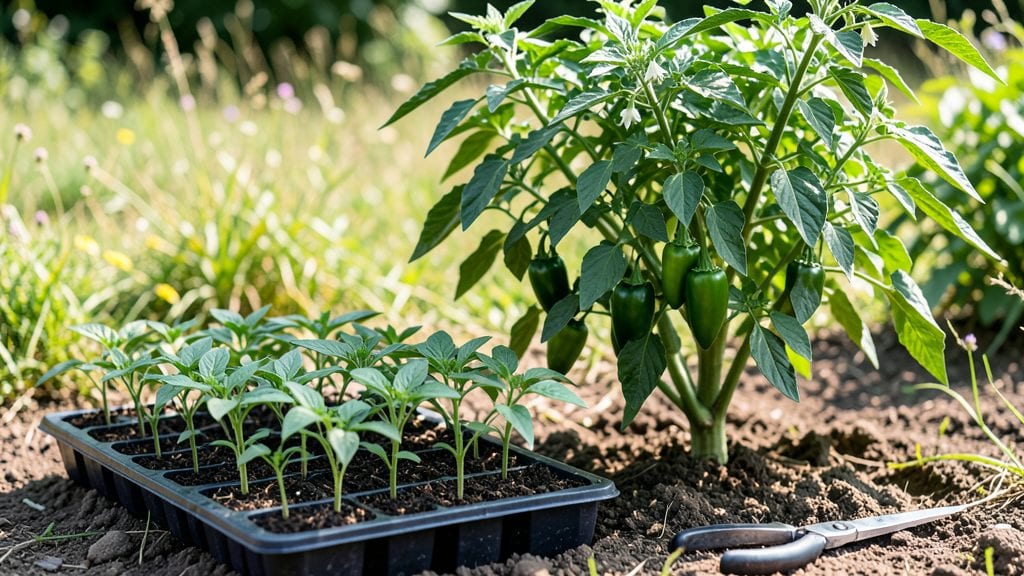
Seeding jalapeno peppers starts with the right timing and a simple setup that keeps things foolproof. I’ve grown dozens of varieties, and these fiery little seeds are the easiest to germinate once you know the tricks—like keeping the soil warm and moist without drowning the tiny sprouts.
The first green shoots appear in just 7 days, and that moment of success makes all the prep worth it.
You’ll need seed-starting mix, small pots or a tray, and a heat mat or sunny windowsill—no fancy equipment required. Most beginners overwater or bury seeds too deep, but peppers hate soggy soil and need light to reach them.
A ¼-inch depth and bottom-watering method keeps things consistent, and a clear plastic dome traps warmth for faster germination.
Once those first leaves unfurl, you’ll be hooked on the thrill of watching them grow into sturdy plants. With 12+ hours of sunlight daily and careful watering, your seedlings will stay strong and ready for transplanting in 6-8 weeks.
The payoff? A harvest of homegrown peppers that pack real heat and taste nothing like store-bought.
This method works for any pepper variety, whether you’re growing in a greenhouse, on a sunny patio, or even under grow lights. The key is patience—peppers take their time, but the results are worth every week of waiting. Ready to get started?
📚 In This Guide
- What you need
- Instructions
- Tips and common mistakes
- Wrapping up and next steps
What you need
- ● Jalapeño seeds: 5–10 seeds (or 1–2 seed packets for bulk growing). Choose organic, non-GMO seeds if possible for best results.
- ● Seed-starting mix: 1–2 cups of sterile, seedling-specific soil (avoid garden soil—it’s too dense!). Look for labels like "peat-based" or "coco coir blend."
- ● Seed trays or small pots: 2–4 biodegradable or 2–3" plastic cell trays (one per seed works, but cells save space!).
- ● Spray bottle: A 16–20 oz. fine-mist sprayer (for gentle watering—no drowning seeds!).
- ● Plastic wrap or humidity dome: A sheet of plastic wrap or a clear lid to create a mini greenhouse effect.
- ● Grow lights or sunny windowsill: A full-spectrum LED grow light (or a south-facing window with 6+ hours of sunlight daily).
- ● Heating mat: A seedling heat mat (70–80°F) to speed up germination (especially in cooler climates).
- ● Fertilizer: A balanced, water-soluble fertilizer (5-5-5 or 10-10-10) diluted to half-strength for seedlings.
- ● Labels & markers: To track planting dates and varieties (trust us, you’ll thank yourself later!).
- ● Tweezers: For delicate seed placement (no more squinting or messy fingers!).
Step-by-step instructions for seeding jalapeno peppers
Here's how to get your jalapeno seeds sprouting reliably in just a week.
Prepare Containers and Seed Starting Mix
Use the 4 small seed trays you've gathered, each with drainage holes. Fill them with the 2 gallons of seed-starting mix, leaving about ½ inch of space at the top. This mix stays light and airy—perfect for tender pepper seedlings. Press it down gently with your fingers so it's firm but not packed. You want the soil to hold moisture without becoming soggy, which can suffocate seeds.
I like to tap the trays lightly on the table to settle the mix evenly. This prevents air pockets that could delay germination. If the mix feels dry, sprinkle just enough water to moisten it thoroughly. The soil should hold together when squeezed but not drip water. Avoid overwatering now—pepper seeds need consistent moisture, not saturation.
Plant the Seeds at the Right Depth
Sow 4 seeds per cell in the trays, spacing them about ½ inch apart. Jalapeno seeds are small, so I use a toothpick to create tiny holes—just deep enough to hold a seed. Planting too deep (more than ¼ inch) slows germination because the seedling struggles to reach the surface. Cover each seed lightly with a sprinkle of the same mix, just enough to hide it completely.
After planting, mist the surface with a spray bottle until the soil looks evenly damp. Avoid heavy watering, which can wash seeds deeper or disrupt their placement. I label each tray with the date and variety—trust me, you'll forget which tray you planted first after a week of identical green sprouts. Place the trays in a warm spot, ideally between 75-85°F, to encourage quick germination.
Provide Warmth and Consistent Moisture
Cover the trays with a humidity dome or plastic wrap to trap warmth and moisture. Jalapenos germinate fastest in these conditions, and you'll see sprouts in 5-7 days. Place the trays on a seedling heat mat set to 75°F—this keeps the soil warm and speeds up germination. Without heat, seeds may take twice as long or fail entirely.
Check the trays daily but resist the urge to water. The dome traps enough moisture that the soil stays damp without intervention. Once 50% of the seeds have sprouted, remove the dome immediately. Leaving it on too long creates a damp, humid environment that invites damping-off disease, which causes seedlings to collapse overnight. You'll know it's time when you see the first green shoots pushing through the soil.
Move Seedlings to Light Immediately
The moment you see the first true leaves (not the initial cotyledons), remove the trays from the heat mat and place them under grow lights or in a south-facing window. Jalapeno seedlings need 14-16 hours of light daily to grow strong and compact. If you notice the stems stretching toward the light or turning pale, your light source is too far away—adjust it to within 2-4 inches of the seedlings.
Strong seedlings have thick stems, deep green leaves, and compact spacing between leaves. Weak seedlings look leggy, with long stems and widely spaced leaves. Rotate the trays a quarter turn daily so the plants grow straight and don’t lean toward the light. Without enough light, seedlings become weak and struggle to support fruit later in the season.
Thin Seedlings and Prepare for Transplanting
Once the seedlings have 2-3 sets of true leaves, thin them to the strongest plant per cell. Use scissors to snip the weaker seedlings at soil level—this prevents disturbing the roots of the plants you’re keeping. Jalapenos don’t like being crowded, so thinning early ensures they have enough space to grow strong roots and foliage.
Hardening off begins 2 weeks before your last frost date. Start by placing the trays outside in a sheltered, shaded spot for 1-2 hours the first day. Gradually increase outdoor time by 1 hour daily, slowly introducing more sun and wind. By the end of the two weeks, the seedlings should tolerate a full day outside without wilting. This prepares them for transplanting into the garden or larger pots.
Tips & tricks for perfect jalapeno pepper germination
These simple strategies will help you avoid common pitfalls and ensure your jalapeno seeds sprout reliably within that promised week.
Soil Preparation Secret: The key to successful germination lies in that seed-starting mix's texture. After filling your 4 small seed trays with 2 gallons of mix, give it a final press with your fingers until it feels like a damp sponge—not wet, not dry. This creates the perfect balance of moisture retention and aeration that jalapeno seeds crave. I've learned the hard way that even slight compaction differences can delay germination by 2-3 days, so take this step seriously.
Planting Depth Matters: When sowing your 4 seeds per cell, remember that quarter-inch depth is critical. Anything deeper than that creates a struggle for the seedling to reach the surface, potentially doubling your germination time. I use a toothpick to make precise holes—just deep enough to cradle the seed. After covering, give the soil a light mist until it looks like a damp sponge again. This ensures consistent moisture without disturbing the seeds' placement.
Warmth Acceleration: That 75°F heat mat makes all the difference for jalapenos. Without it, seeds may take twice as long to sprout. Place your trays directly on the mat and maintain that temperature consistently—fluctuations can shock the seeds. I've seen germination times stretch to 10-14 days when heat wasn't properly maintained. The moment you see those first green shoots, remove the dome immediately to prevent damping-off disease, which can wipe out your seedlings overnight.
Light Transition Strategy: When moving seedlings to light in Step 4, pay attention to that 2-4 inch distance from grow lights. I've found that 3 inches works best for my setup—close enough for strong growth but far enough to prevent overheating. Rotate trays daily to ensure even growth, and watch for those telltale signs of leggy seedlings (long stems, pale leaves) which mean your light source needs adjusting or you need to increase light hours to that 14-16 hour daily requirement.
Pro Tips for Seeding Jalapeno Peppers
- These simple strategies will help you avoid common pitfalls and ensure your jalapeno seeds sprout reliably within that promised week.
- Soil Preparation Secret: The key to successful germination lies in that seed-starting mix's texture.
- Planting Depth Matters: When sowing your 4 seeds per cell, remember that quarter-inch depth is critical.
Frequently asked questions
Got questions about seeding jalapeño peppers?
You’re not alone! Here are answers to the most common queries to help you grow fiery, flavorful peppers with confidence.
When is the best time to start jalapeño seeds indoors?
Start seeds 8–10 weeks before your last frost date. For most climates, this means late winter (February–March). Jalapeños thrive in warm soil (70–85°F), so use a heat mat if needed. If you’re in a short-season zone, consider transplanting seedlings outdoors only after soil temps hit at least 60°F.
How long do jalapeño seeds take to germinate?
With proper warmth (75–85°F) and moisture, seeds typically sprout in 7–14 days. Use a seedling heat mat to speed up germination—some growers see sprouts in just 5–7 days! If nothing emerges after 2 weeks, gently recheck moisture and warmth levels.
Can I direct-sow jalapeño seeds outdoors instead of starting indoors?
Yes! Direct-sow after all frost risk has passed and soil is warm (60°F+). Plant seeds ½ inch deep in well-draining soil, spacing them 18–24 inches apart. Use row covers to protect young seedlings from pests and cold snaps. This method works best in longer growing seasons (zones 8+).
Why aren’t my jalapeño seeds sprouting? Troubleshooting tips.
Check these common issues:
- Too cold: Seeds need warmth to germinate—try a heat mat or move pots to a sunny windowsill.
- Dampness issues: Overwatering can rot seeds; keep soil moist but not soggy.
- Old seeds: Jalapeño seeds lose viability after 1–2 years. Test a few in a damp paper towel to confirm viability.
- Poor soil contact: Press seeds lightly into soil to ensure they make contact with moisture.
How do I know if my jalapeño seedlings are healthy?
Healthy seedlings have:
- Sturdy stems (not leggy or weak).
- First true leaves (not just the initial seed leaves).
- No yellowing or wilting (a sign of over/underwatering or pests).
Wrapping up and next steps
Seeding jalapeño peppers is a rewarding journey that turns a tiny seed into a fiery harvest in just 7 days! With the right materials—like quality seeds, a cozy germination setup, and a dash of patience—you’ll be well on your way to growing your own spicy gems.
Remember, consistency is key, whether you’re keeping those seeds warm or monitoring moisture.
Now that you’re armed with tips and tricks, take the next step! Grab your supplies, follow the steps, and watch those seeds sprout like magic. 🌱 Before you know it, you’ll be enjoying homegrown jalapeños in your favorite dishes—one tiny seed at a time!