Propagation
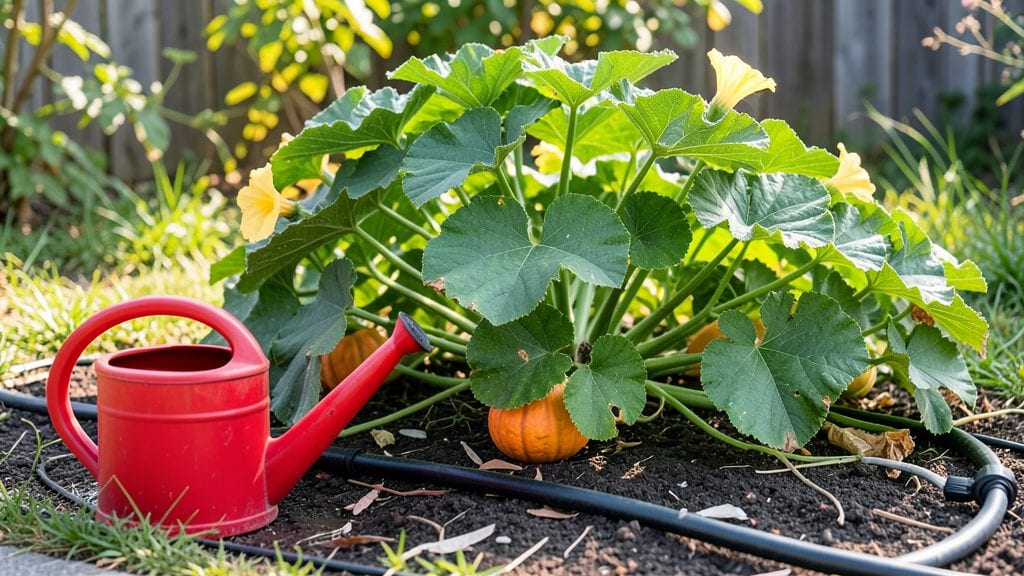
Watering pumpkin seeds properly is the game-changer between a wilted seedling and a thriving 🎃 vine.
Struggling to get your pumpkin seeds to sprout consistently? The secret isn’t just in the soil—it’s in the precise watering routine that transforms flimsy sprouts into sturdy, thriving plants.
Too much water drowns them, too little stunts growth, and timing matters more than most gardeners realize. In USDA Zone 6a, where spring planting runs from April 15 to May 15, maintaining the right moisture balance is critical.
Here’s exactly how to keep your pumpkin seeds hydrated without overdoing it—plus how to spot the signs of trouble before they become permanent setbacks.
Optimal watering schedule for pumpkin seeds before germination
Getting your pumpkin seeds to sprout reliably starts with mastering the moisture balance during germination. Unlike mature plants, seeds need a consistently damp (not soggy) environment to activate enzymes that break down stored nutrients.
Too little water stalls growth, while too much causes rot. The key is creating a microclimate where seeds stay hydrated without drowning.
Pumpkin seeds thrive when soil moisture hovers around 60-70% capacity—like a wrung-out sponge. This level keeps seeds hydrated while allowing oxygen to reach embryonic roots. Most gardeners overestimate how much water seeds need, leading to fungal diseases like damping-off.
I’ve learned the hard way that precision matters more than frequency when watering seeds.
Step-by-Step Pumpkin Seed Watering Guide
- Pre-Planting Prep: Mix seed-starting mix with perlite (20% perlite) to improve drainage. Fill trays to 1 inch below rim and water until moisture reaches ½ inch deep—test with your finger.
- Planting Depth: Press seeds 1 inch deep into soil, spacing them 2 inches apart. Gently firm soil around seeds to eliminate air pockets that trap moisture.
- Initial Watering: Mist soil surface with a spray bottle until it’s uniformly damp to ½ inch depth. Avoid overhead watering to prevent seed displacement.
- Daily Check: Use your finger to test moisture—top ½ inch should feel damp, while 1 inch deep should be slightly moist. If dry, water lightly; if soggy, pause and aerate with a fork.
- Humidity Boost: Cover trays with clear plastic wrap or a humidity dome to retain moisture. Remove daily for 10 minutes to prevent mold. Replace if condensation forms.
- Germination Stage: Once sprouts appear (5-10 days), reduce humidity but maintain consistent moisture. Water trays from below using a shallow dish to avoid disturbing seedlings.
💡 Pro Tip: Keep trays in a warm spot (70-90°F)—a seedling heat mat set to 80°F speeds germination by 30%.
Temperature plays a critical role in how seeds respond to water. At 60°F, germination slows dramatically, and seeds may rot before sprouting. I’ve seen seeds take 3 weeks to germinate in cool soil, while warm conditions (80°F) produce sprouts in 5 days.
Use a soil thermometer to monitor—ideal range is 70-90°F for pumpkins.
Signs of overwatering appear quickly: seeds turn mushy, mold forms on soil, or sprouts develop a black stem at the base (damping-off). Underwatered seeds stay hard and dry, while sprouts may emerge but wilt immediately.
The fix? Adjust your watering method—switch to a wick system or bottom-watering tray to maintain steady moisture without guesswork.
Light also affects water needs. Seeds germinating in low light (like a north window) require more frequent misting because they transpire less. In bright conditions, water evaporates faster, so I check moisture twice daily during hot afternoons.
A simple trick: Place trays on a white saucer to reflect light and reduce heat stress.
If you’re using peat-based mixes, they dry out faster than coco coir blends. I’ve found that coco coir holds moisture longer while improving aeration—perfect for pumpkin seeds. For peat mixes, water 10% more frequently to compensate. Always use room-temperature water; cold water shocks delicate seedlings.
Once sprouts reach 1 inch tall, reduce watering slightly to prevent root rot. At this stage, focus on keeping the soil evenly moist rather than saturated. I’ve had success using a moisture meter to track levels—aim for 50-60% moisture at 1 inch depth during this transition.
Seasonal adjustments matter too. In spring, cooler temps mean seeds need more frequent watering to stay hydrated. By summer, I water early morning to prevent evaporation and fungal growth. Always water at soil level—never overhead—to avoid washing away seeds or disturbing sprouts.
Remember: The goal is consistency, not excess. Pumpkin seeds need steady hydration to unlock their genetic potential. With the right watering routine, you’ll go from flimsy sprouts to robust seedlings ready for transplanting in just 2 weeks. 🌱
Common pumpkin seed watering mistakes and how to fix them
Even experienced gardeners accidentally drown or dehydrate pumpkin seeds, stalling germination. The key lies in maintaining consistent moisture without creating soggy conditions. Overwatering suffocates seeds by cutting off oxygen, while underwatering prevents them from absorbing enough hydration to sprout.
Both extremes leave you staring at dry, crinkly seed coats instead of sturdy seedlings.
Pumpkin seeds need gentle, frequent moisture—not a single heavy soak. Think of it like a damp sponge: always moist to the touch but never dripping. Most mistakes happen because we treat seeds like mature plants, forgetting they’re delicate embryos needing precise care.
Let’s diagnose the most common watering fails and how to reverse them before your seeds give up.
⚠️ Critical Watering Warning for Pumpkin Seeds
Never let seeds dry out completely—this triggers dormancy. Once seeds wrinkle or pull away from the soil, they’re often irrecoverable. Fix it: Cover containers with plastic wrap (poke holes for airflow) to lock in humidity while preventing rot.
Your first mistake might be overwatering from enthusiasm. Heavy-handed watering creates a waterlogged environment that blocks oxygen, leading to mold or rotting seeds. If your soil feels like a wrung-out sponge or has a musty smell, you’ve gone too far.
The fix? Let the top inch dry slightly between waterings, and always use a tray to catch excess water. Pumpkin seeds hate soggy feet—literally.
On the flip side, underwatering happens when you check moisture too late. Seeds need daily misting (not soaking) until sprouts appear. If you’ve been watering every few days, your seeds may have entered a survival mode, waiting for better conditions.
Test soil moisture by poking a finger in—it should feel like a damp washcloth, not sand. For stubborn cases, place the container in a shallow tray of water for 10 minutes to rehydrate gently.
Inconsistent watering—like alternating between drought and deluge—confuses seeds and weakens their root systems. This moisture whiplash causes uneven sprouting, where some seeds pop up while others rot. To stabilize conditions, use a moisture meter or stick your finger in daily.
If the soil feels uneven (dry in spots, wet in others), redistribute moisture with a spray bottle until uniform.
Seasonal shifts also trip up gardeners. In hot summer months, pumpkin seeds dry out faster, requiring morning watering to prevent evaporation. During cooler spring starts, reduce frequency to every other day.
Always adjust based on your microclimate—shady spots stay moist longer, while sunny areas dry quicker. Pro tip: Mulch with straw to slow moisture loss and keep roots happy.
When all else fails, start fresh. If your seeds show signs of distress (blackened spots, mold, or no sprouts after 10 days), don’t hesitate to replant. Use fresh seeds, sterilized soil, and a clear watering schedule.
Remember, pumpkin seeds are resilient—give them the right conditions, and they’ll reward you with vigorous vines and bountiful harvests. 🎃